
Last updated October 15, 2026
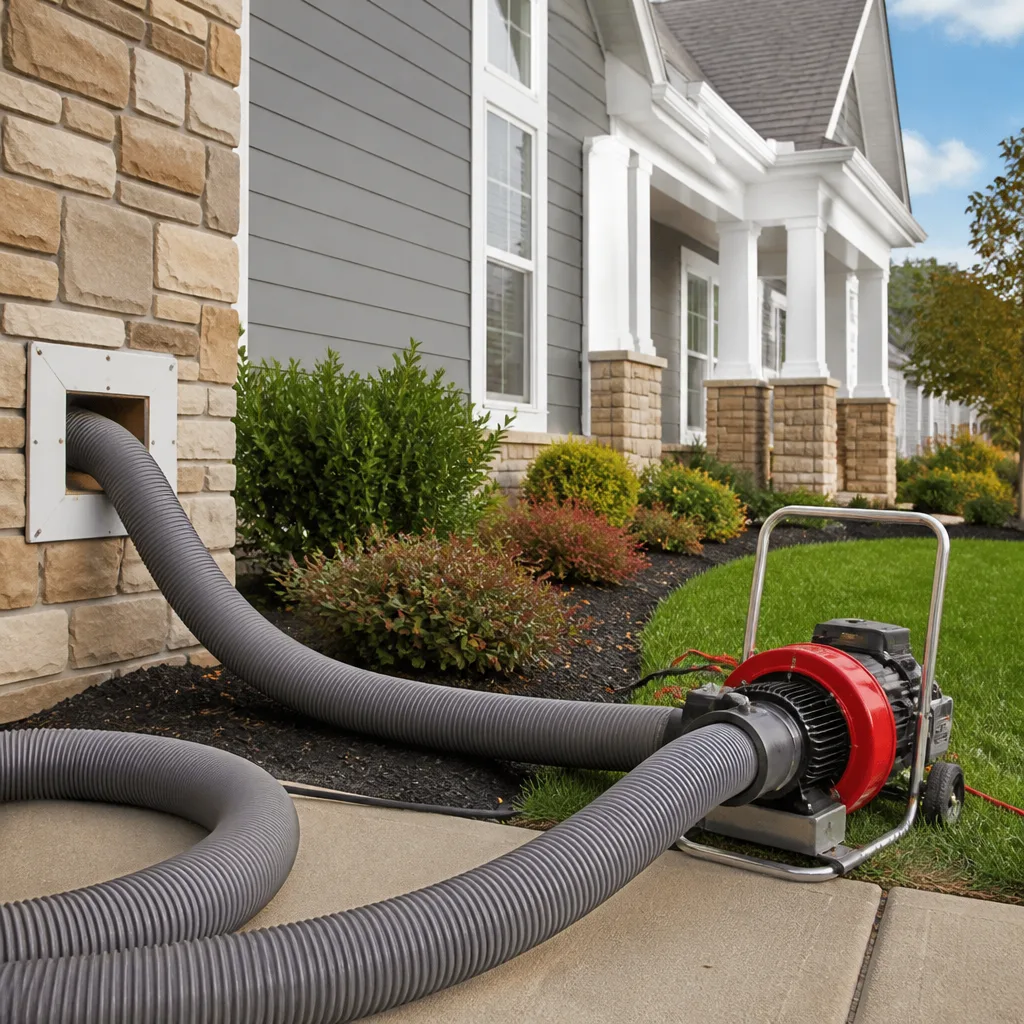 Whole-home duct cleaning
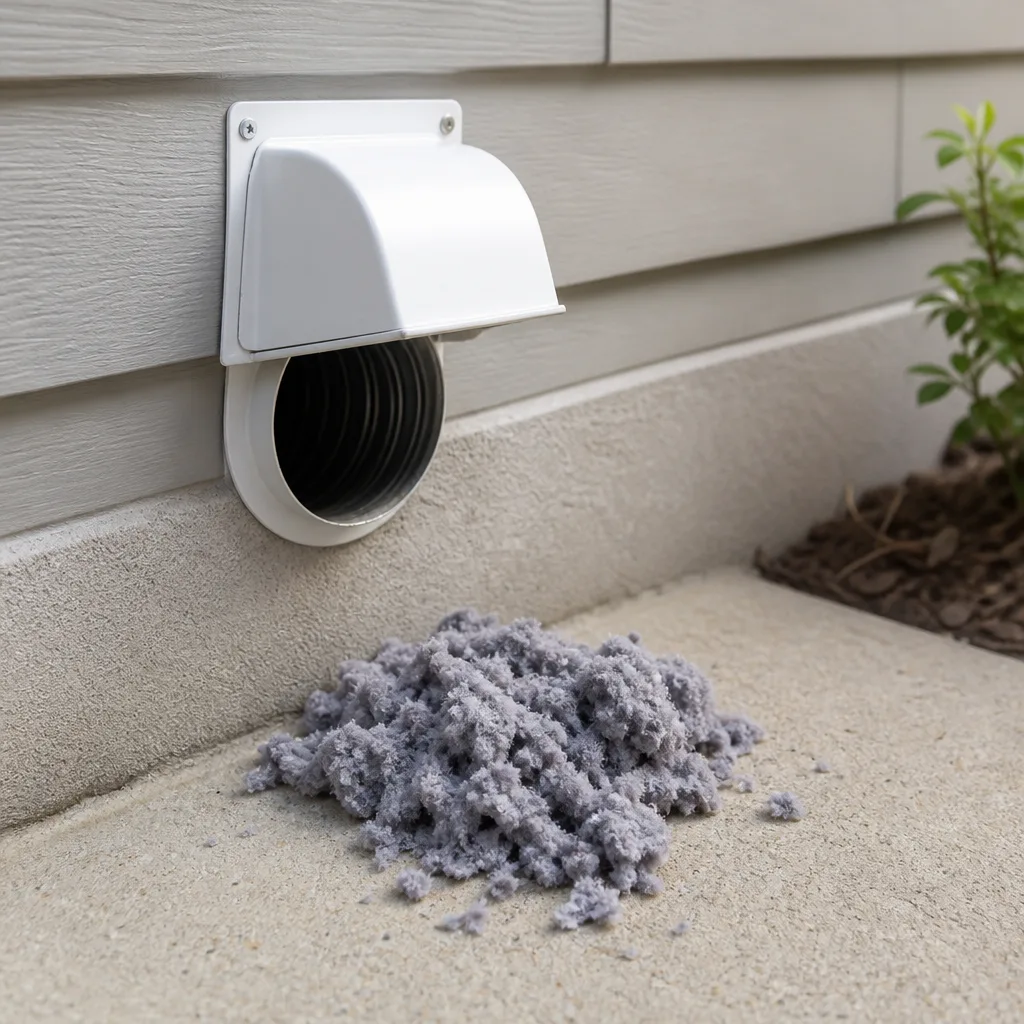 Dryer vent cleaning
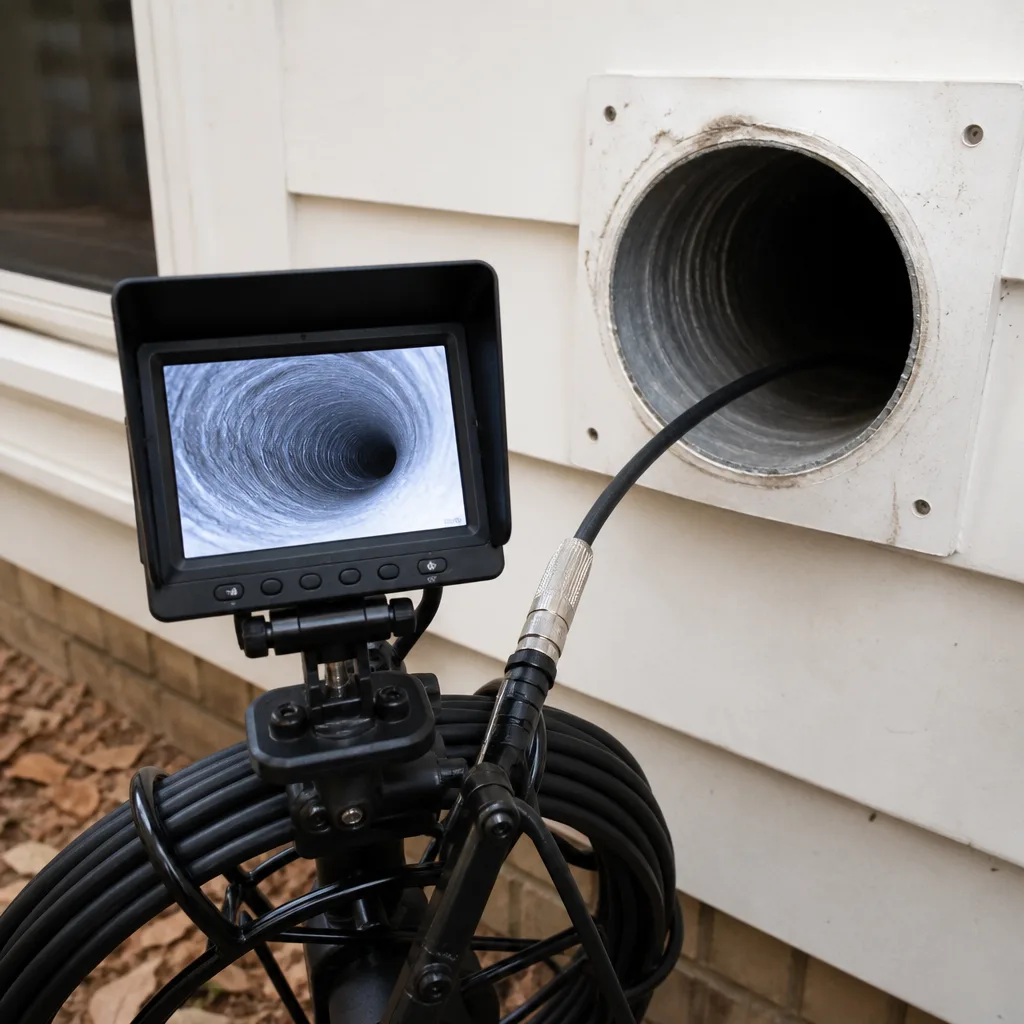 Camera inspection
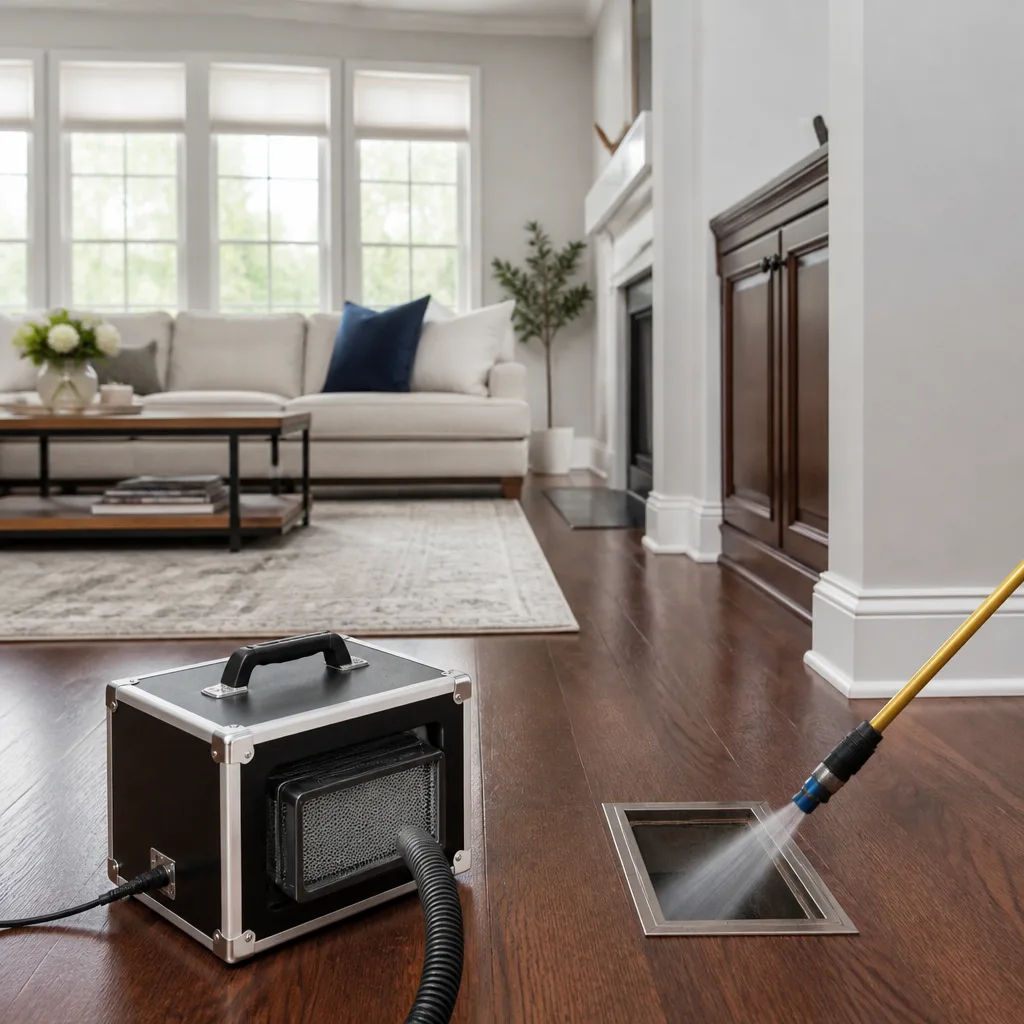 Sanitizing & deodorizing
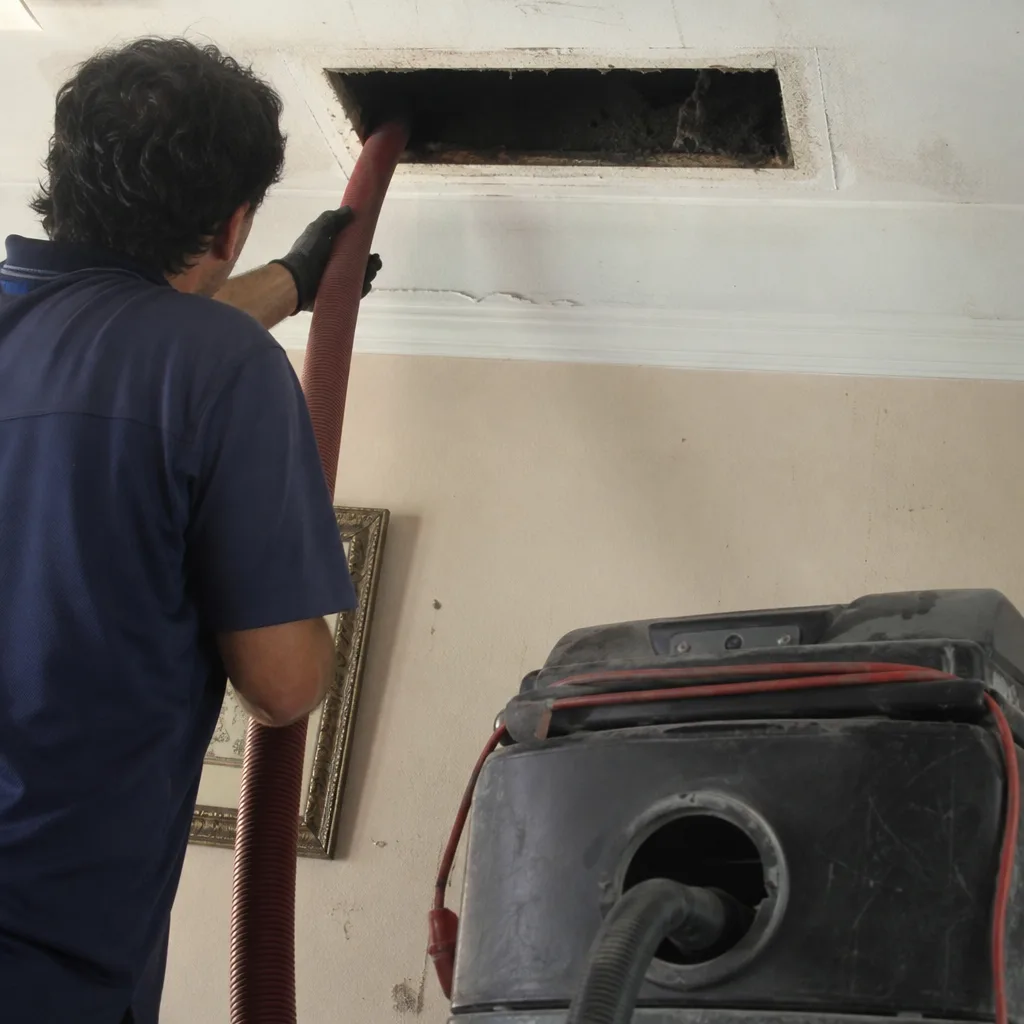
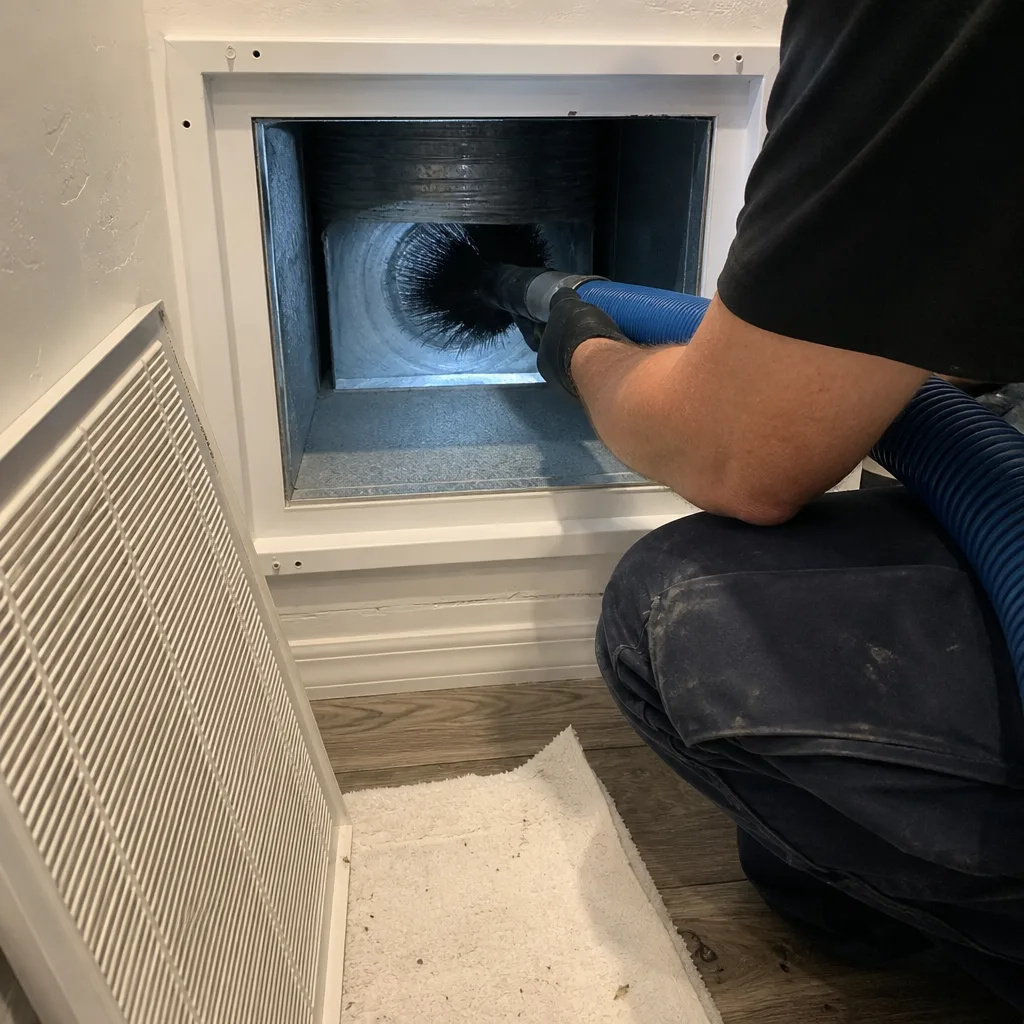
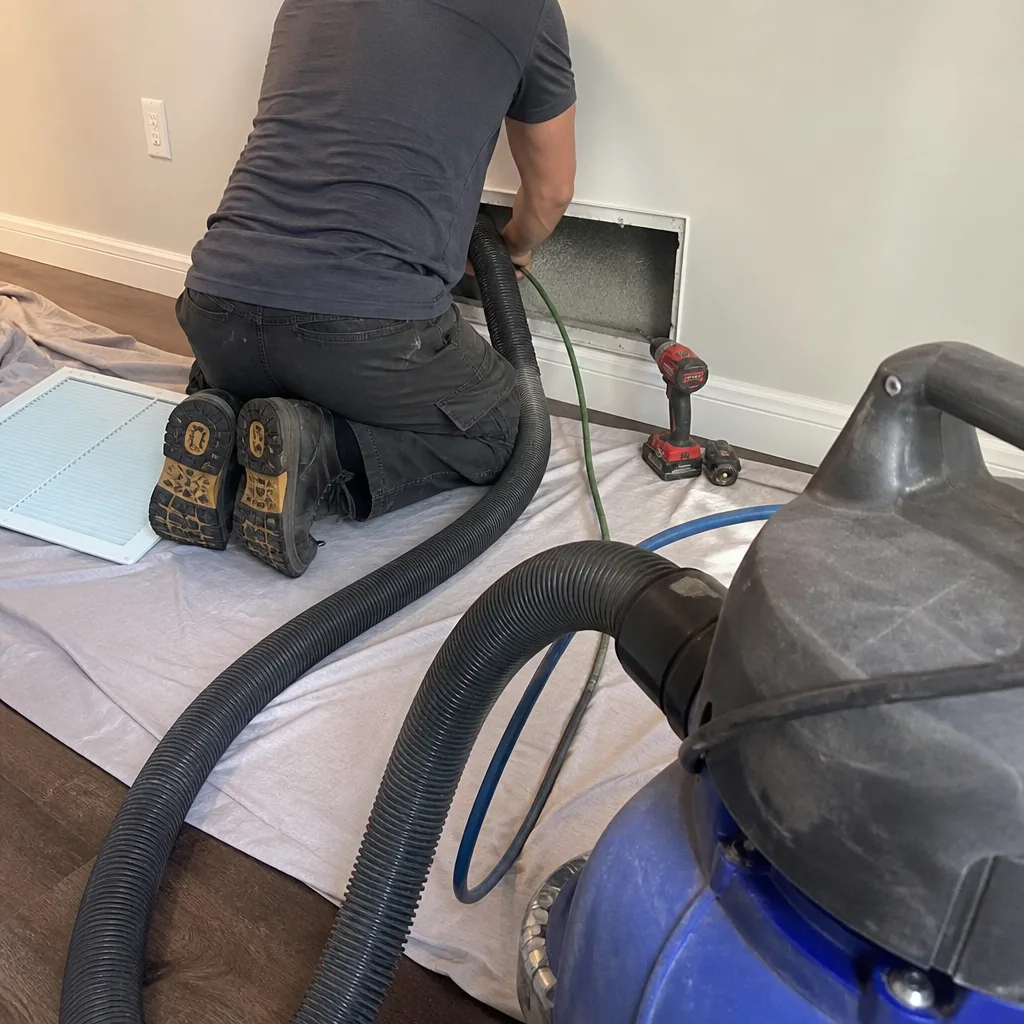
Whole-system duct and dryer vent check with before-and-after photos - you see exactly what came out of your vents
That "$99 whole-house special" is a bait ad - the real number appears once they are in your hallway, or the "clean" is a shop-vac at the register. We photograph the inside of your ducts before and after instead.
How to Hire a Air Duct Cleaning Contractor in Orlando: A Step-by-Step Guide
Florida does not require a state license to clean air ducts. Let that sink in for a second. Any person with a van, a portable shop vac, and a printed flyer can legally advertise duct cleaning in Orlando today. There is no state exam, no mandatory training, no regulatory body checking whether the person entering your home knows the difference between a supply duct and a return plenum. That means the hiring process is almost entirely on you, the homeowner. This guide decodes the vetting process with the specificity of someone who has seen the scam playbook play out across Orange County, from Dr. Phillips to Winter Park to Lake Nona, and complements our Air Duct Cleaning services. You will learn the four phone questions that separate real operators from bait-and-switch companies, what a legitimate pre-job walkthrough actually looks like, and what your written invoice must contain to protect you if a dispute arises.
Quick Answer
To hire an air duct cleaning contractor in Orlando, verify that the company uses professional-grade equipment (rotary brush systems and HEPA filtration, not a shop vac), requires a written price before any work starts, and offers a written guarantee on the work. Ask four specific questions on the phone: how they price (per vent vs. whole system), what equipment they use, whether they provide before-and-after photo documentation, and what their satisfaction window covers. A legitimate Orlando contractor will walk through your home with an inspection camera before quoting, while a bait-and-switch operator will quote a suspiciously low price over the phone and escalate it once the technician is inside.
Styles & brands we work with
Table of Contents
- Why Orlando Has No Mandatory Duct Cleaning License (And Why That Matters)
- Step 1: The Four Phone Questions That Expose Bait-and-Switch Operators
- Step 2: Decoding NADCA, ACR, and Equipment Brands (What Credentials Actually Reveal)
- Step 3: What a Legitimate Pre-Job Walkthrough Looks Like
- Step 4: The Written Invoice Checklist (What Must Be on Paper Before Work Starts)
- Step 5: Red Flags and Green Flags – A Side-by-Side Comparison
- The $49 Whole House Special: Anatomy of the Scam
- Orlando-Specific Factors: Climate, Construction, and What They Mean for Your Ducts
Why Orlando Has No Mandatory Duct Cleaning License (And Why That Matters)
The State of Florida does not require a specific license for air duct cleaning. Unlike HVAC contractors, who must hold a Florida state mechanical license to install or repair heating and cooling systems, duct cleaners operate in a regulatory gray zone. Some companies in Orlando pair duct cleaning with HVAC work and hold those mechanical licenses. Others have no credential at all beyond a business tax receipt from the City of Orlando or Orange County.
This absence of licensing shifts the entire burden of verification onto you. A general contractor’s license does not mean the holder is trained in duct cleaning. A handyman registration does not mean the holder understands static pressure, airflow dynamics, or the difference between cleaning a duct and damaging it. When we say the vetting process does the work the state will not, we mean it literally. You are the licensing board now.
This is also why credentials like NADCA membership carry weight in Orlando. NADCA (the National Air Duct Cleaners Association) sets industry standards for source removal cleaning, and its Air System Cleaning Specialist (ASCS) certification requires classroom training, passing a written exam, and documented field hours. When an Orlando company holds NADCA certification, it means a third party has verified at least some level of technical knowledge. It is not a government license, but it is the closest thing the industry has to one.
Step 1: The Four Phone Questions That Expose Bait-and-Switch Operators
The phone call is where most duct cleaning scams in Orlando either succeed or collapse. A bait-and-switch company wants to get a technician to your door as quickly as possible with a low teaser price. A legitimate company wants to give you an honest range and a clear picture of what the job involves. These four questions separate the two within the first ninety seconds.
Question 1: Do you price per vent or per whole system?
A flat per-vent price is the classic bait-and-switch mechanism. The company quotes $12 per vent, tells you a typical Orlando home has “around 10 vents,” and the math sounds reasonable. Then the technician arrives, counts 24 vents plus two returns plus the main trunk line, and suddenly the “whole house special” is $400 and climbing. A legitimate Orlando duct cleaning company prices the entire system as one job. At Cardinal Air Duct Orlando, most standard whole-home air duct cleanings run $350 to $550 depending on home size and system complexity, and that price is written down before any work begins. If the person on the phone refuses to give you a firm whole-system price and insists on per-vent arithmetic, hang up.
Question 2: What equipment do you use?
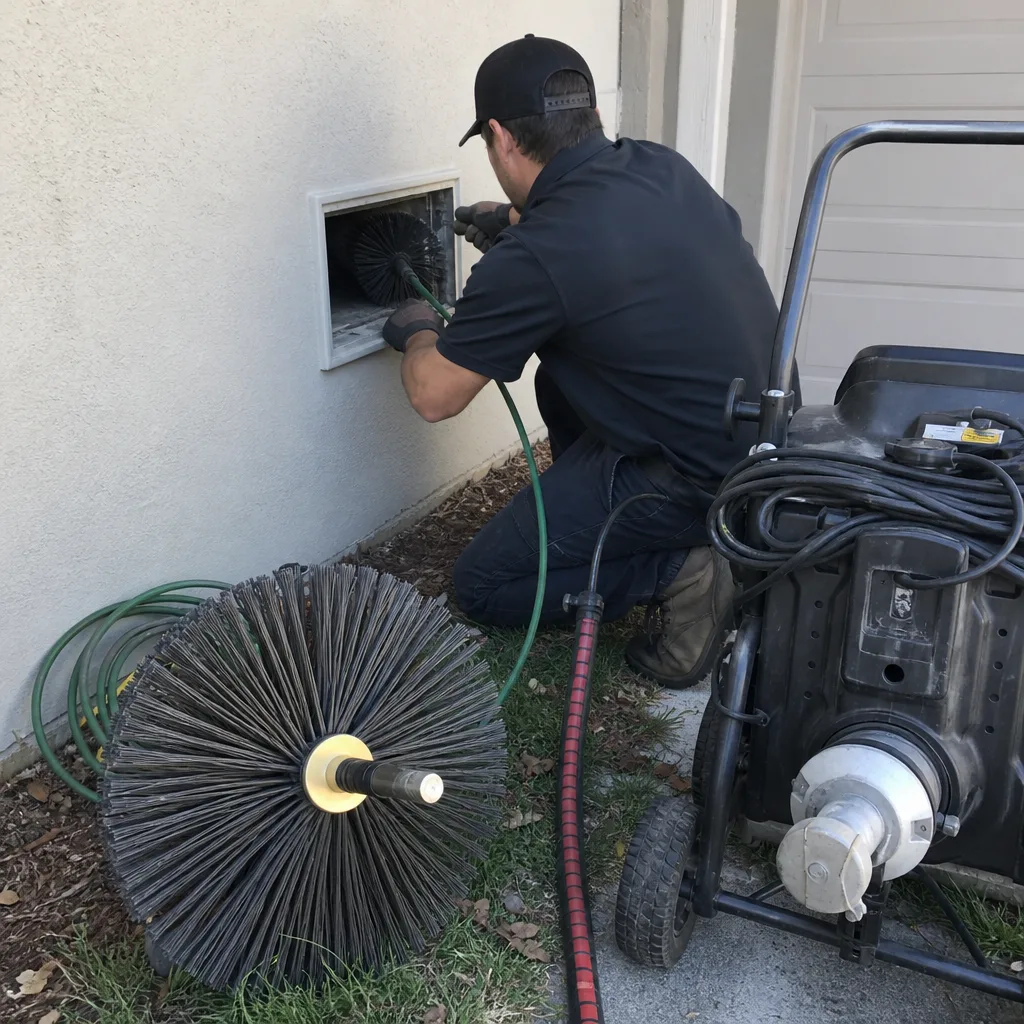
Listen for specifics. A real operator will name equipment: Rotobrush rotary brush systems, Nikro HEPA-filtered vacuums, Abatement Technologies containment units. A bait-and-switch operator will say something vague like “industrial vacuums” or “professional truck-mounted machines.” The difference matters. Rotary brush systems physically agitate the dust and debris caked onto duct walls, while HEPA-filtered negative-pressure extraction pulls loosened particles into a sealed vacuum rather than blowing them through your living room. A shop vac taped to a floor register does neither. In our experience cleaning ducts across Orlando, we have seen homes where a previous “cleaning” was performed with what could charitably be called a garage vacuum and a prayer. The homeowner paid twice: once for the ineffective cleaning, and again for us to do it properly.
Question 3: Do you provide before-and-after photo documentation of the work?
This question exposes more than you might think. A company that says yes has a process for accountability. A company that hesitates, deflects, or says “you’ll just have to take our word for it” is telling you something important about how they operate. Every job at Cardinal includes before-and-after photos of the actual duct interior, provided through a phone-native digital invoice. You see the condition of your ducts before we start and after we finish. If a contractor will not commit to photo proof, ask yourself why.
Question 4: What does your satisfaction guarantee cover, and how long does it last?
“We guarantee you’ll be happy” is not a guarantee. A real guarantee has a specific duration and specific terms in writing. The 365-Day Done Right Promise at Cardinal Air Duct Orlando covers every job for a full year: if the work is not done right within 365 days, we return and correct it at no charge. No fine print, no exclusions for certain services. When you ask this question of another Orlando contractor, listen for specificity. If they cannot tell you exactly what the guarantee covers and exactly how long it lasts, you are negotiating with a company that does not plan to answer the phone after the invoice clears.
Step 2: Decoding NADCA, ACR, and Equipment Brands (What Credentials Actually Reveal)
Credentials matter in an unlicensed industry, but only if you understand what they actually mean. NADCA, or the National Air Duct Cleaners Association, is the primary trade organization for duct cleaning professionals. Membership is not automatic. NADCA member companies are expected to follow the ACR standard: Assessment, Cleaning, and Restoration. That is a three-phase process. The Assessment phase involves inspecting the system before cleaning to identify the type and extent of contamination, plus the condition of the ducts themselves. The Cleaning phase uses source removal methods, meaning the debris is physically dislodged and extracted rather than sprayed with a chemical or blown around. The Restoration phase addresses any moisture, mold, or damage discovered during cleaning, and includes recommendations for preventing recurrence.
ACR certification is not a gimmick. It means the company has committed to a documented standard of practice, not just a guy with a vacuum. When you call a company in Orlando and they mention NADCA, ask follow-up questions: Is the technician certified, or just the company owner? Is the certification current? A legitimate operation will answer without pause.
Equipment brands tell a parallel story. Rotobrush makes rotary agitation systems that spin stiff nylon brushes through the ductwork to break loose years of caked dust and debris. Nikro manufactures HEPA-filtered negative air machines and vacuum systems that capture the loosened debris. Abatement Technologies builds containment systems, including HEPA-filtered air scrubbers, typically used in more involved jobs where mold or excessive dust is present. A company that names these brands on a call or website is telling you it has invested in professional-grade tools, not a $79 shop vac from the Home Depot on Colonial Drive. You can learn more about how Cardinal approaches whole-home cleaning on our Air Duct Cleaning in Orlando page, which walks through the process room by room.
Step 3: What a Legitimate Pre-Job Walkthrough Looks Like
A legitimate Orlando duct cleaner will not quote a firm price over the phone for a job they have never seen. They also will not show up ready to work without first looking at your system. The walkthrough is the moment where professionalism reveals itself. Here is what it should include.
First, the technician should bring an inspection camera, typically a flexible borescope attached to a handheld screen. Ducts are dark, and no amount of squinting into a floor register tells you what is happening 20 feet down the trunk line. The camera goes inside and shows the actual condition: dust accumulation, debris, signs of moisture, possible pest activity. You should be shown the footage. If a technician has no camera and no way to show you the inside of your own ducts, the “cleaning” is going to be guesswork.
Second, the technician should walk the entire system, not just the visible registers. That means locating the air handler, checking the return plenum, counting supply registers and returns, and understanding the layout of the duct runs. A single-story ranch home in Conway with a central air handler is a different job than a two-story colonial in Winter Park with two systems and a split trunk line. The walkthrough is how a legitimate contractor accounts for that difference.
Third, you should receive a written quote at the end of the walkthrough, before any work starts. Not a verbal number, not a handshake, not “we’ll figure it out after we get started.” A written quote with the scope of work, the total price, and the timeline. At Cardinal Air Duct Orlando, this is the standard: a written price handed to you before a single duct is touched, and it does not change at the door. If a contractor finishes the walkthrough and suggests they can “go ahead and get started right now” without putting anything on paper, that is a red flag.
Finally, the walkthrough should raise questions, not just answers. A good technician will point out things like a gap in the return plenum, a filter that has been sitting too long, or a dryer vent that runs too long without regular service. These are signs the person is actually looking at your system, not performing a script. If the walkthrough feels like a sales pitch for add-on products instead of an assessment of your ducts, take note.
Step 4: The Written Invoice Checklist (What Must Be on Paper Before Work Starts)
The written quote is your primary protection if a dispute arises. In Florida, without a license board to appeal to, the paper in your hand is often the only leverage you have. Here is what a legitimate invoice must contain before you allow any work to begin.
The Non-Negotiable Elements of a Legitimate Written Quote
- Company name and physical address. Not just a P.O. box. A real Orlando business with a physical presence you can visit if needed. If the company will not put an address on the quote, you have no way to find them later.
- Total price in dollars. One number, including all fees, taxes, and charges. If there are potential add-ons, they should be listed with a price or clearly marked as “not included” – not left blank to be filled in later.
- Scope of work in plain language. What is being cleaned: supply ducts, return ducts, main trunk line, plenum, air handler, blower motor, dryer vent. If a component is not listed, assume it is not being cleaned.
- Equipment to be used. The quote should state the method of cleaning. “Rotary brush agitation with HEPA-filtered negative air extraction” is specific. “Duct cleaning service” is not.
- Estimated duration. A typical whole-home cleaning in Orlando takes 3 to 5 hours depending on home size and system condition. If a contractor says they will be done in 45 minutes, they are not cleaning your ducts; they are vacuuming your registers.
- Guarantee terms in writing. The duration and coverage of any satisfaction guarantee should be spelled out. “Guaranteed” is not a term; it is a word. The sentence should say what happens, for how long, and at what cost to you.
This is the benchmark Cardinal Air Duct Orlando uses for every job: a written price before work begins, a written guarantee on every repair, and a free second visit if any repair fails. That is the 365-Day Done Right Promise, and it applies to every booking without exception. If a contractor in Orlando will not put the same protections on paper, they are asking you to take a risk that the state will not help you recover from.
Step 5: Red Flags and Green Flags – A Side-by-Side Comparison
After years of cleaning ducts in Orlando and seeing the inside of homes where other companies came first, the warning signs become consistent. This is the side-by-side breakdown for quick reference during your vetting process.
Red Flags
- Quoting over the phone without seeing the job. Any price offered before a technician has seen your system is a guess by definition. A low guess is a marketing cost, not an estimate, and that cost gets recovered later.
- Per-vent pricing. This pricing model exists to create uncertainty. Once the technician counts more vents than you thought you had, the price is no longer what you were told.
- No inspection camera. If the company cannot show you the inside of your ducts before cleaning, it cannot show you the inside after cleaning. You are buying trust on faith.
- Vague equipment language. “Professional-grade vacuums” is marketing copy, not equipment. Real operators name their tools.
- Vague guarantee language. “We stand behind our work” means nothing enforceable. A real guarantee has a number and a duration.
- Skips the walkthrough. A technician who arrives and immediately starts unrolling hoses has no plan, no assessment, and no accountability.
- Cash-only or zelle-only payment demands. A legitimate Orlando business can take a card or a digital invoice. A company that wants untraceable payment is creating an untraceable transaction on purpose.
Green Flags
- Written price before work starts, with no fine-print escape hatches. The number on the quote is the number on the invoice.
- Named equipment brands. Rotobrush, Nikro, Abatement Technologies, Aprilaire. These are not secret words; they are the tools of a professional trade.
- Photo documentation offered proactively. A company that volunteers before-and-after photos is running a process built for accountability.
- Specific guarantee terms in writing. The duration, the coverage, and the remedy if something goes wrong are all stated clearly.
- A walkthrough that includes you. The technician shows you the inspection camera feed, points out what it reveals, and walks you through the plan.
- A physical Orlando address and a local phone number. You can call and get a live person, not a national call center routing to a subcontractor you will never meet.
These green flags are not extras. They are the baseline for how a professional company operates, and the absence of any of them in an Orlando contractor is a reason to keep looking. The Cardinal Air Duct Orlando home page details how our own process maps to each of these standards, if you want a concrete example of what the green-flag version looks like in practice.
The $49 Whole House Special: Anatomy of the Scam
The $49 whole house special is the most common duct cleaning scam in Orlando, and its mechanics are consistent. Understanding the sequence before you encounter the flyer on your car windshield or the Facebook ad in your feed makes it much easier to walk away.
Step 1: The Hook. You see an ad or receive a mailer: whole house duct cleaning, $49. The number is chosen because it is low enough to feel negligible but high enough to seem like a real service. No legitimate company can clean a whole system for $49. The number exists to get a technician inside your home.
Step 2: The Walkthrough Pivot. On the phone, the company confirms the $49 price. The technician arrives and, within minutes, discovers “significant problems.” The ducts are “contaminated with mold.” The blower is “clogged with construction debris.” The system “needs an antimicrobial fogging treatment.” The $49 quote becomes a recommendation for $800 to $1,200 of additional work. Sometimes the technician shows you alarming camera footage that is actually another home’s ducts, or a filter that was pre-dirtied in the van.
Step 3: The Pressure Cycle. The technician is trained to press the urgency: health risks, fire hazards, escalating damage. The goal is to get you to sign for the upsell before you have time to call another company. Some will offer a “today-only discount” if you agree immediately.
Step 4: The Final Invoice. If the upsell works, the total invoice lands between $400 and $1,500 for work that is often incomplete, sometimes completely absent, and never documented. If you refuse the upsell, the technician performs the $49 “cleaning” in 30 minutes, which involves running a vacuum over the visible registers and leaving the actual duct interior untouched.
The defense against this scam is the questions in Step 1. A per-vent price structure, no written whole-system quote, and no photo documentation are the fingerprints. When a company cannot answer those four questions directly, you are almost certainly talking to this playbook. If you have already fallen for a $49 special and suspect the work was not done, HVAC Cleaning in Orlando is a page that can show you what a real, documented system cleaning looks like for comparison.
Orlando-Specific Factors: Climate, Construction, and What They Mean for Your Ducts
Orlando’s climate creates duct conditions that a homeowner in Minneapolis or Denver never faces. The combination of high humidity, near year-round air conditioning, and frequent thunderstorms produces a specific mix of challenges. Understanding these local factors helps you have a more informed conversation with any contractor you are considering, and our Seasonal Air Duct Cleaning Care for Orlando: Year-Round Homeowner’s Guide covers when to schedule service.
The first factor is humidity. Central Florida averages roughly 70 to 75 percent relative humidity in the summer months. That persistent moisture creates an environment where dust caught on duct walls can combine with condensation to form a paste-like residue that hardens over time. This residue does not blow out with a gentle vacuum pass; it requires mechanical agitation, which is why rotary brush systems like the Rotobrush units we run are non-negotiable in Orlando. A duct that could be cleaned with a vacuum wand in a dry climate needs more aggressive treatment here.
The second factor is runtime. Orlando air conditioners run for most of the year, which means your system moves a much higher volume of air annually than systems in cooler climates. More air movement means more particulates deposited in the ductwork. It also means the blower motor and evaporator coil accumulate buildup faster. When we clean ducts in Conway or the Milk District, we typically find heavier accumulation than similar homes in drier regions, simply because the system has been running harder for longer.
The third factor is construction and renovation patterns. Orlando has thousands of homes built between 1975 and 2005, many of which have original ductwork with fiberglass insulation on the interior walls of the ducts. That insulation degrades over time, releasing tiny fiberglass fragments into the airstream and creating rough surfaces where dust clings more readily. Recent renovations compound the problem: drywall dust, sanding debris, and general construction particulate get drawn into return ducts during remodeling and settle into the system. If you have renovated your Orlando home in the last few years without sealing off the return registers, the odds are good that construction dust is cycling through your system.
The fourth factor is the dryer vent, or more precisely, its typical installation. Many Orlando homes route dryer vents through exterior walls where they are accessible, but a surprising number of older homes vent into a wall cavity or soffit. In humid climates, lint buildup in an improperly routed vent becomes a serious fire hazard. Dryer vent cleaning is a separate service from air duct cleaning, and a legitimate contractor will assess both separately rather than bundling them into one vague package. You can see what a dedicated dryer vent cleaning should include on our Dryer Vent Cleaning in Orlando page.
- Higher humidity means more residue. Duct cleaning in Orlando requires mechanical agitation, not just vacuum pressure.
- Heavier AC usage means faster accumulation. Orlando systems cycle more air than most climates, which means buildup happens sooner.
- Older fiberglass-lined ducts are common. Homes built in the 1975 – 2005 era often have ducts that shed fibers as they age.
- Renovation dust settles in returns. Construction in Orlando neighborhoods from Baldwin Park to College Park frequently leaves duct systems loaded with drywall particulate.
- Dryer vents need their own service. Separate assessment, separate cleaning, separate pricing. Bundling both at one vague price is a red flag.
Common Mistakes to Avoid
- Hiring on price alone. The cheapest quote in Orlando is not the best value. It is usually a teaser price designed to recover its own discount through upsells. Choose the quote that is specific, written, and backed by a guarantee, not the one that is lowest.
- Skipping the equipment question. Without knowing whether a company uses rotary brushes and HEPA filtration, you cannot distinguish a real cleaning from a register vacuuming. Ask, and accept nothing less than specific brand names.
- Not requesting photo documentation. Your ducts are literally out of sight. Without photos, you have no way to verify that any work was performed at all. A company that refuses photos is a company that cannot prove its own work.
- Signing a work order that is not a written quote. Some technicians will hand you a “work order” that functions as a blank check. Read the document. If the total price field is blank or the scope of work is vague, it is not a quote; it is permission.
- Paying for “antimicrobial fogging” without lab confirmation of contamination. Fogging treatments are sometimes recommended during the $49 scam to justify charges for nebulized chemicals that may have no measurable benefit. If a company claims you need fogging, ask for the test results that confirm the problem.
- Ignoring the dryer vent because it is “included.” Dryer vent cleaning requires different tools and a different process than duct cleaning. If it is billed as a free add-on, it is probably not being properly cleaned.
- Waiting for visible dust before calling. By the time dust is visibly blowing from your registers in Orlando, the buildup in your ducts has been cycling through your home for months. Seasonal allergies, rising energy bills, and rooms that never seem to stay cool are earlier warning signs.
See the difference
 Before
 After
After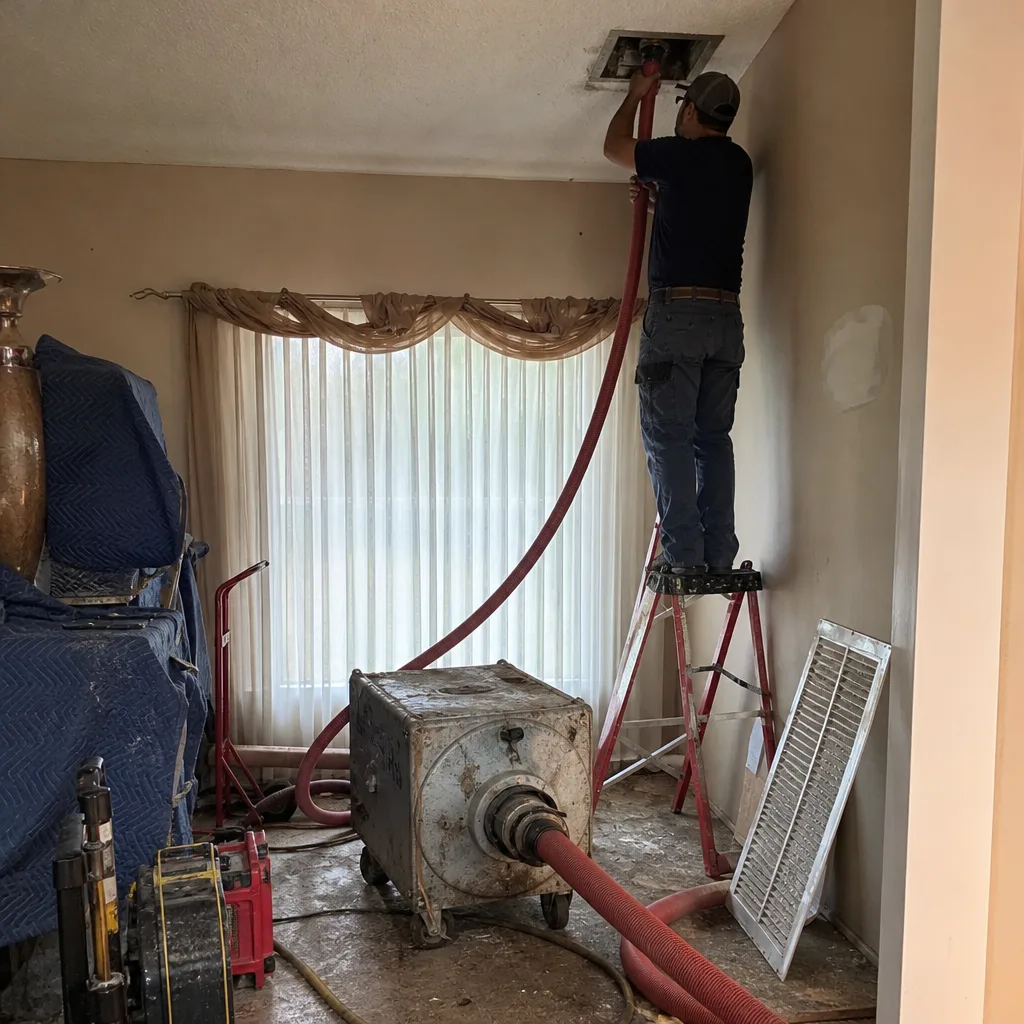 Before
 After
After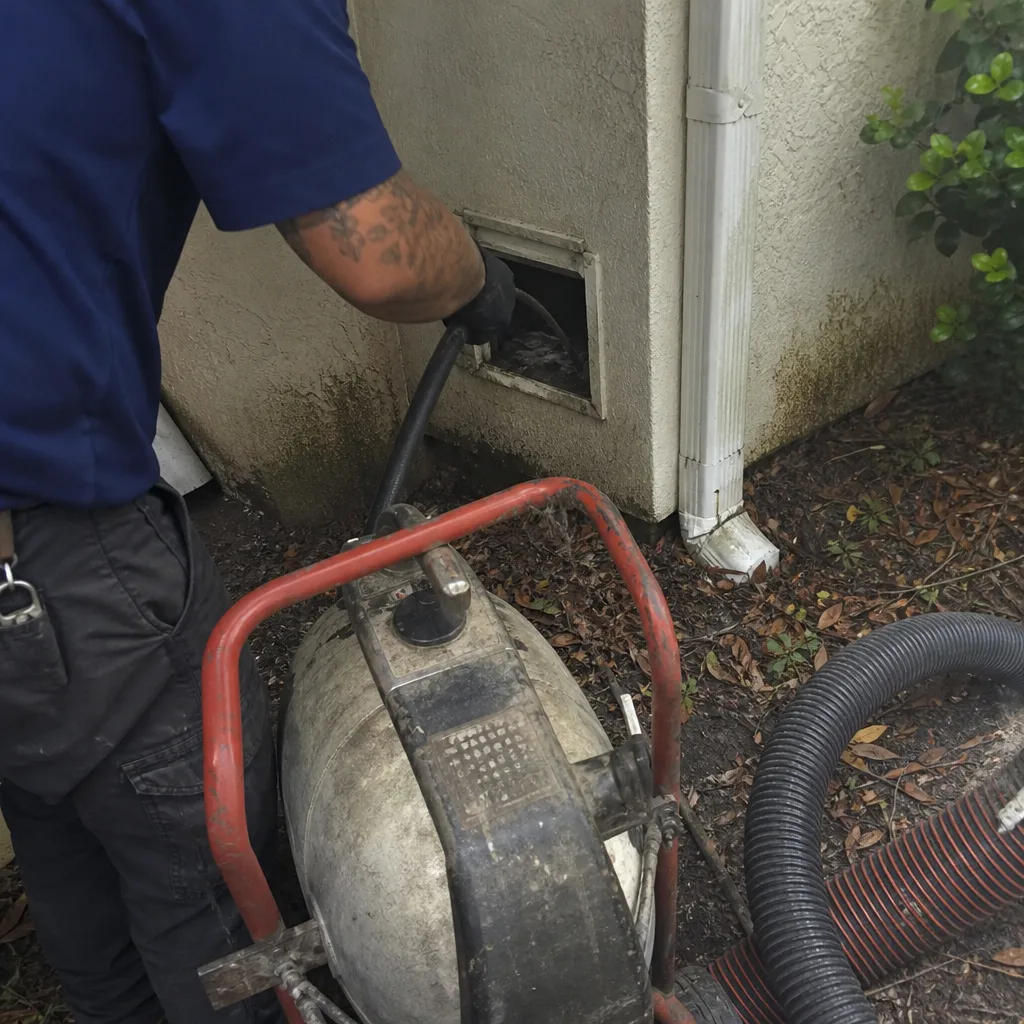 Before
 After
AfterWhen to Call a Professional
Call a professional duct cleaner in Orlando when you notice any of these signs: visible dust or debris blowing from registers when the AC kicks on, a musty odor that lingers after running the system, rooms that heat unevenly or never reach the thermostat setting, allergen symptoms that worsen indoors, or a renovation project that filled your home with drywall dust. If you have owned your Orlando home for more than three to five years without a duct inspection, the system is past due regardless of whether you have noticed symptoms. The point of hiring a professional is to verify the condition of your ducts and clean what needs cleaning without upsell pressure or vague estimates. Cardinal Air Duct Orlando offers free estimates in Orlando; call (850) 750-6095 to schedule a walkthrough with an inspection camera and get a written price before any work begins.
Frequently Asked Questions
A legitimate whole-home air duct cleaning in Orlando typically ranges from $350 to $550 for a standard single-family home, depending on square footage, number of systems, and duct condition. Any quote dramatically below that range should be treated as a teaser price, not an estimate. Call (850) 750-6095 for a written quote based on a walkthrough of your actual system.
No. Florida does not require a specific state license for air duct cleaning, which is why the burden of verifying credentials and equipment falls on the homeowner. NADCA certification and ACR standard compliance are the most meaningful third-party verifications available in the absence of state licensing.
A thorough whole-system duct cleaning, including all supply ducts, return ducts, trunk lines, plenum, and air handler, typically takes 3 to 5 hours. Any company promising a complete cleaning in under an hour is not performing source removal; they are vacuuming the visible registers.
Insist on before-and-after photo documentation of the duct interior, taken with an inspection camera. The before photos should show buildup inside the ducts, and the after photos should show clean duct walls. A company that cannot provide photo proof cannot verify its own work.
Cheap quotes, particularly the $49 and $99 whole house specials, are designed to get a technician into your home so the real invoice can be assembled through upsells and fear-based recommendations for fogging treatments, sanitizers, or replacement components. The low number is a marketing cost, not the price of the service.
In Orlando’s climate, most homes benefit from duct cleaning every 3 to 5 years, though homes with heavy AC usage, pets, recent renovations, or allergy-sensitive occupants may need service more frequently. The best approach is an inspection: a camera inside your ducts gives you the answer specific to your system rather than a schedule plucked from a national average.
The Bottom Line
Hiring an air duct cleaning contractor in Orlando is a process with no state safety net, which means the four phone questions, the written quote, and the photo documentation requirement are not optional extras; they are the mechanism that separates real operators from the $49 special. Verify equipment by brand name. Ask for a walkthrough with an inspection camera before you sign anything. Keep a written quote that includes a total price, a scope of work, and a guarantee with a number and a duration. When those pieces are in place in writing, you have a legitimate contractor. When any of them is missing, keep looking. The most expensive duct cleaning in Orlando is the one you pay for twice: once to a company that did not do the work, and again to a company that did. For more guides & resources on protecting your home, visit our blog.
Written by Omar Haddad, Owner at Cardinal Air Duct Orlando, serving Orlando since 2005.