
Last updated October 15, 2026
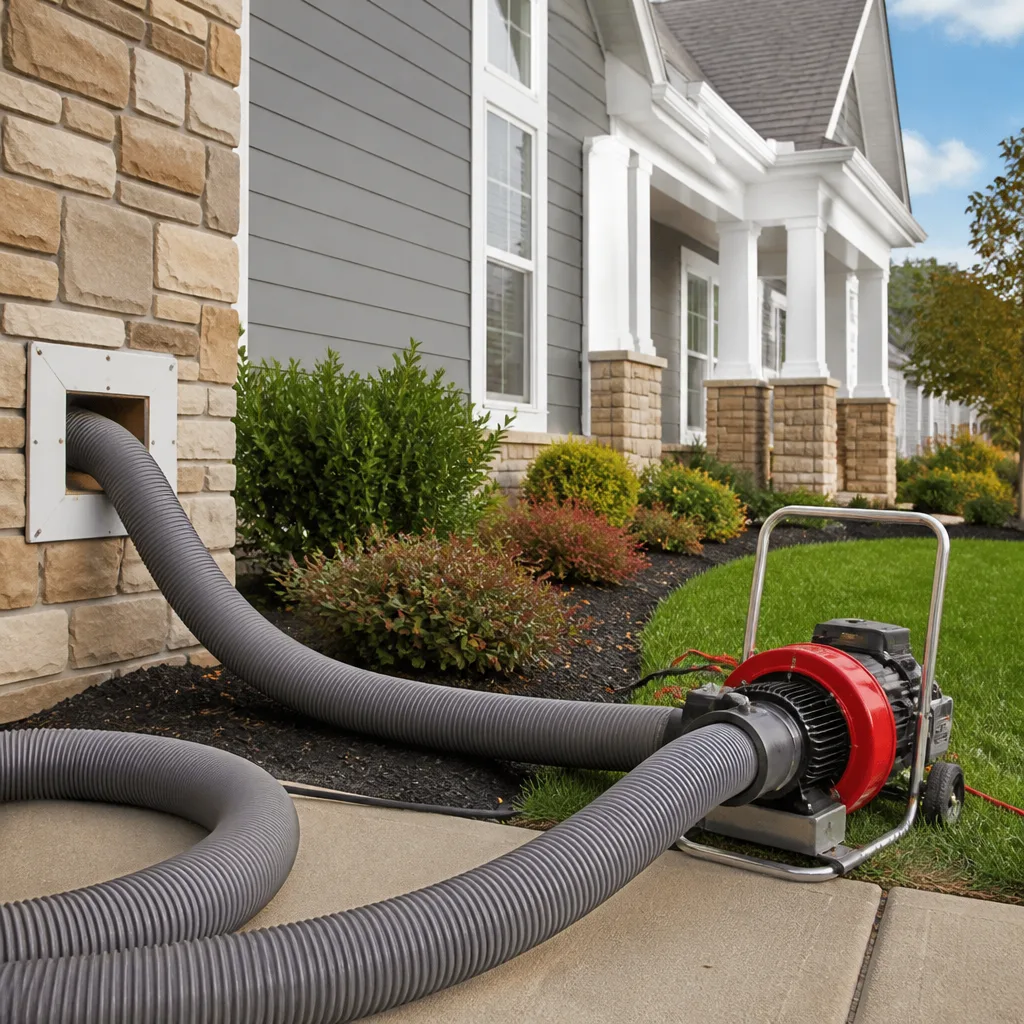 Whole-home duct cleaning
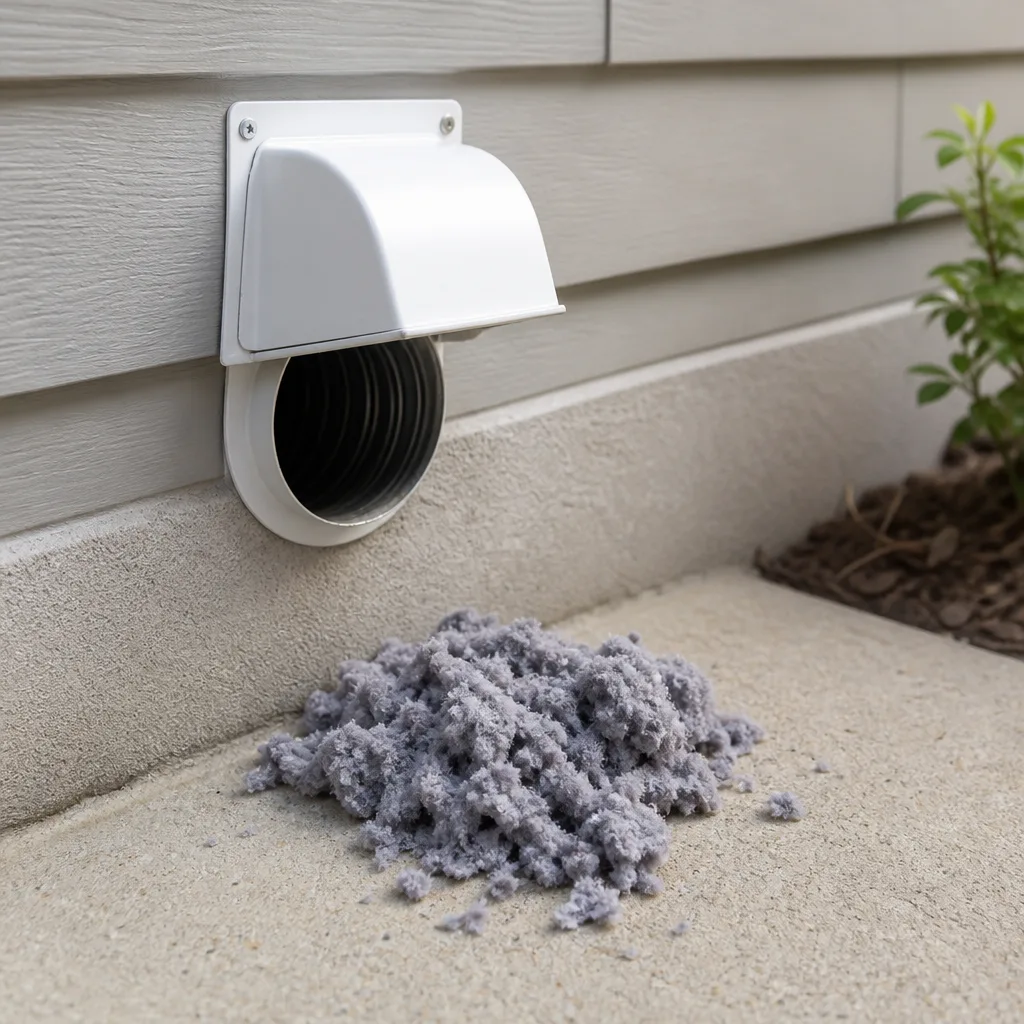 Dryer vent cleaning
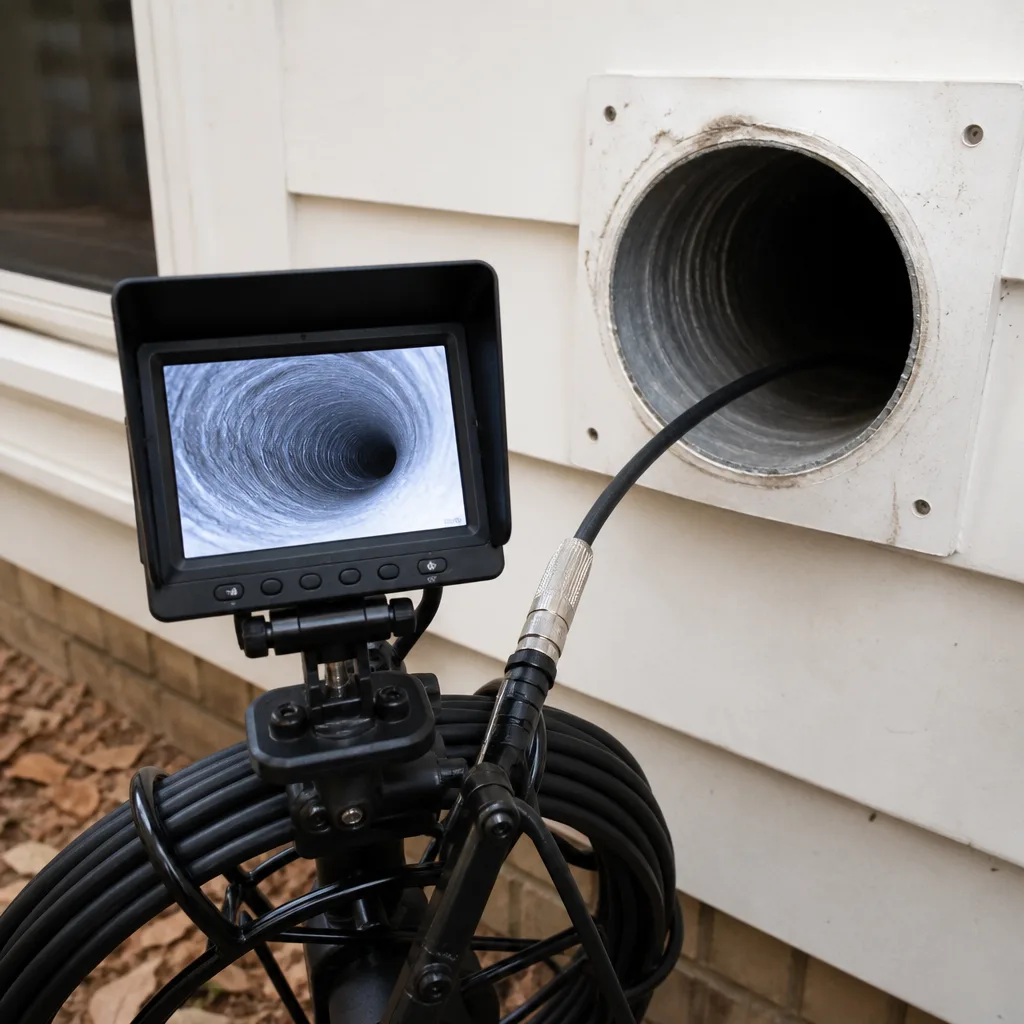 Camera inspection
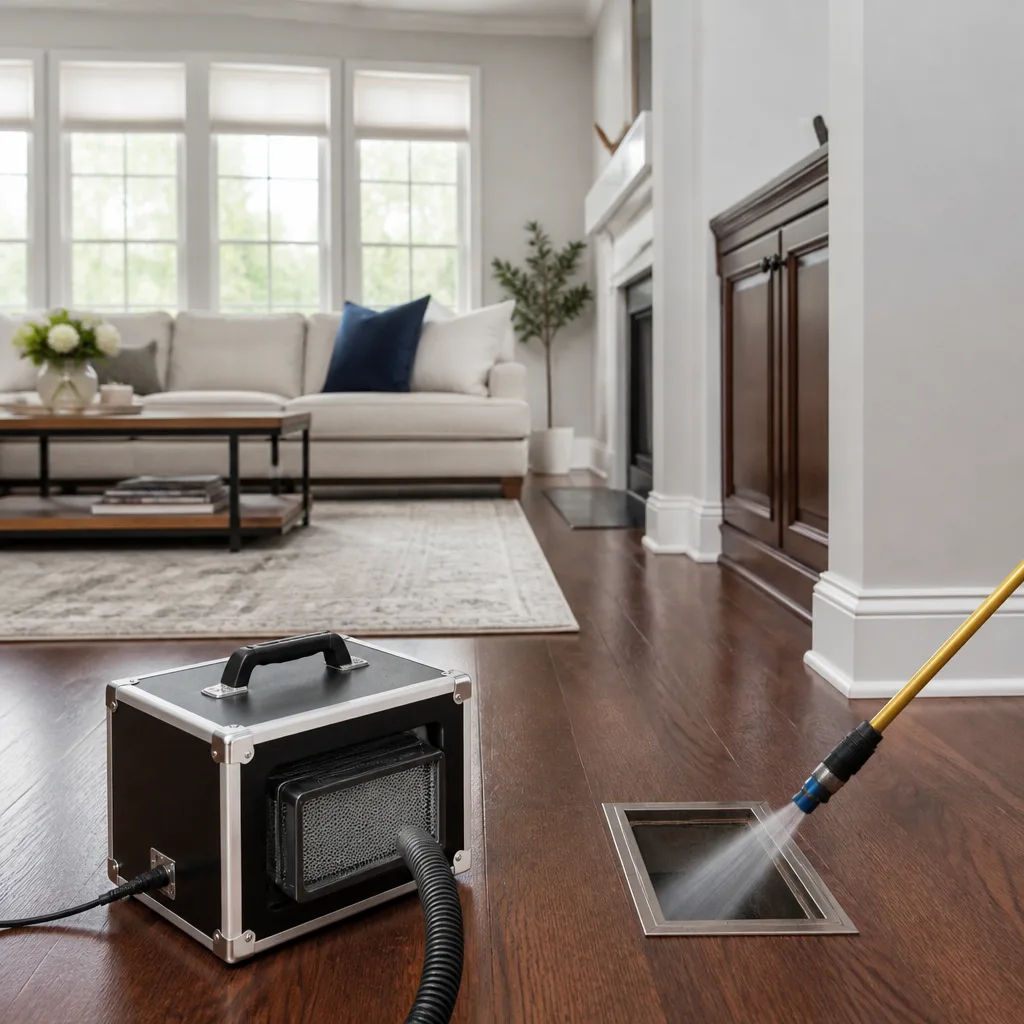 Sanitizing & deodorizing
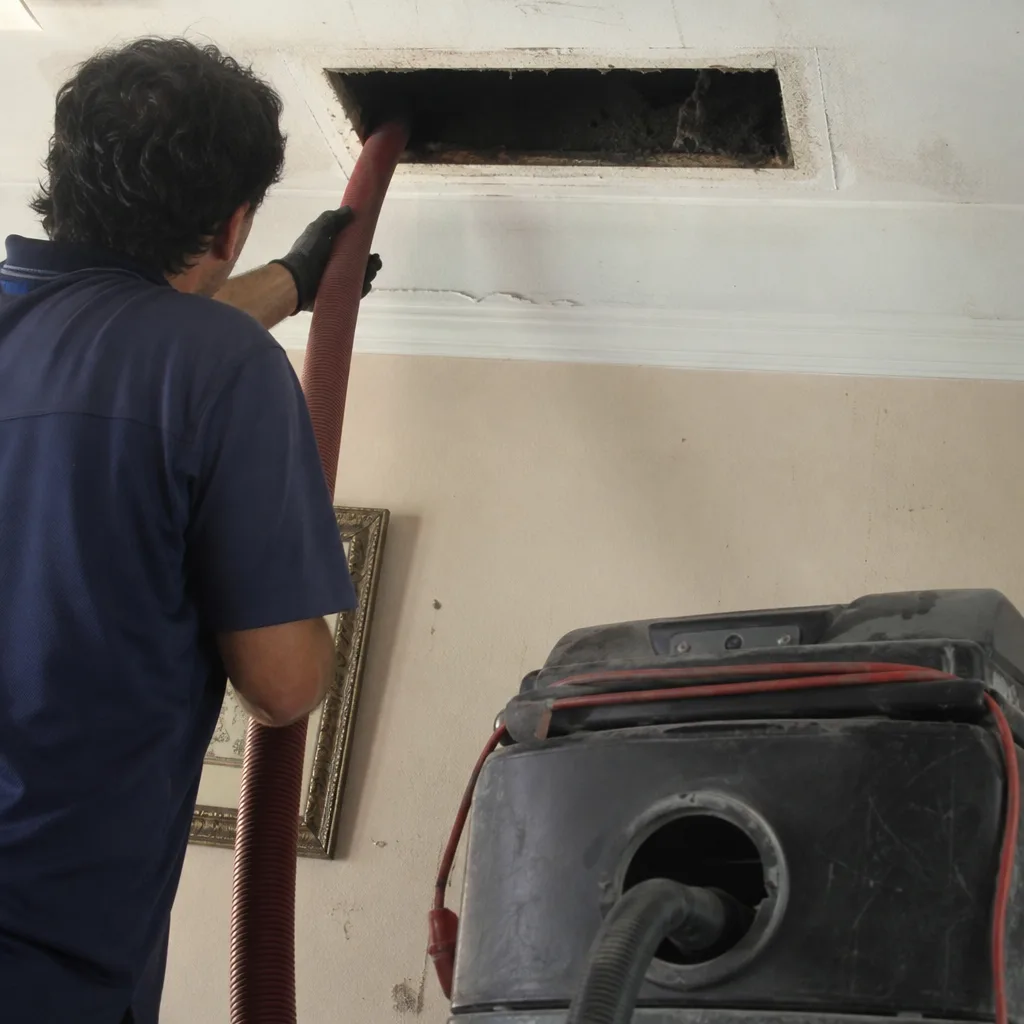
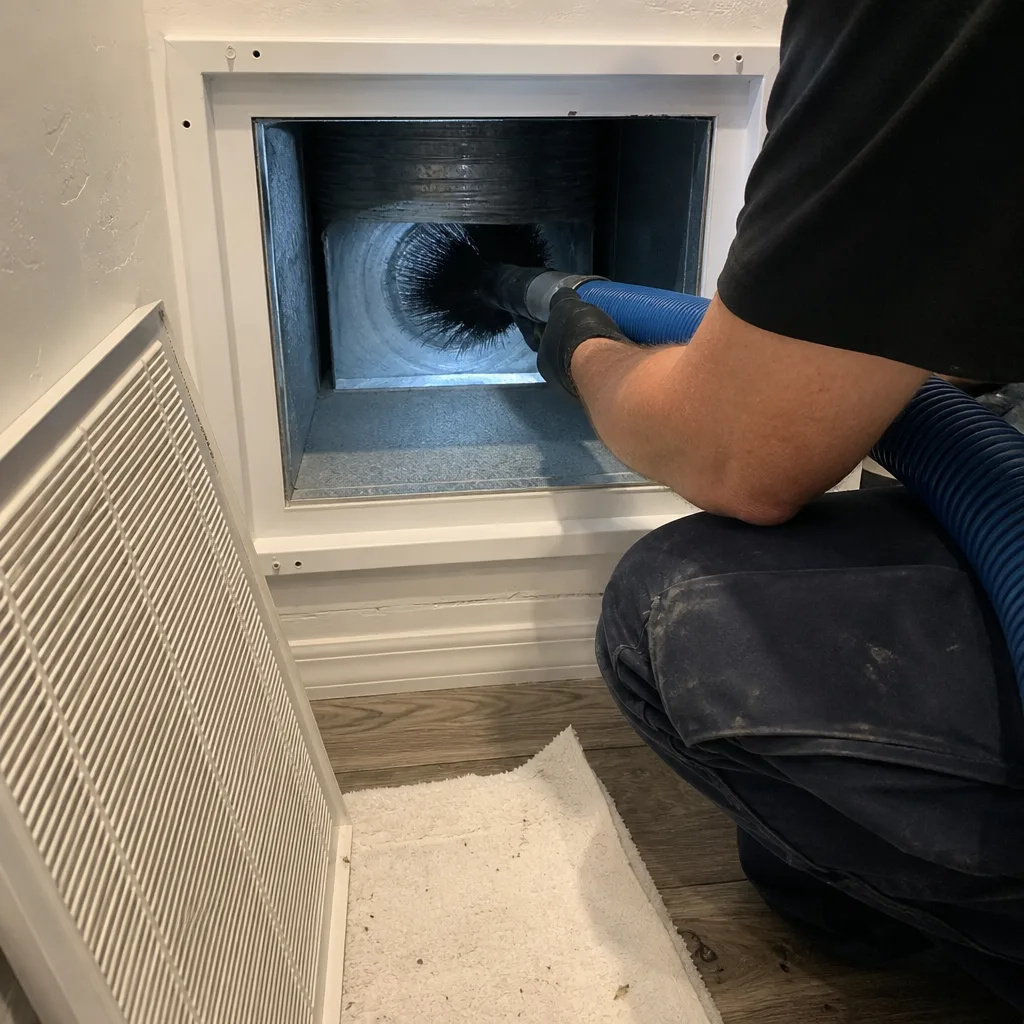
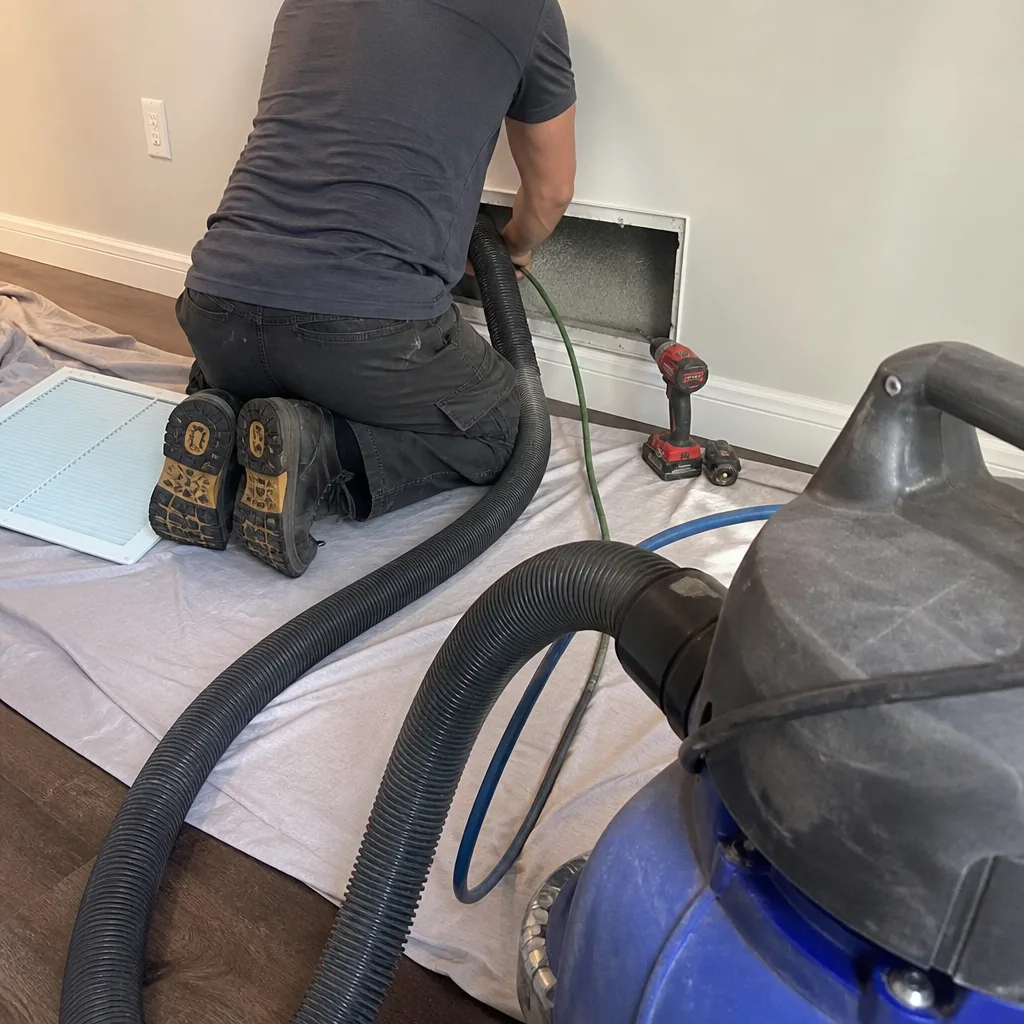
Whole-system duct and dryer vent check with before-and-after photos - you see exactly what came out of your vents
That "$99 whole-house special" is a bait ad - the real number appears once they are in your hallway, or the "clean" is a shop-vac at the register. We photograph the inside of your ducts before and after instead.
Air Duct Cleaning Permits, Codes & Inspections in FL: What You Need to Know
If your duct cleaner installs an Aprilaire air purifier or reseals your air handler plenum without a permit, you may be holding an unpermitted modification the next time your homeowner’s insurance adjuster or a buyer’s inspector walks through. That’s not a scare tactic; it’s what we see in Orlando homes every month. Here’s the thing most duct cleaning companies won’t tell you: basic cleaning is not regulated work, but the line between maintenance and modification is razor thin, and crossing it without paperwork can cost you real money at resale or claim time. This guide draws that exact line, section by section, so you know before you hire whether the job on your quote is just a cleaning or something the Florida Building Code actually cares about.
Styles & brands we work with
Quick Answer
Routine air duct cleaning that uses brushes, vacuums, and agitation without cutting into or modifying ductwork does not require a permit anywhere in Florida. However, if the work involves cutting into ductwork, replacing duct sections, sealing duct with mastic or Aeroseal, reconfiguring a plenum, or installing in-duct equipment like a UV purifier, Florida Building Code Mechanical Chapter 6 applies and a mechanical permit from your local building department is generally required. The person doing that regulated work must be a licensed mechanical contractor in Florida, not a duct cleaning technician.
Table of Contents
- What Florida Law Actually Says About Duct Cleaning and Permits
- Cleaning vs. Modification: Where the Permit Line Sits
- Duct Sealing, Florida Energy Code R406, and Why It Matters
- How Orlando and Orange County Handle Duct Permits Differently
- Duct Cleaning Technician vs. Licensed Mechanical Contractor: The Difference That Protects You
- The Two-Question Test Every Homeowner Should Ask Before Work Starts
- How Unpermitted Duct Work Affects Home Insurance and Resale in Orlando
- Common Mistakes to Avoid
- When to Call a Professional
- Frequently Asked Questions
- The Bottom Line
What Florida Law Actually Says About Duct Cleaning and Permits
Florida’s building permit requirement is state-level, codified in Chapter 553 of Florida Statutes and implemented through the Florida Building Code, which every county and municipality must adopt. For HVAC and ductwork, the governing chapter is FBC Mechanical, Chapter 6. Here’s what you need to know in plain language: the code regulates installation, alteration, repair, and replacement of duct systems. Routine cleaning is conspicuously absent from that list.
A 2023 update to FBC Mechanical 603 clarified definitions around “duct system” and what constitutes “alteration,” but it did not change the core principle that cleaning, brushing, and vacuuming are maintenance activities, not construction activities. In our experience, inspectors in the Orlando area have consistently treated cleaning-only jobs as outside permit scope. The moment a blade makes a new cut into sheet metal, or a section of flex duct gets replaced, that is alteration, and alteration requires paperwork.
Why does this distinction matter to you? Because when you sell your home or file an insurance claim, the adjuster or inspector checks permit records against the physical condition of the house. If there’s evidence of modified ductwork with no corresponding permit, you’re in a bind that is expensive to unwind.
Cleaning vs. Modification: Where the Permit Line Sits
Here’s the simplest way to think about it. If the work can be undone by removing equipment and leaves no physical change to the duct system, it’s cleaning. If the work involves cutting, fastening, sealing, replacing, or installing anything that becomes part of the duct system, it’s modification, and modification triggers FBC Mechanical Chapter 6 permit requirements.
Let’s break down specific jobs:
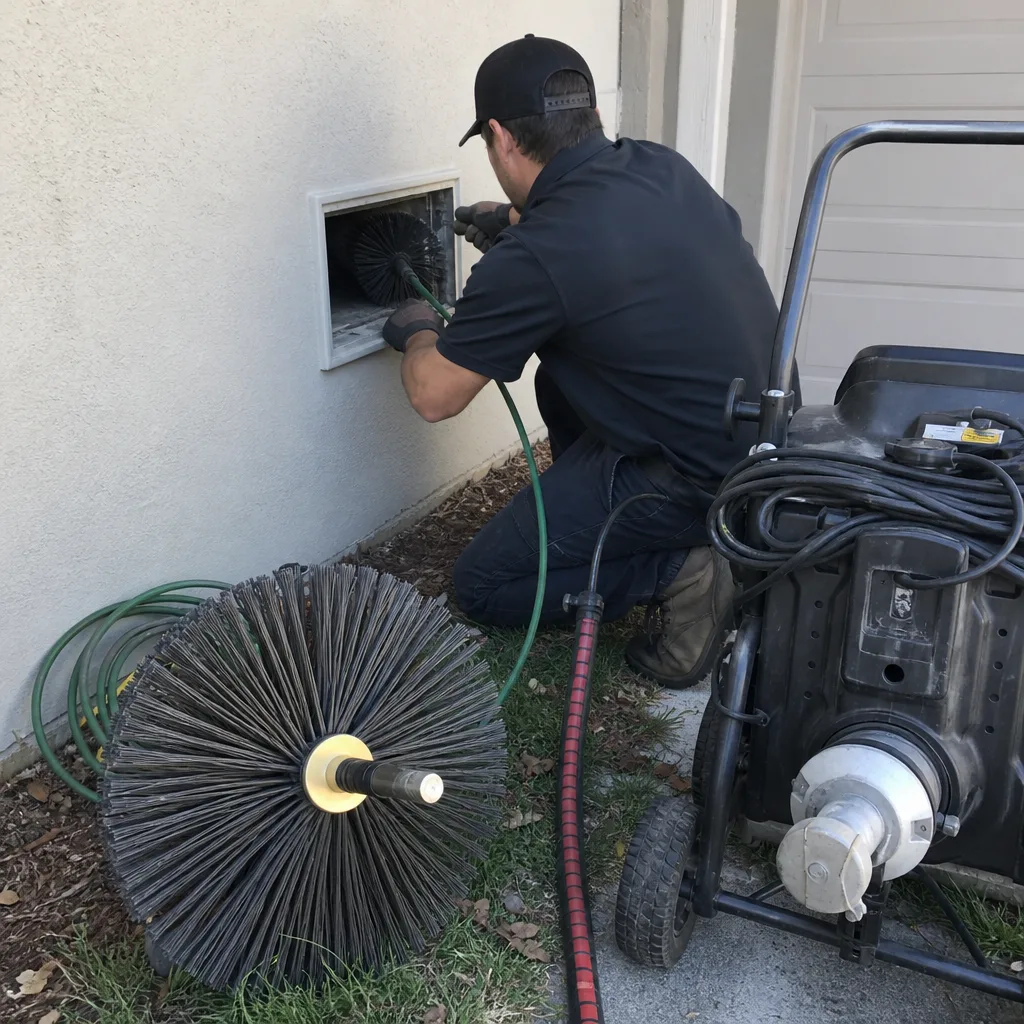
- Rotary brush cleaning with negative pressure extraction – using a Rotobrush system to agitate and vacuum debris from inside existing ducts. This is cleaning. No permit needed. The system remains exactly as it was, just cleaner.
- Replacing a damaged flex duct run – even if it’s five feet, even if it was damaged by age or pests. That is duct replacement under FBC Mechanical 603.2. Permit required, and a licensed mechanical contractor must do the work.
- Installing an Aprilaire UV purifier in the supply plenum – that’s adding a new component to the system. FBC Mechanical 603.9 covers mechanical equipment installation, and adding equipment to a duct is installation. Permit required.
- Resealing an air handler plenum with mastic – if you’re just brushing mastic over existing sealant, most Orlando inspectors would call that maintenance. If you’re opening the plenum, reconfiguring it, or replacing it, that’s alteration requiring a permit.
- Adding a return vent in a room – cutting a new hole in drywall, running duct, connecting to the return trunk. Full mechanical permit scenario.
This is not academic. An unpermitted modification can cost you a sale in Winter Park or Baldwin Park, where buyers and their inspectors tend to be more thorough.
Duct Sealing, Florida Energy Code R406, and Why It Matters
Florida Energy Code section R406 addresses duct tightness testing and sealing. When ductwork is installed or modified, the code requires that ducts pass a leakage test, typically using a duct blaster, and be sealed to a specified standard. Sealing here means applying mastic sealant or using an Aeroseal process to close leaks at joints, seams, and connections.
This is the trap door under many Orlando homeowners. A company advertises “duct sealing” as part of a cleaning package. The technician applies some mastic. It seems harmless enough. But under R406, sealing that is performed as part of a modification or repair must be done by a licensed mechanical contractor and documented with a permit. If the sealing is done improperly and your system fails a future duct blaster test, you may be looking at hundreds or thousands of dollars in corrections, plus the hassle of pulling a permit after the fact.
What does proper sealing look like? Mastic applied over clean joints, not duct tape. Mastic is a thick paste that hardens into a durable seal; duct tape degrades and falls off within a few years in Florida attic temperatures, which routinely hit 140 degrees in August. Aeroseal is an aerosolized sealant that gets pumped through the duct system under pressure and sticks to leaks from the inside. Both methods, when required, fall under regulated work. A cleaning company that offers sealing as an upsell without a licensed contractor on staff is waving a red flag.
How Orlando and Orange County Handle Duct Permits Differently
Orange County and the City of Orlando each run their own building departments, and the permit thresholds are not identical. If you live inside Orlando city limits, you pull mechanical permits from the City of Orlando Permitting Services Division. If you live in unincorporated Orange County – places like Wedgefield, Bithlo, or parts of East Orange – you go through Orange County Division of Building Safety.
Here’s what the difference looks like in practice:
- City of Orlando: Duct modification, replacement, and equipment installation permits are required on single-family homes, full stop. The city also requires a registered contractor to pull the permit and typically inspects the work after completion. Expect an inspection before you close up any walls.
- Orange County: For one- and two-family dwellings, the county allows certain mechanical work under a “minor repair” pathway that does not require a permit, but duct replacement and new component installation still trigger the permit requirement. The threshold turns on whether you’re repairing in place versus replacing or adding.
- Seminole County, directly north of Orlando: Similar to Orange County but with a lower bar for requiring a licensed contractor on any work involving refrigerant or gas. Not the focus of this guide, but worth knowing if you’re near Oviedo or Casselberry.
The practical takeaway: do not assume that because a friend in one part of Orlando pulled no permit that your part of Orlando is the same. Ask the company doing the work whether their planned scope requires a permit in your specific jurisdiction, and watch how they answer.
Duct Cleaning Technician vs. Licensed Mechanical Contractor: The Difference That Protects You
Here’s one of the biggest gaps in the duct cleaning industry that nobody talks about until something goes wrong. There is a legal distinction in Florida between a duct cleaning technician and a licensed mechanical contractor, and about 90% of duct cleaning companies never bother to explain it.
A duct cleaning technician can clean what exists. They can brush, vacuum, agitate, and remove debris from an existing duct system. They do not need a state license to do this, and there is no state certification for duct cleaning in Florida. A licensed mechanical contractor holds a Class A or Class B mechanical contractor license issued by the Florida Department of Business and Professional Regulation, which allows them to install, alter, repair, and replace duct systems and mechanical components. Only a licensed contractor can pull a permit for regulated work.
We operate in both categories at Cardinal Air Duct Orlando. Our duct cleaning uses Rotobrush agitating brush systems and Nikro HEPA vacuum extraction equipment – professional-grade gear that is designed for cleaning existing ductwork, not modifying it. If we discover that your duct system needs repair or replacement beyond cleaning, we will tell you and refer you to a licensed mechanical contractor rather than cut a corner ourselves. That’s not a sales line; it’s the structural reality of doing this work legally in Orlando.
The Two-Question Test Every Homeowner Should Ask Before Work Starts
Before any company sends a technician into your Orlando home, ask these two questions. The answers will reveal more than any review read.
Question 1: “Does this scope of work require a permit?”
Listen for specifics. A company that knows its trade will say: “No, because we are only cleaning existing ducts and not modifying them. A permit is not required for cleaning.” Or they will say: “Yes, because we are replacing two flex runs, and we will have our licensed contractor pull the permit.” If the answer is vague – “we handle everything,” or “you don’t need to worry about that” – that’s your cue to slow down.
Question 2: “Are you pulling it?”
If the answer is yes and they produce a permit number before work starts, you are dealing with a legitimate operation. If the answer is “we don’t need permits for this type of work” and the scope clearly involves cutting or replacement, you are dealing with someone who wants to skip inspection. That means no third-party check on the work, no record for insurance, and no recourse if something fails.
Ask both questions in writing, ideally in an email or text so you have a record. The companies worth hiring will welcome the question.
How Unpermitted Duct Work Affects Home Insurance and Resale in Orlando
We’ve seen this scenario play out in Orlando neighborhoods from College Park to Dr. Phillips: a homeowner gets duct work done years ago, never thinks about permits, then attempts to sell. The buyer’s home inspector notices a newer section of flex duct or an installed purifier unit. They check the county permit database. Nothing shows up. The sale stalls.
What happens next depends on the situation. In some cases, the buyer’s lender won’t finance the home without a post-permit or verification that the work meets code. In other cases, the seller takes a price hit – often thousands of dollars – to resolve the issue at closing. And in the worst case, if an unpermitted system leaks and causes water damage or mold, the homeowner’s insurance carrier can deny a claim on the basis that the work was unauthorized.
Orlando’s hot, humid climate compounds this risk. Attic temps above 140 degrees, combined with humidity levels that stay elevated year-round, accelerate degradation in ductwork. If unpermitted work fails in that environment, there is no permit record to prove who did it or what standard it met. That’s the moment when a $600 cleaning upsell becomes a $3,000 repair problem.
Common Mistakes to Avoid
- Assuming all duct work is permit-exempt because cleaning is. Cleaning is exempt. Cutting, replacing, sealing, and installing are not. The distinction is what matters, not the category name on the quote.
- Letting a cleaning technician seal ducts without knowing who is doing the sealing. Under Florida Energy Code R406, sealing tied to modification or replacement requires a licensed mechanical contractor. A company that offers both cleaning and sealing without clarification is blurring the line.
- Not asking the two questions before work starts. We’ve covered this above, but it bears repeating: ask about permit requirements and who is pulling the permit before a single foot touches your attic ladder.
- Accepting a vague scope of work without a written description. A written price is one thing. A written description of the actual work is another. Both matter. You need to know whether “duct service” means cleaning or modification.
- Failing to check your jurisdiction. City of Orlando permit rules are different from Orange County rules. Don’t assume your neighborhood follows the same threshold as a friend across town.
- Ignoring the red flag of a company that never mentions licensed contractors. If a company cannot tell you who on their team holds a mechanical contractor license and does regulated duct work, that’s structural, not incidental. Cleaners clean. Contractors modify. A company that conflates the two will eventually create a problem for you.
- Skipping an inspection on regulated work. The permit is not the point; the inspection is. An inspection puts a third-party set of eyes on the work and creates the record you need for insurance and resale.
When to Call a Professional
Call a licensed professional when your duct issue goes beyond cleaning. If you see condensation dripping around a register in your Orlando living room, if a return is pulling air from an attic or crawlspace rather than the room, if a section of flex duct has collapsed or been chewed by rodents, if you have black staining around the supply vents, or if you suspect a leak in the plenum. These are signs of system failure, not dirt accumulation, and they require a contractor who can assess, pull a permit, and do the repair correctly. For cleaning work, Cardinal Air Duct Orlando offers free estimates in Orlando – call (850) 750-6095 and we’ll send a tech with a written price before any work starts.
Frequently Asked Questions
No, routine air duct cleaning does not require a permit in Florida. The Florida Building Code only requires permits for installation, alteration, repair, or replacement of duct systems. Cleaning existing ducts with brushes and vacuums falls outside permit scope.
Yes, installing an Aprilaire UV purifier or any in-duct component in your duct system is considered installation of mechanical equipment under FBC Mechanical Chapter 6, and a permit is required. A licensed mechanical contractor must pull that permit. Call (850) 750-6095 if you want guidance on what your specific installation involves.
A duct cleaning technician cleans existing ductwork using brushes, vacuums, and agitation equipment. A licensed mechanical contractor holds a state license allowing them to install, alter, repair, and replace duct systems. Only the contractor can pull a permit for regulated work in Orlando and the rest of Florida.
Cheaper duct sealing quotes often come from companies that are not using licensed mechanical contractors and are not pulling permits. Florida Energy Code R406 requires sealing tied to modification or replacement to be performed by a licensed contractor with documented testing. A lower quote that skips those steps puts you at risk for failed inspections and insurance claim denials. Call (850) 750-6095 for an honest assessment of whether your sealing job is regulated work.
Search the public permit database for your jurisdiction. In the City of Orlando, use the city’s permitting portal and search by your address. In Orange County, use the county’s Fast Track online services. If you see no permit record and the work clearly involved modification or replacement, contact a licensed contractor to assess whether post-permitting is possible.
If you unknowingly bought a home with unpermitted duct work, your options depend on the scope and age of the work. A licensed mechanical contractor can inspect the system, determine if it meets current code, and potentially pull a post-permit with an inspection. If the work fails inspection, you’ll need to bring it up to code. This is far cheaper to address before a insurance claim or resale. Call (850) 750-6095 for a honest conversation about your situation.
The Bottom Line
The line between duct cleaning and regulated duct work is one of the most misunderstood boundaries in Florida home maintenance. Cleaning is cleaning; it needs no permit and no contractor license. The moment a blade cuts sheet metal, a section of flex is replaced, or a unit gets bolted into the plenum, Florida Building Code applies and a licensed mechanical contractor needs to pull a permit. In Orlando, with its punishing attic temperatures and high humidity, poorly done or unpermitted duct work fails fast and fails expensive. Know your two questions. Ask them in writing. And if you want a cleaning company that will tell you the truth about what your ducts need and what they don’t, our team is a call away.
You can reach us at Cardinal Air Duct Orlando for Air Duct Cleaning in Orlando, HVAC Cleaning in Orlando, and Dryer Vent Cleaning in Orlando. We answer the phone 24/7, hand you a written price before any work starts, and back every job with our 365-Day Done Right Promise: if it isn’t right within a year, we come back and make it right, free.
Written by Omar Haddad, Owner at Cardinal Air Duct Orlando, serving Orlando since 2005.
See the difference
 Before
 After
After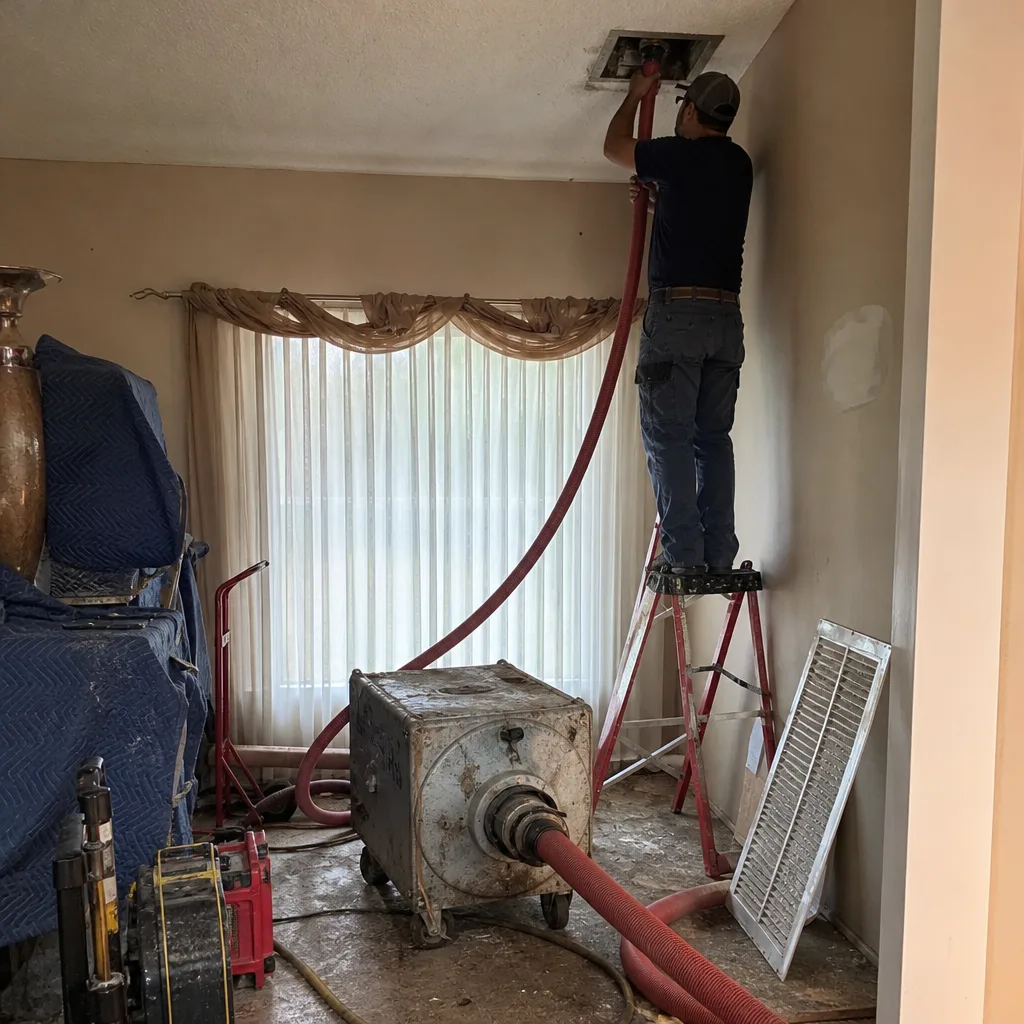 Before
 After
After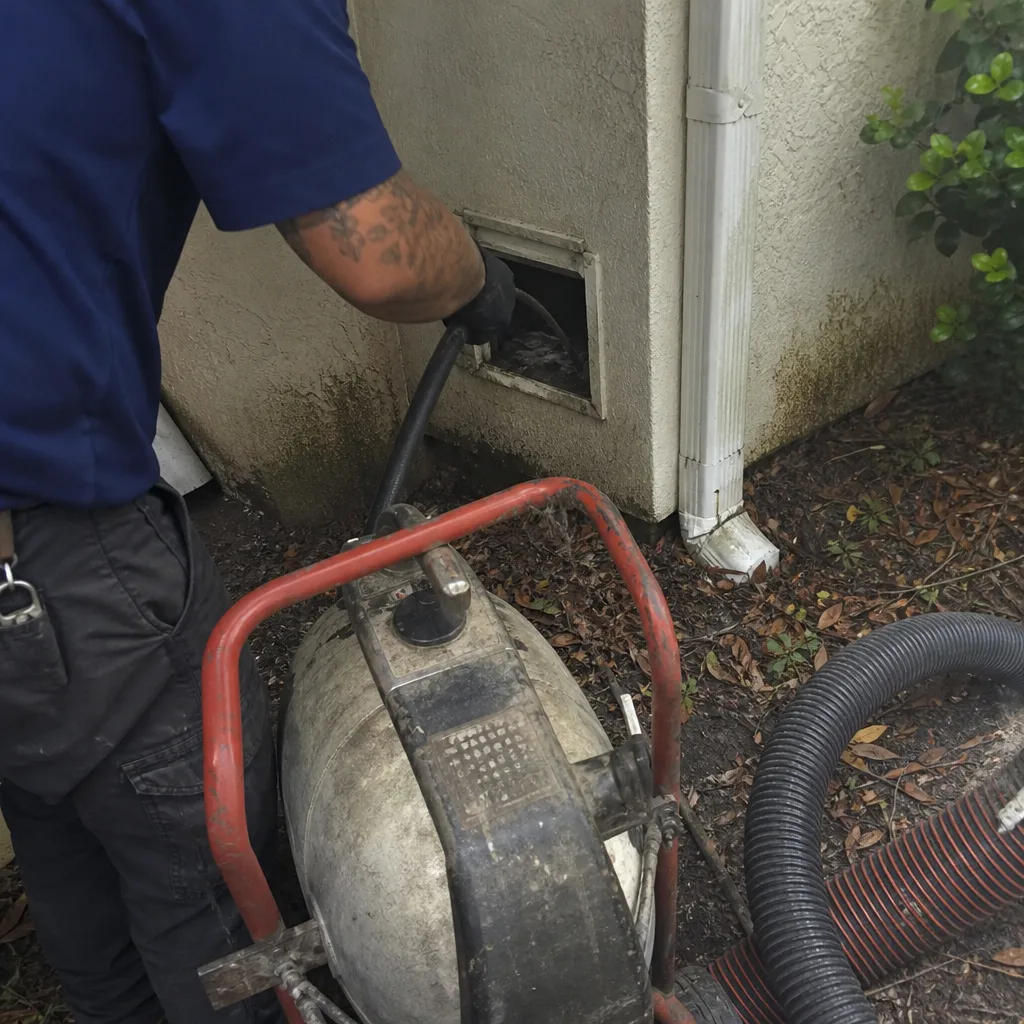 Before
 After
After