
Last updated October 15, 2026
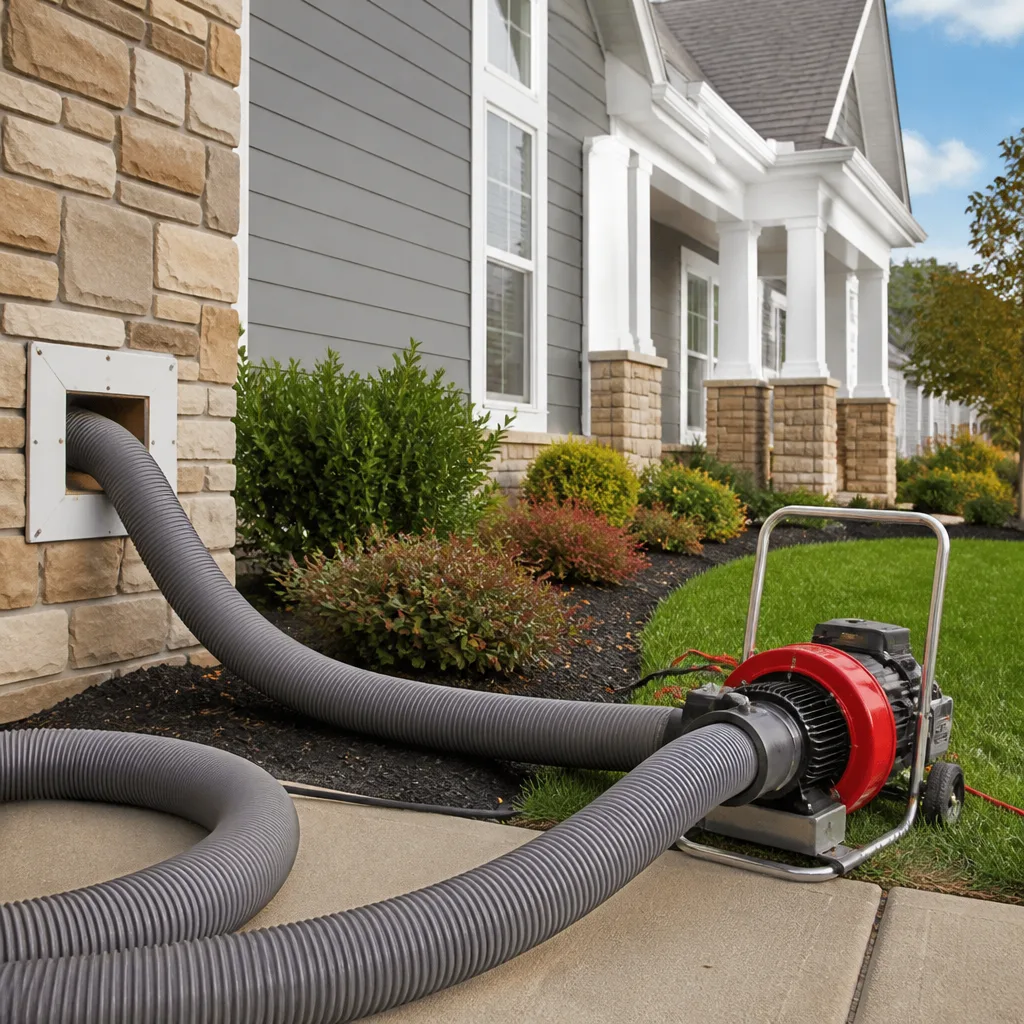 Whole-home duct cleaning
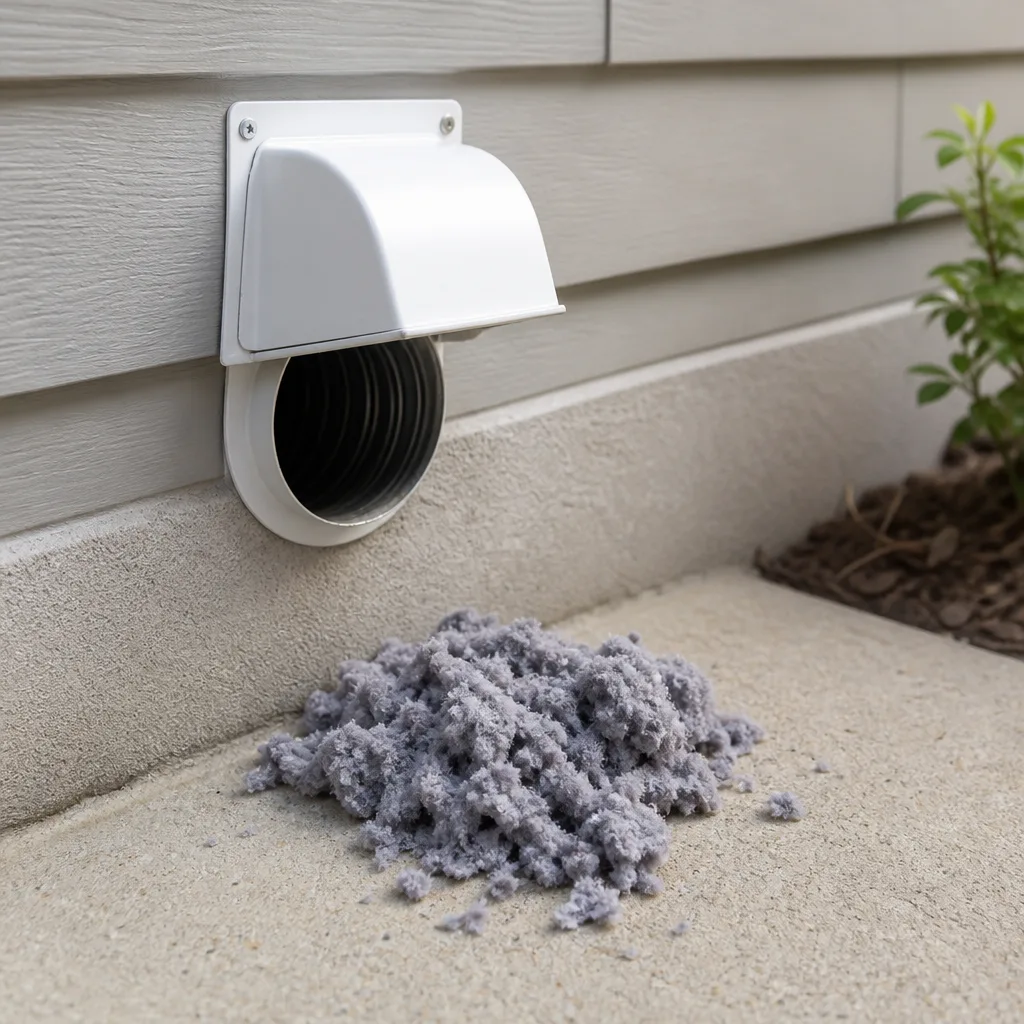 Dryer vent cleaning
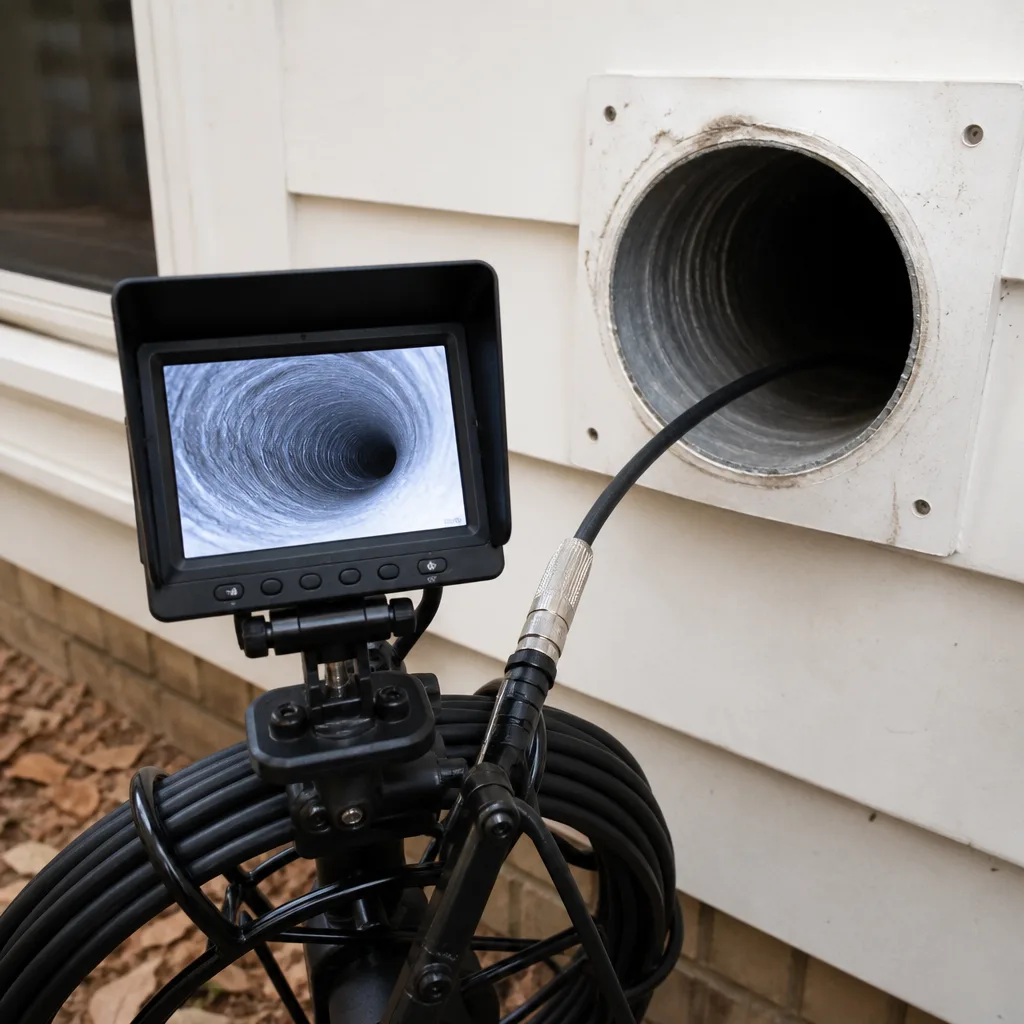 Camera inspection
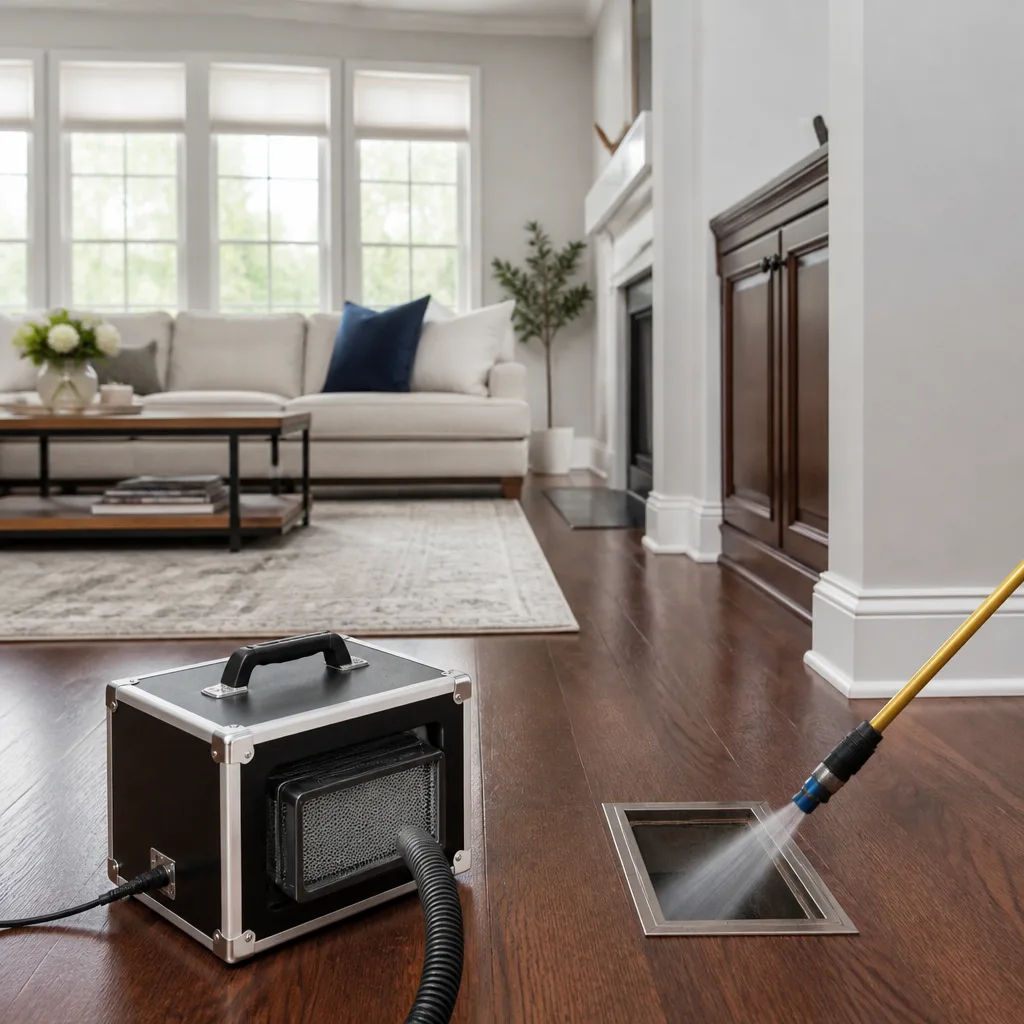 Sanitizing & deodorizing
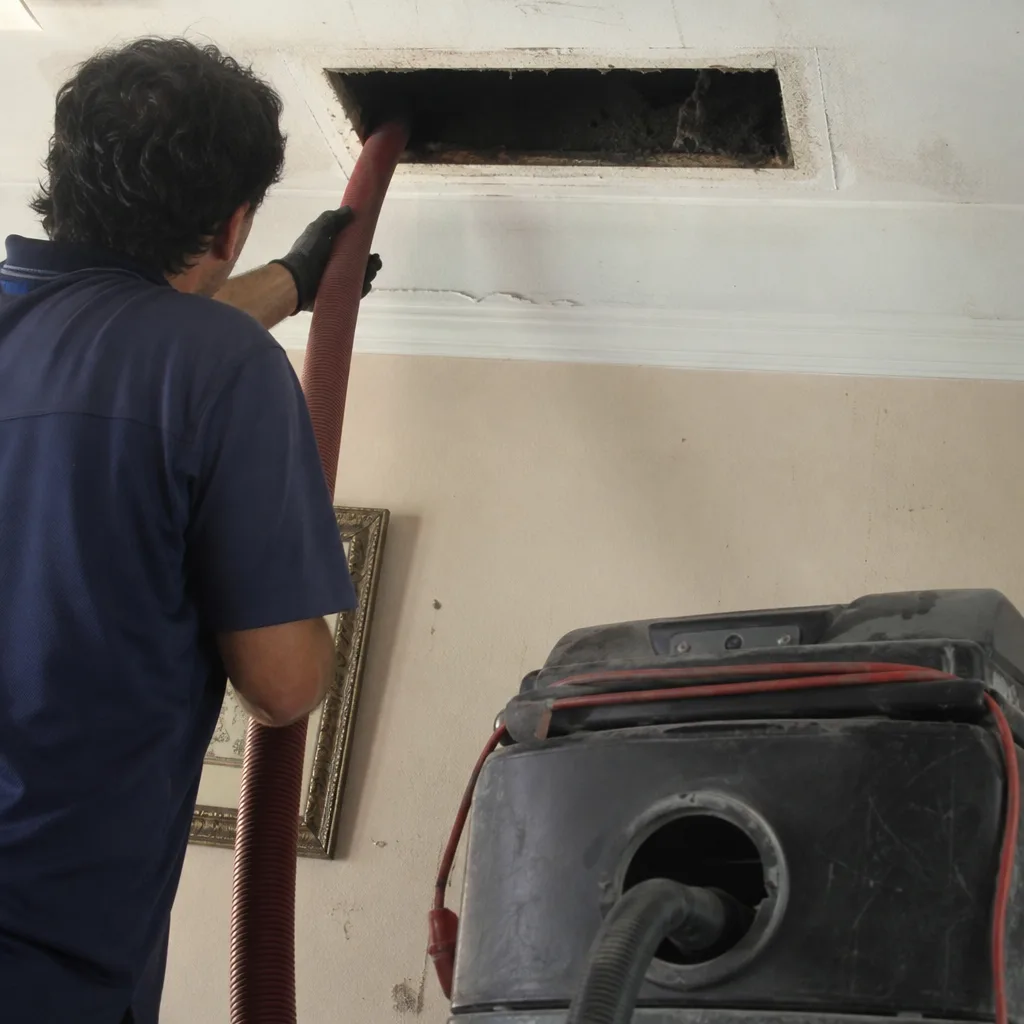
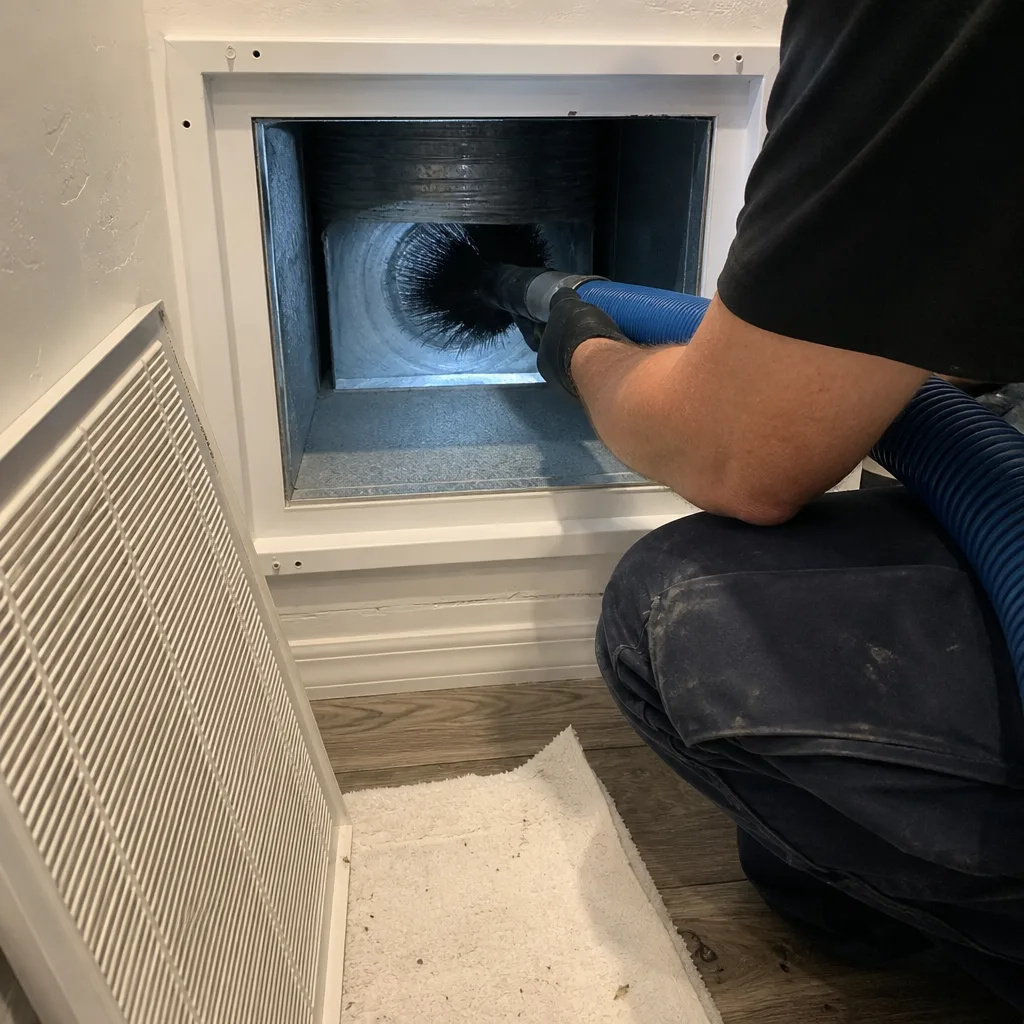
Whole-system duct and dryer vent check with before-and-after photos - you see exactly what came out of your vents
That "$99 whole-house special" is a bait ad - the real number appears once they are in your hallway, or the "clean" is a shop-vac at the register. We photograph the inside of your ducts before and after instead.
Seasonal Air Duct Cleaning Care for Orlando: Year-Round Homeowner’s Guide
Telling an Orlando homeowner to “winterize their HVAC” in November is like telling them to shovel their driveway. The advice isn’t wrong everywhere – it’s just wrong here. National four-season maintenance guides send Central Florida residents chasing tasks that don’t match our climate, while the two windows that actually matter go ignored. This guide rebuilds the air duct maintenance calendar from scratch for Orlando conditions: a pre-summer load season prep and a post-summer biofilm and debris audit. You’ll learn exactly when to clean, what to check, and why the timing matters more than most duct cleaning companies will tell you.
Quick Answer
In Orlando, you should schedule air duct maintenance twice a year: once in February or March before the cooling load ramps up, and again in October after the long humid season ends. A standard whole-home air duct cleaning in Orlando runs $450 – $750 depending on system size and duct count. The October window is the most important – months of condensation inside flex duct create the highest-risk conditions for mold colonization.
Styles & brands we work with
Table of Contents
- Why Orlando Has Two HVAC Seasons, Not Four
- The February – March Pre-Season Checklist
- The October Post-Peak Audit: Biofilm and Debris
- Pollen Season: Orlando’s Secondary Cleaning Trigger
- Filtration Maintenance That Syncs With Orlando’s Calendar
- What a Professional Duct Cleaning Actually Involves
- What Air Duct Cleaning Costs in Orlando
- Common Mistakes to Avoid
- When to Call a Professional
- Frequently Asked Questions
Why Orlando Has Two HVAC Seasons, Not Four
Orlando’s climate is dominated by two distinct operating modes for your HVAC system. The peak cooling load season runs from roughly April through October, when daytime highs sit above 85°F and humidity stays elevated through the night. The shoulder period – November through March – is shorter, milder, and sees your system cycling on and off irregularly. There is no heating season that matters, no fall transition where systems sit idle long enough to “settle.” Your AC runs for most of the year, and the air ducts deal with the consequences of constant temperature differentials.
This creates two specific problems in Orlando that national guides don’t address.
First, the cooling season drives condensation. When chilled air moves through ductwork that runs through a hot, humid attic – common in most Orlando homes built after 1980 – the temperature difference causes moisture to form on the interior and exterior of duct surfaces. Flex duct, the insulated flexible tubing used in most Central Florida homes, is particularly vulnerable. The interior fiberglass lining can absorb moisture over time, creating exactly the environment where microbial growth takes hold.
Second, the shoulder period creates a false sense of low maintenance. The system isn’t working as hard, so airflow issues, musty odors, and increased dust sometimes go unnoticed for weeks or months. By the time the cooling load ramps back up in April or May, the ducts have accumulated a season’s worth of debris that now gets blown through the house at full velocity.
We see this pattern across Orlando’s older neighborhoods – College Park homes with 1960s rigid ductwork, Dr. Phillips properties with long attic runs, Lake Nona builds with modern flex systems. The material and age of the ductwork changes the timeline, but the Orlando humidity problem is constant.
If you’re weighing a full cleaning versus spot maintenance, our Air Duct Cleaning in Orlando guide breaks down what a full service includes and what problems it solves.
The February – March Pre-Season Checklist
The pre-season window in Orlando runs from mid-February through late March. The goal is straightforward: get the system ready for the humidity spike and the near-continuous operation that starts in April. Here’s the checklist we recommend to every homeowner in Orlando, in order of priority:
- Replace the return air filter. If you run a standard 1-inch fiberglass or pleated filter, it should be changed every 30 – 60 days during peak cooling season. Before the season starts is the best time to install a fresh one and note the date.
- Inspect the evaporator coil. The coil sits inside the air handler, usually in a closet, garage, or attic. In Orlando’s humidity, the coil sweats constantly during operation. A dirty coil restricts airflow and adds moisture load to the entire duct system. If you see dust caked on the coil fins, it’s time for professional HVAC Cleaning in Orlando.
- Check the condensate drain line. A clogged drain line backs water into the air handler, which then gets pulled into the supply ducts. Orlando’s warm, wet air accelerates algae growth in these lines. Pouring a cup of white vinegar down the line every two months is a simple preventative step.
- Walk the duct runs you can see. In most Orlando homes, at least some ductwork is visible in the garage or attic. Look for disconnected joints, sagging flex duct, kinks, or tears in the outer insulation. A disconnected joint means conditioned air is dumping into the attic, and attic air – with its dust, insulation fibers, and humidity – is being pulled back into the system.
- Verify register balance. Walk each room and feel the airflow at every supply register. A room that’s suddenly weak on airflow may indicate a duct leak, a damper issue, or a blockage. Fixing this before the cooling season starts is far easier than diagnosing it in July.
The February – March window matters because whatever condition the system is in on April 1 is the condition it will run in for the next seven months. Orlando’s cooling season is the longest in the country outside of South Florida and Hawaii. Small issues in March become expensive repairs in August.
The October Post-Peak Audit: Biofilm and Debris
The second maintenance window is October, after the system has run hard for six to seven months. This is the most important inspection of the year in Orlando, and most homeowners never do it. Here’s why.
During peak cooling season, condensation forms on and inside duct surfaces nearly every day. The inside of a flex duct that carries 55°F air through a 110°F attic is a condensation factory. Over months, this moisture combines with organic debris – dust, skin cells, pet dander, pollen – to form a biofilm, a thin organic layer that sticks to the interior of ductwork.
Biofilm is the precursor to mold. Mold spores are present everywhere in Orlando’s outdoor air. All they need is a damp surface with organic material, and a duct system with biofilm provides exactly that. October is the highest-risk window because the ducts have been wet for months, and the ambient humidity is still high enough to sustain growth even as temperatures start to ease.
The October audit should include:
- Visual inspection of accessible duct interiors. A technician with a borescope can see what’s actually inside the duct, not just what’s near the register.
- Musty odor evaluation. If you notice a damp or earthy smell when the system first kicks on, that’s often biofilm or early mold growth in the ducts or at the coil.
- Debris accumulation check. After a full summer of operation, ducts can accumulate a visible layer of dust, particularly in the return side and near the air handler.
- Coil and blower inspection. The evaporator coil should be checked for biological growth, and the blower wheel for dust buildup that reduces air volume.
If biofilm or mold remediation is needed, it should be done in October or early November, before the shoulder season allows whatever’s in the ducts to settle into the insulation liner. Waiting until spring means six more months of potential spore circulation.
In our experience, homes in Orlando that skip the October audit often need more aggressive remediation work later. A verified visual inspection catches problems when they’re manageable.
Pollen Season: Orlando’s Secondary Cleaning Trigger
Central Florida’s pollen seasons don’t follow a clean national pattern, but they are predictable. Oak pollen starts in January and peaks from February through April. Pine pollen follows from February through May. Grass pollen runs from March through September. In total, Orlando has measurable pollen in the air for roughly nine to ten months of the year.
Pollen affects your duct system through the return air path. Every time your system runs, air is pulled through the return duct, which means whatever is in your air – pollen, dust, outdoor particulates – passes through the return side first. The filter stops some of it, but no standard filter catches everything. Pollen that bypasses the filter accumulates on the blower, the coil, and the return duct interior.
Here’s what matters for the maintenance calendar: if you run a standard 1-inch fiberglass filter (the cheapest option, and the one most Orlando rental properties use), you should expect significant pollen accumulation inside the duct system by the end of April. A 1-inch filter catches maybe 20 – 30% of airborne particles depending on the MERV rating. The rest moves through.
A better approach is to use a pleated filter with a MERV 8 to MERV 11 rating during pollen season, which is what we recommend for most Orlando homes. Honeywell and Aprilaire both make solid options in this range. A higher MERV filter catches more pollen, but it also restricts airflow, which is why we don’t recommend jumping to MERV 13 or higher unless the system is designed for it. Restricted airflow in an Orlando summer will push your energy bill up and put stress on the blower.
For homes with allergy-sensitive occupants, the pollen season becomes a secondary trigger for duct cleaning. If the February – March clean was skipped and you have a household member with oak or pine allergies, scheduling a clean in May or June can make a measurable difference in indoor air quality. The return side of the system should be the priority focus.
Filtration Maintenance That Syncs With Orlando’s Calendar
Most homeowners think about filters once and then forget about them. But in Orlando, where the system runs for the better part of the year, filter maintenance has to follow the two-season framework to be effective.
The Aprilaire 213 filter, a common choice for whole-home filtration in Orlando, has a nominal service life of 6 to 12 months depending on air quality and run time. But in practice, during Orlando’s pollen season, we’ve seen these filters load up in as little as 4 to 6 months if the system runs continuously and the home is in a high-pollen area like Winter Park, with its heavy oak canopy, or Maitland with significant pine coverage.
The Abatement Technologies HEPA units used in professional duct cleaning serve a different purpose than residential filtration, but they’re relevant here because Orlando’s air quality during pollen season is genuinely challenging for filtration equipment. When our technicians run Nikro HEPA vacuums during a cleaning, we see the volume of fine particulate that comes out of what appear to be clean ducts. That’s what your residential filter is fighting against every day.
Here’s a practical filter schedule for an Orlando home using common Guardsman or Honeywell 1-inch pleated filters:
- February 15: Replace filter before oak pollen peaks.
- April 15: Replace filter after oak pollen peaks, before grass pollen ramps up.
- June 15: Replace filter at the start of continuous summer operation.
- August 15: Replace filter mid-summer, when load is highest.
- October 15: Replace filter for the shoulder season.
- December 15: Replace filter before the second minor pollen spike that often hits Central Florida in late winter.
That’s six changes a year for a standard 1-inch filter in an Orlando home with average run time. If you have pets, add one or two more. If you run a 4-inch media filter like the Aprilaire 213, expect to replace it two to three times a year.
The goal isn’t to turn you into a filter obsessive. It’s to recognize that Orlando’s extended cooling season means the filter is doing more work for more months than it would in Atlanta or Charlotte. A filter that’s past its service life allows fine particles deeper into the system, which means they’re now circulating through your ductwork and back into your living space.
What a Professional Duct Cleaning Actually Involves
If you’re scheduling air duct cleaning for the first time – or the first time in this house – it helps to know what a proper job looks like. Not all duct cleaning is equal, and Orlando has plenty of operators running a truck-mounted shop vacuum with a brush attachment.
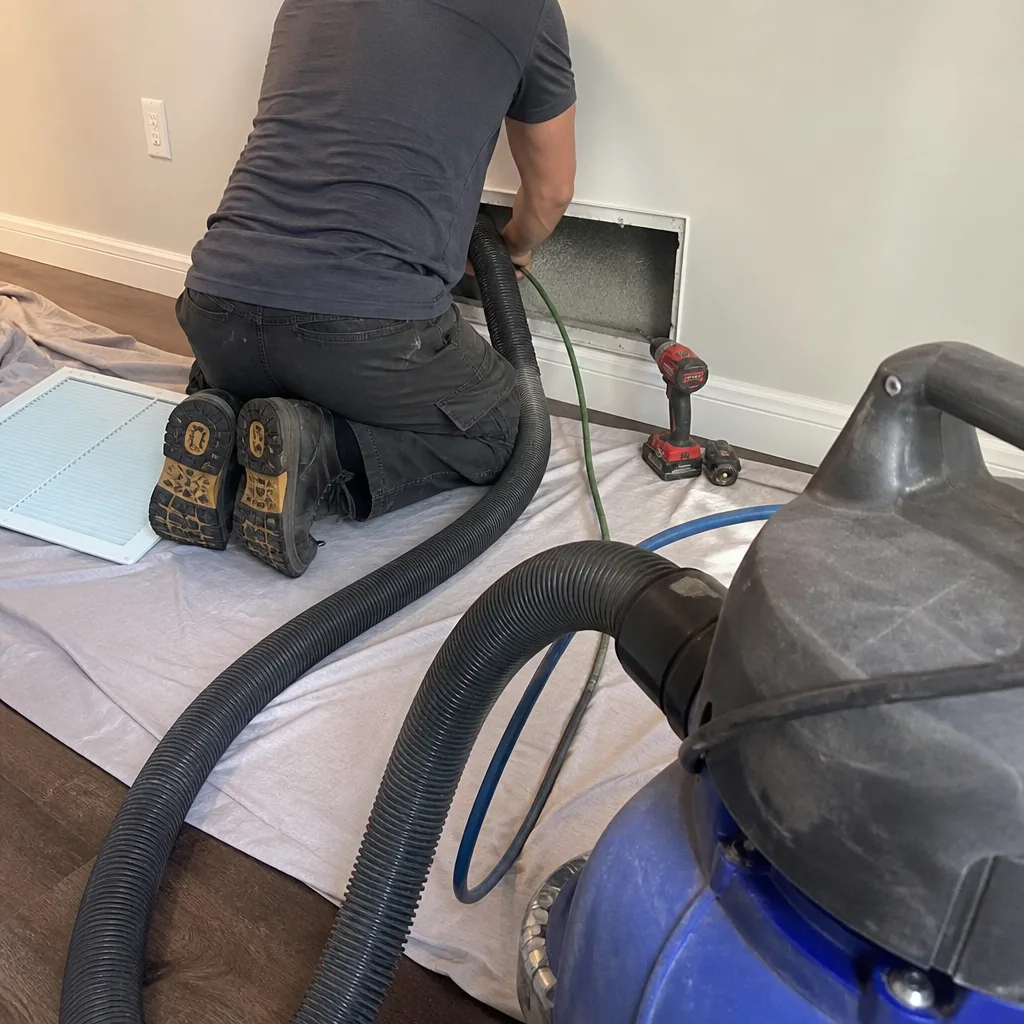
A professional-grade duct cleaning uses negative-pressure extraction. That means the loosened debris goes straight into the vacuum, not back into your living room. The process typically runs like this:
- System assessment. The technician inspects the air handler, coil, blower, and accessible duct runs. They should be able to tell you what they see before they start cleaning.
- Containment and connection. A HEPA vacuum unit – in our case, a Nikro or equivalent professional system – connects to the main trunk line. Abatement Technologies containment units are used to create negative pressure in the system while cleaning occurs.
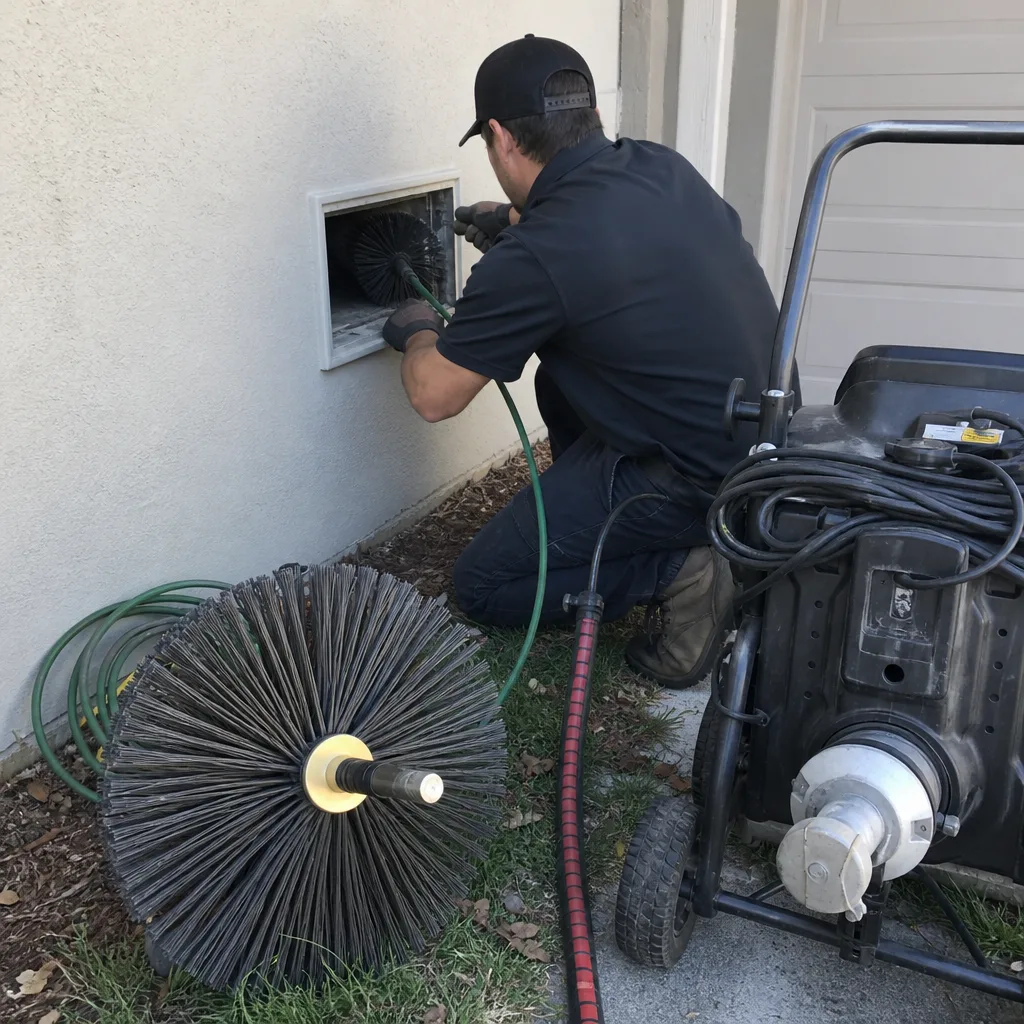
- Agitation. A rotary brush fed through the ducts – the Rotobrush system is the standard here – knocks debris off the interior surfaces. In flex duct, this is done carefully to avoid damaging the interior liner.
- Supply and return cleaning. Every accessible duct run is brushed and vacuumed, including the return risers that are often the dirtiest part of the system.
- Component cleaning. The blower, coil, and air handler interior are cleaned separately. This is part of a full HVAC cleaning, not a quick duct vacuum.
- Final inspection. Before-and-after photos document the condition of the duct interiors, so you’re not taking anyone’s word for it.
A proper cleaning on an average Orlando single-family home takes 3 to 6 hours. If someone quotes you an hour, they’re not cleaning the ductwork – they’re vacuuming registers.
When we clean ducts in Orlando, we document every step with photos so there’s no question about what was done. That’s part of how we operate at Cardinal Air Duct Orlando, and it’s the standard for every job.
What Air Duct Cleaning Costs in Orlando
Pricing transparency is the most common complaint we hear from Orlando homeowners who’ve dealt with duct cleaning companies in the past. The standard industry play is a low coupon price, a technician in the driveway, and then a new price three times higher once the system is inspected. You should never accept that.
A standard whole-home air duct cleaning in Orlando runs $450 to $750 for a typical single-family home with one air handler and 10 to 15 duct runs. See our Air Duct Cleaning Cost Breakdown: The Orlando Homeowner’s Reference for 2026 for full pricing details. Larger homes with two air handlers, or systems with significant contamination or mold remediation, run higher. Here’s a line-item view:
| Service | Typical Orlando Price Range | Notes |
|---|---|---|
| Standard duct cleaning (single system) | $450 – $750 | Includes supply and return ducts, registers, and blower cabinet |
| Duct cleaning plus coil cleaning | $650 – $1,000 | Adds evaporator coil cleaning, critical in Orlando humidity |
| Full HVAC cleaning (ducts, coil, blower, air handler) | $800 – $1,400 | Complete system service, recommended when the system hasn’t been cleaned in 5+ years |
| Dryer vent cleaning | $150 – $250 | Separate service, see Dryer Vent Cleaning in Orlando |
| Mold remediation add-on | $500 – $1,500+ | Depends on extent and duct accessibility |
These ranges reflect Orlando market pricing as of early 2026. The single most important thing is to demand a written price before any work starts. At Cardinal Air Duct Orlando, that’s how every job works. You get a written price – the full price, not a starting point – in your hand before a single duct is touched. It does not change at the door.
We also back every job with the 365-Day Done Right Promise. If the work isn’t right within 365 days, we return and correct it at no charge. That’s not a warranty with fine print – it’s the standard for every booking.
Call (850) 750-6095 for a free estimate on air duct cleaning in Orlando. We’ll give you a written quote before any work begins.
Common Mistakes to Avoid
- Following a national four-season maintenance calendar. Orlando doesn’t have a heating season, and “winterizing” your HVAC means nothing here. You’ll miss the February and October windows that actually matter.
- Using the cheapest 1-inch fiberglass filter all year. During oak pollen season, these filters let most particulate straight into the duct system. A MERV 8 – 11 pleated filter from Honeywell or Guardsman costs a few dollars more and dramatically reduces what ends up inside your ducts.
- Skipping the October post-season inspection. By the time you smell mustiness in the spring, biofilm has had six extra months to develop. October is the cheapest month to catch and address it.
- Hiring based on a coupon price. Orlando is full of duct cleaning flyers advertising $99 whole-house cleans. No legitimate company can perform a proper negative-pressure cleaning for that price. What you’ll get is a register vacuum, and a hard upsell at the door.
- Ignoring the dryer vent. Clogged dryer vents are a fire hazard and a common issue in Orlando homes where laundry rooms sit in unconditioned garages. It’s a separate service from air duct cleaning – don’t assume one includes the other.
- Assuming new construction means clean ducts. Lake Nona, Winter Garden, and other rapidly growing areas see new builds with significant construction debris inside ductwork – drywall dust, sawdust, even insulation scraps. New home doesn’t mean clean ducts.
- Waiting until the summer heat to address airflow problems. Once June hits, every HVAC company in Orlando is booked solid. The February – March window is when systems should be checked and cleaned, before demand spikes and before your system is running nonstop.
When to Call a Professional
If you’ve made it this far and you’re wondering where to start, here’s the short version. Call a professional if your Orlando home hasn’t had a duct inspection in more than two years and you’re heading into the April – October cooling season. Call if you smell mustiness when the system starts, if you see dust accumulating on registers within days of cleaning, if airflow is noticeably weaker in certain rooms, or if someone in the household has respiratory symptoms that improve when they leave the house. Cardinal Air Duct Orlando offers free estimates throughout the Orlando area – call (850) 750-6095 and a live person will answer. You’ll get a written price before any work begins, and the 365-Day Done Right Promise means if it’s not right, we make it right. For more on how we work, see our Cardinal Air Duct Orlando home page.
Frequently Asked Questions
In Orlando, we recommend a professional duct cleaning every 2 to 4 years, adjusted for conditions. Homes with pets, smokers, recent renovation work, or occupants with allergies should lean toward the 2-year mark. Homes with excellent filtration and minimal dust can go 3 to 4 years. The key is the inspection – even if cleaning isn’t due, a visual check in October catches early-stage problems. Call (850) 750-6095 for a free estimate and we’ll tell you honestly whether cleaning makes sense right now.
Because many companies quote a price that covers only vacuuming a few accessible registers, not cleaning the entire duct system. A proper negative-pressure cleaning with rotary brush agitation on a full Orlando home takes 3 to 6 hours and requires professional equipment. If the quote is under $250 for a whole house, someone is cutting corners somewhere. We charge a flat system price and give you a written quote before work begins, so there are no surprises at the door. Call (850) 750-6095 to get a real number for your home.
You should receive before-and-after photos of the interior of your ducts. At Cardinal Air Duct Orlando, photo documentation is standard on every job. The photos show the condition of the duct interiors before cleaning and after, so you’re not relying on trust. You can also ask to see the debris removed – a proper job typically fills a shop vacuum canister with visible debris from an average Orlando home. Call (850) 750-6095 and ask us about photo proof before you book.
It can, especially if the return side of the system has accumulated pollen and dust over multiple seasons. The return duct is the pathway that pulls air from your rooms into the air handler, and it’s where most debris accumulates. If you’ve been running a low-MERV filter during oak and pine pollen season, cleaning the return ducts and upgrading to a MERV 8 – 11 filter will reduce the amount of particulate circulating through your home. Call (850) 750-6095 for an honest assessment of whether cleaning will help in your specific situation.
Yes. Orlando’s climate creates persistent condensation inside ductwork for months at a time, and flex duct – the standard material in most Central Florida homes – absorbs moisture into its interior lining. Once biofilm forms on a damp surface, mold spores have exactly what they need to grow. The October inspection window is designed to catch this before it spreads. If our inspection finds evidence of mold, we’ll show you the photos and give you a written remediation plan before any work begins. Call (850) 750-6095 to schedule an inspection.
You can replace filters, clean registers and return grilles, and vacuum the areas around them. What you can’t do effectively from the homeowner level is clean the interior of the duct runs themselves. The duct interiors require access points and professional negative-pressure equipment – a standard household vacuum won’t generate enough airflow to pull debris from 30 to 50 feet of ductwork, and agitation tools can damage the interior liner if used incorrectly. For the actual interior duct cleaning, call a professional. Call (850) 750-6095 for a free estimate.
The Bottom Line
Orlando’s duct maintenance calendar has two dates that matter: February or March for pre-season prep, and October for the post-peak audit. Everything else follows from those two anchors. Replace filters on a schedule that accounts for Central Florida’s pollen seasons, inspect the system before the cooling load ramps up, and audit it after the long humid season ends. If you do those two things consistently, your ducts will stay in far better shape than the average Orlando home. And when it’s time for a professional cleaning, get a written price before work starts. It’s the only way to know what you’re actually paying for.
Written by Omar Haddad, Owner at Cardinal Air Duct Orlando, serving Orlando since 2005.
See the difference
 Before
 After
After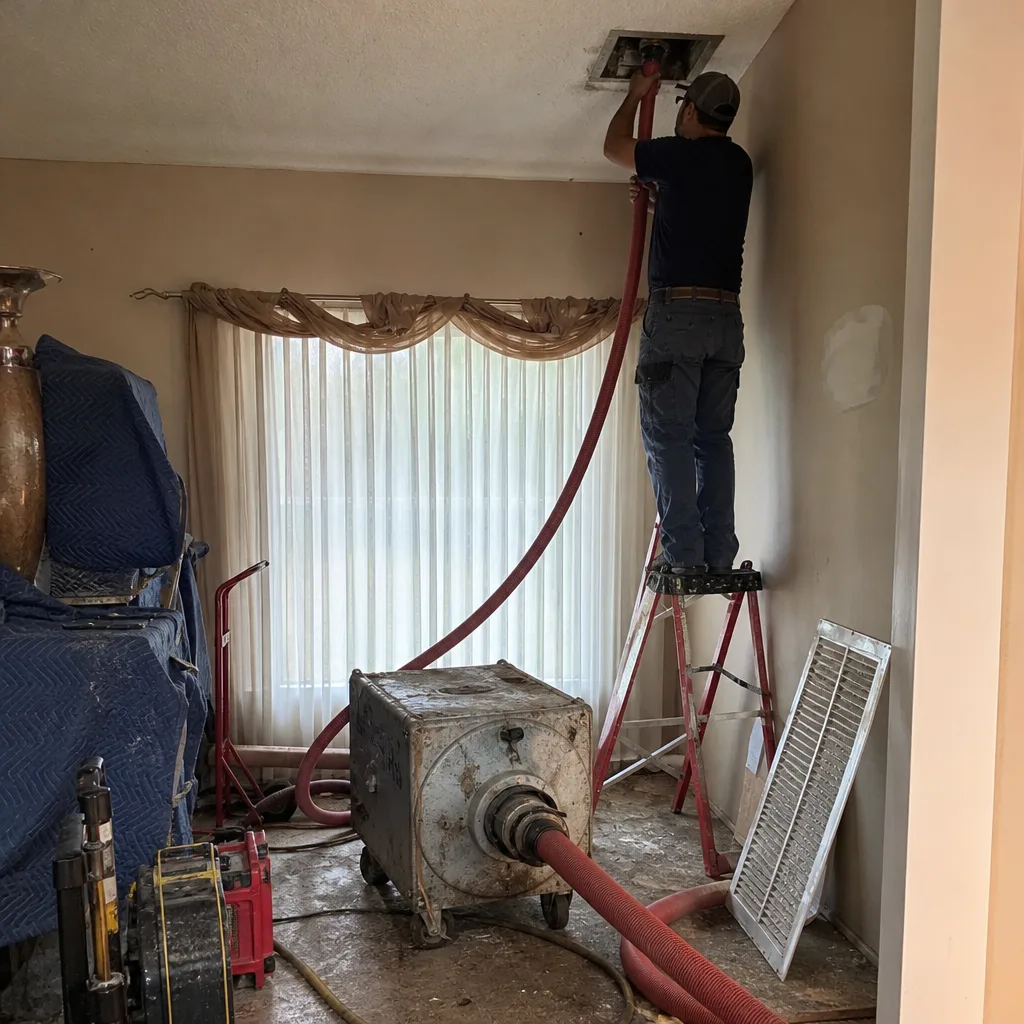 Before
 After
After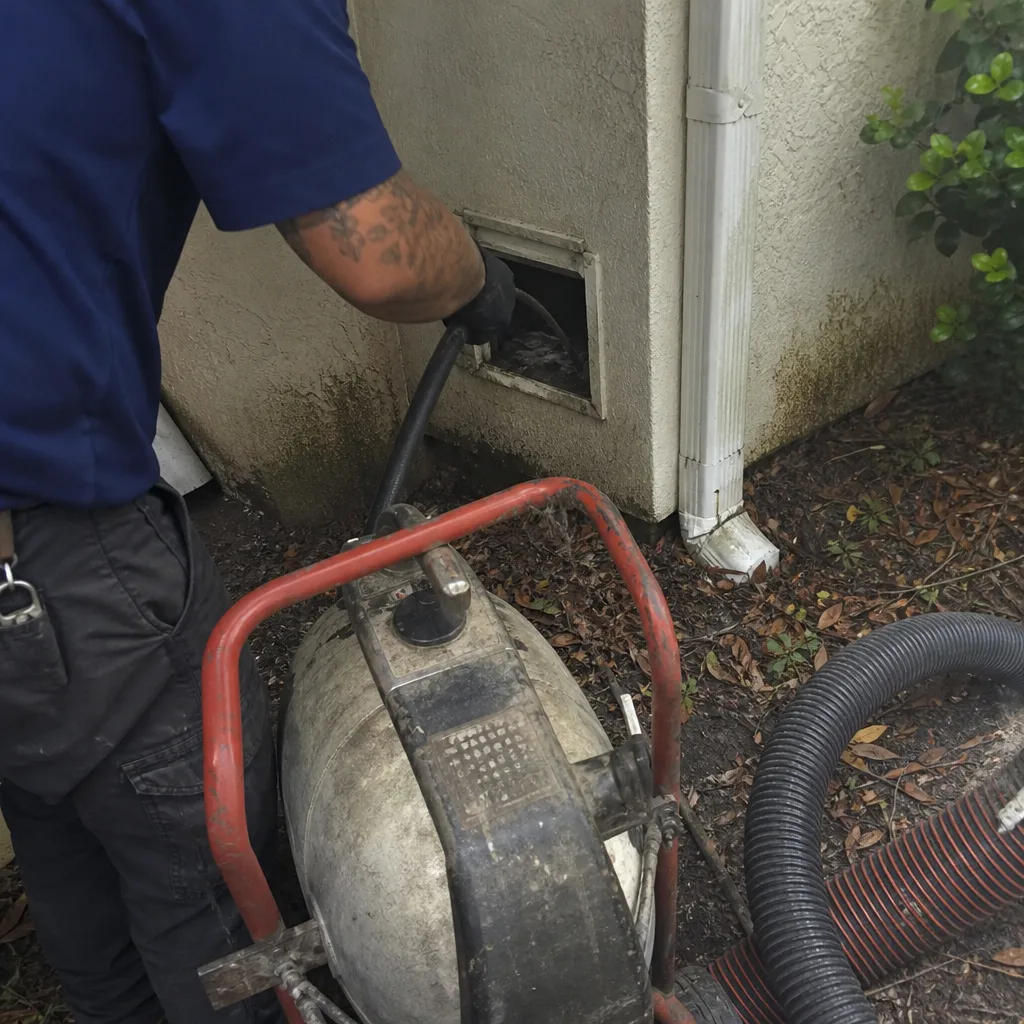 Before
 After
After