
Last updated October 15, 2026
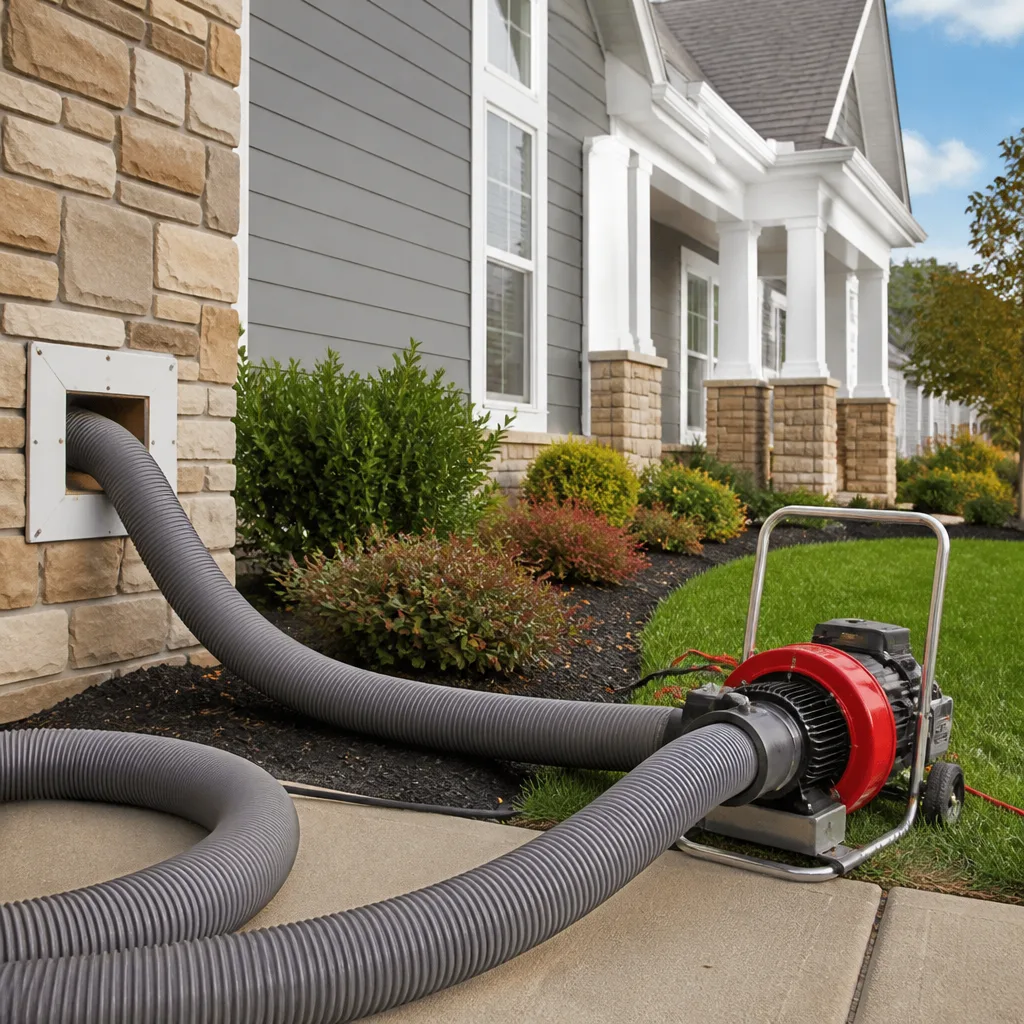 Whole-home duct cleaning
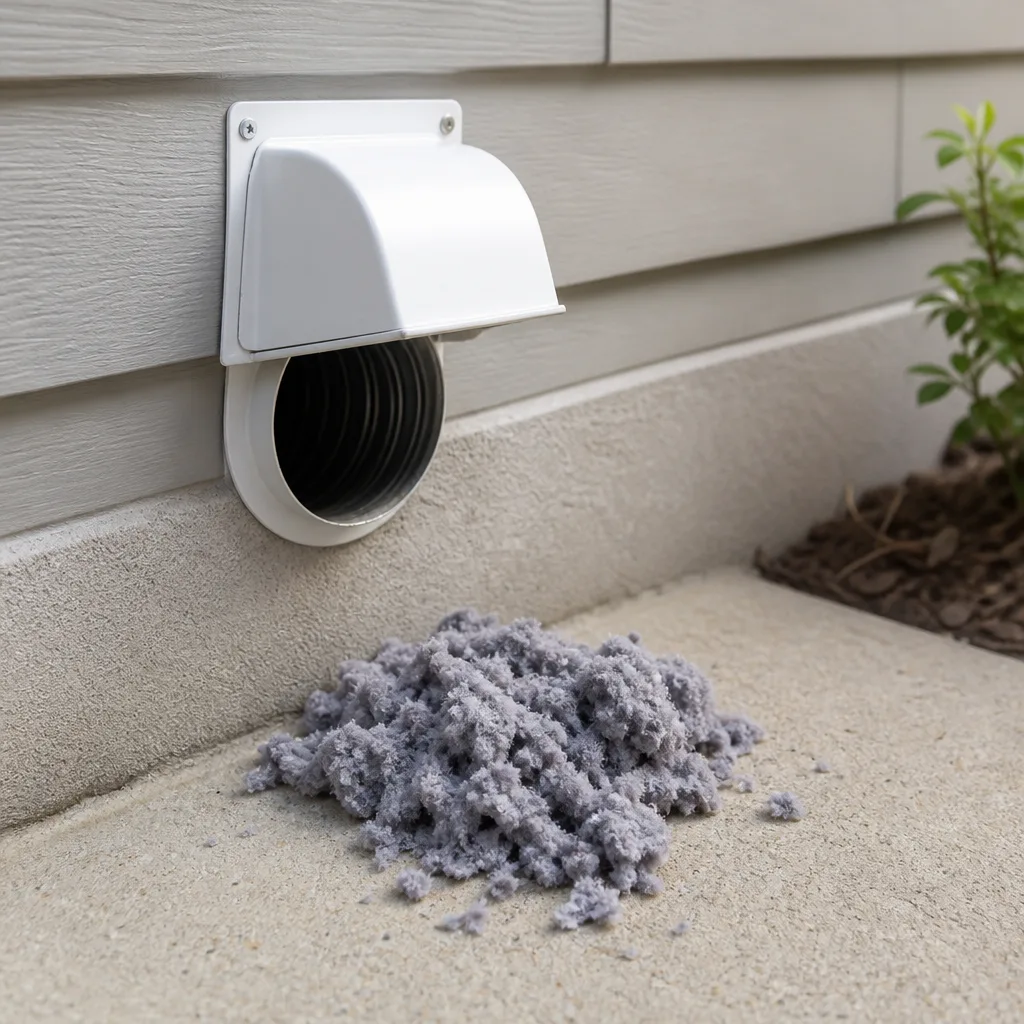 Dryer vent cleaning
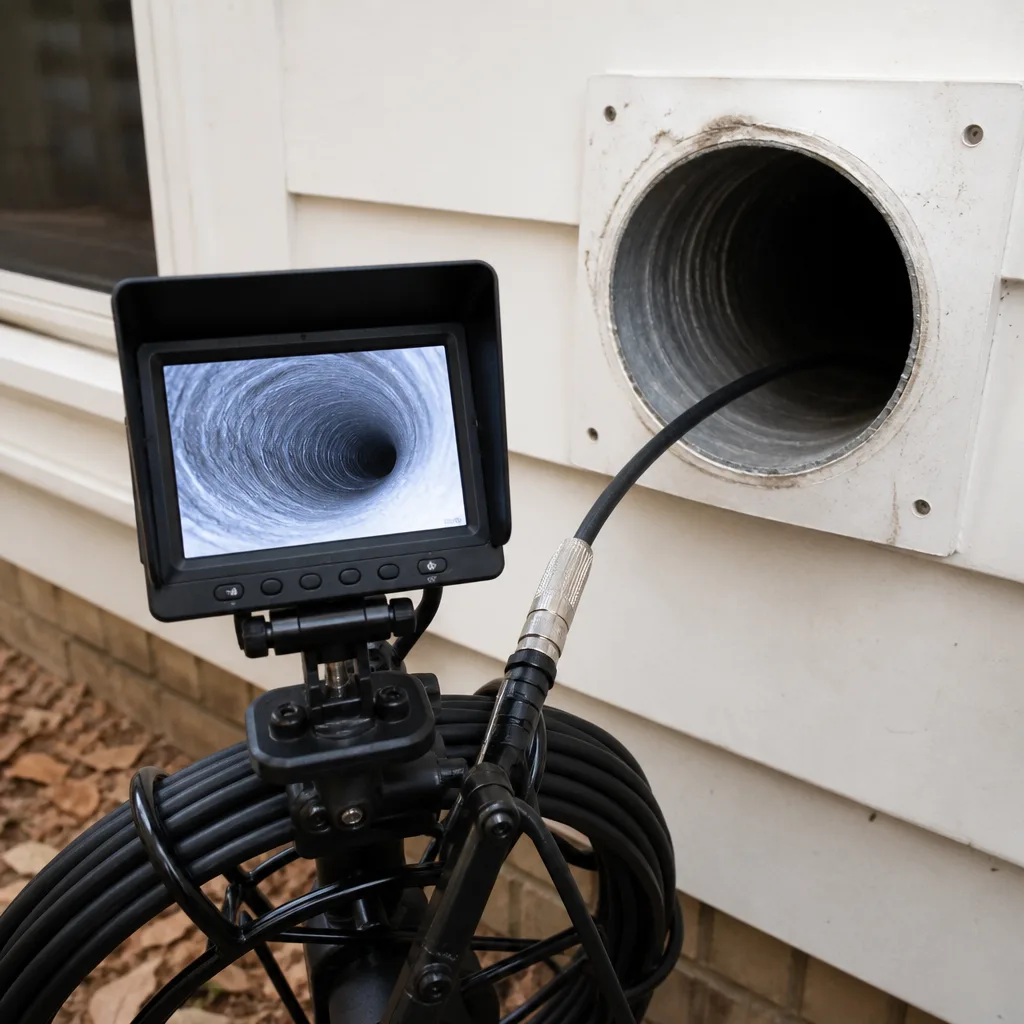 Camera inspection
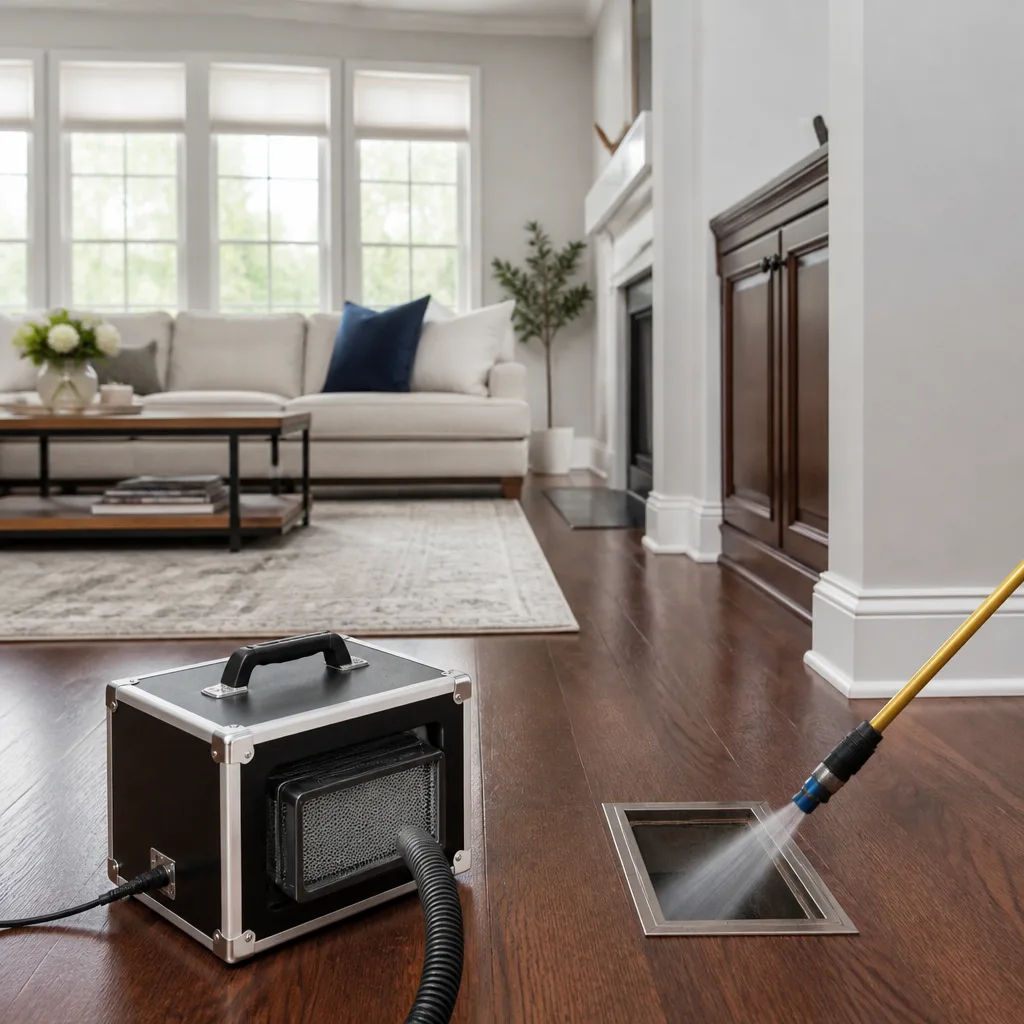 Sanitizing & deodorizing
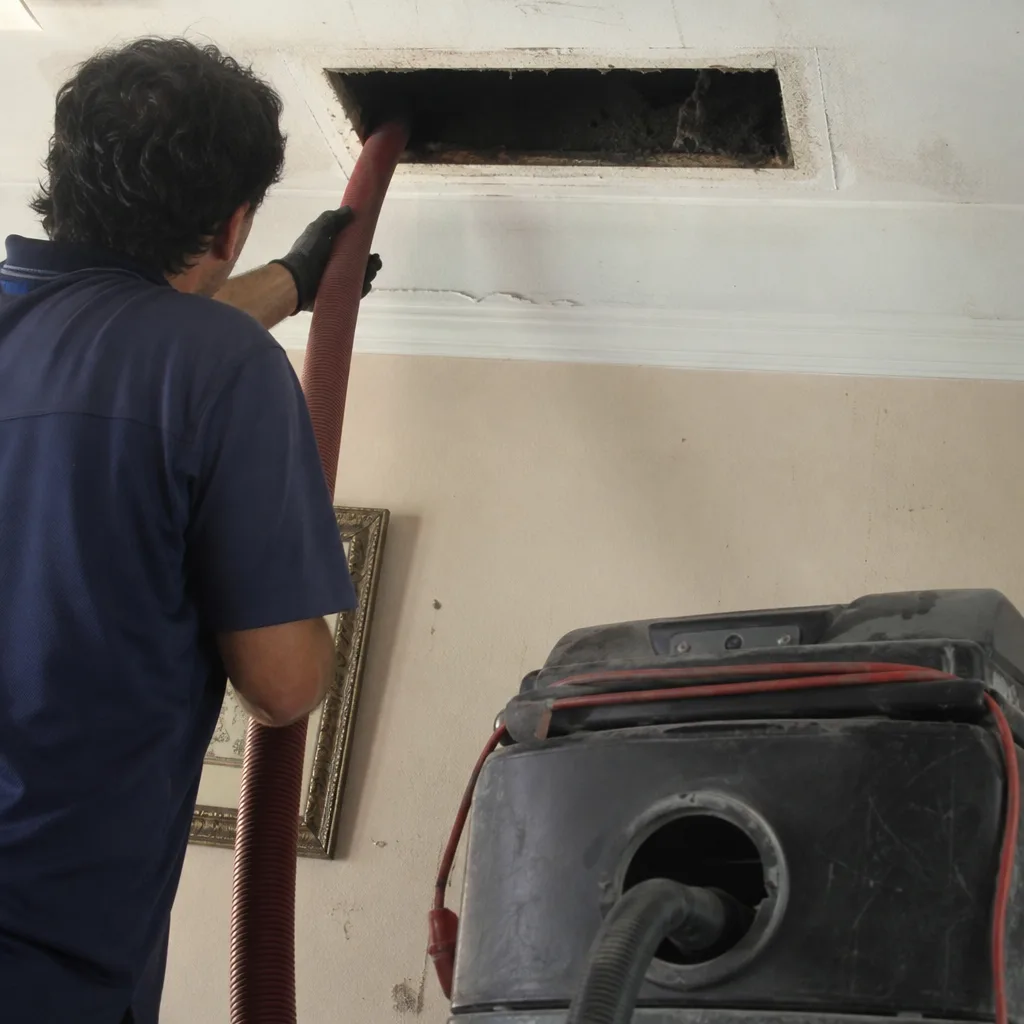
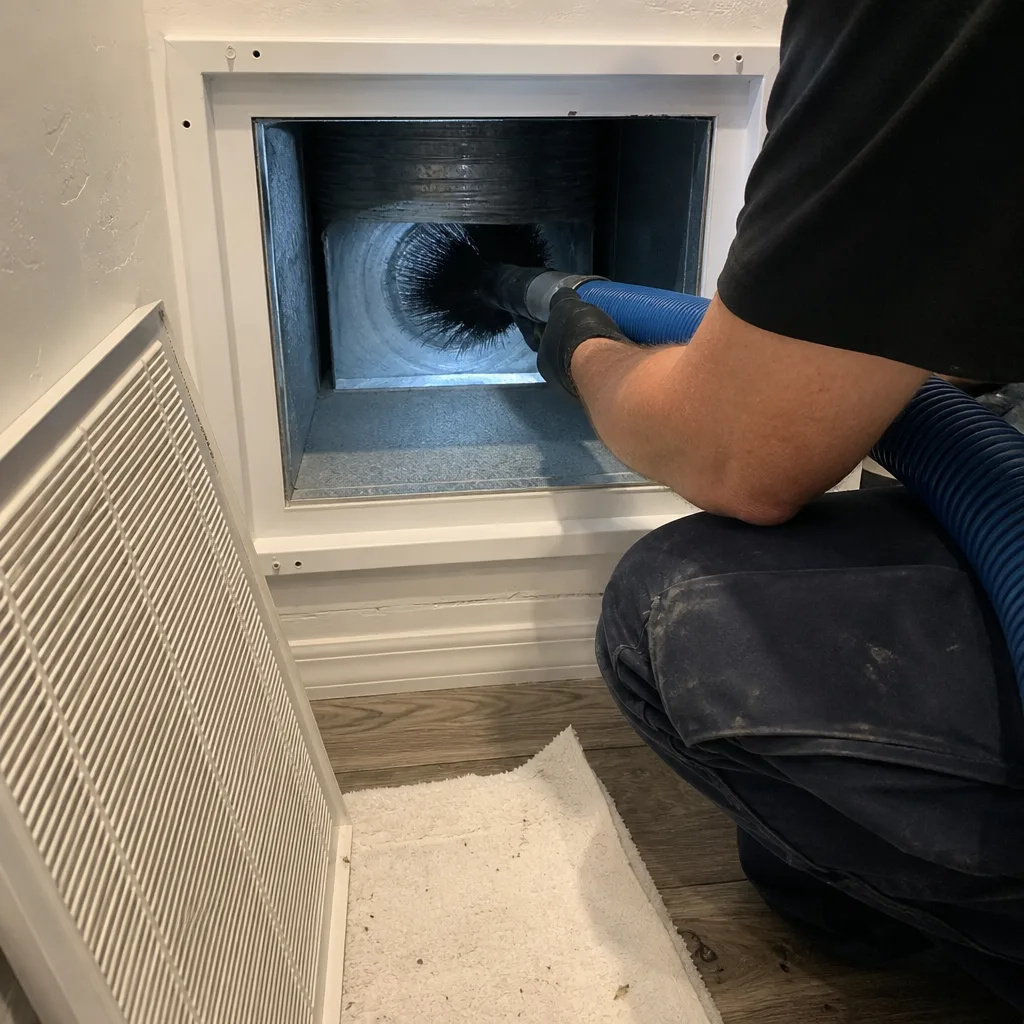
Whole-system duct and dryer vent check with before-and-after photos - you see exactly what came out of your vents
That "$99 whole-house special" is a bait ad - the real number appears once they are in your hallway, or the "clean" is a shop-vac at the register. We photograph the inside of your ducts before and after instead.
Air Duct Cleaning Warning Signs: A Orlando Homeowner’s Reference Guide
Here’s a counterintuitive fact that surprises most Orlando homeowners: a thin layer of gray dust on your supply registers is usually not a warning sign at all. It’s simply what happens when central air runs 10 months a year in a humid climate that never really gives your HVAC system a break. But that same dust ring, paired with a musty odor the first time the AC kicks on after a mild stretch, tells a completely different story. Confusing the two is how homeowners either ignore a genuine problem or get sold a cleaning they didn’t need. This guide will teach you to tell the difference, using the specific signals that matter in Cardinal Air Duct Orlando home climate and housing stock.
Quick Answer
The clearest air duct cleaning warning signs for Orlando homeowners are a persistent musty or mildew odor when the AC cycles, visible mold growth on or near supply registers, dust accumulation on registers within days of cleaning them, drywall or construction debris visible inside the duct openings, and condensation dripping from vent boots during humid weather. If you’re noticing any of these, the ducts likely need Air Duct Cleaning or professional evaluation. A simple visual and nose test, described below, will tell you in about ten minutes whether you’re dealing with normal Florida dust or a real problem.
Styles & brands we work with
Table of Contents
- What’s Normal Dust and What’s a Warning Sign in Orlando
- The Nose Test: Identifying Biofilm and Mold Odor Events
- The Visual Test: What to Look For at Registers and Returns
- Florida Humidity Signals: Condensation, Fogging, and Soft Flex Ducts
- Post-Renovation Debris: The Warning Sign Contractors Never Mention
- New Home Buyers in Orlando: Why 2-Year-Old Ducts May Already Be Dirty
- The Simple Airflow Test: Distinguishing Dirty Ducts from HVAC Capacity Issues
- Common Mistakes to Avoid
- When to Call a Professional
- Frequently Asked Questions
What’s Normal Dust and What’s a Warning Sign in Orlando
Orlando’s climate creates a dust profile unlike almost anywhere else in the country. High humidity means airborne particles stick to damp surfaces, pollen seasons run long, and your AC system filters air around the clock. That means every home with central air will show some dust at the registers. The question is whether what you’re seeing is cosmetic or diagnostic.
Cosmetic dust accumulates evenly and slowly. It appears as a thin, uniform gray film on the outside of the register grille and washes away with a damp cloth. When you wipe it, what’s left behind is clean metal. This is normal. The air handler fan spins constantly in summer, and the return side pulls household dust toward the registers as air cycles through rooms.
A warning sign looks different. If the dust reappears on the register face within 3 to 5 days after you wipe it, you’re not seeing normal settling, you’re seeing the duct system actively depositing debris. If the dust has a clumped or sticky texture, or if it forms on the ceiling around the register rather than on the grille itself, that indicates moisture inside the duct run. In Orlando’s humidity, dust plus moisture equals biofilm, and biofilm is the precursor to mold. If the dust wipes away to reveal a dark stain on the metal or drywall around the boot, that’s not dust at all. That’s mold growth feeding on the condensation that gathers at the supply opening. That warrants a professional evaluation, and quickly.
Here’s the practical rule we give homeowners in Orlando: wipe your register grilles, note the date, and check them again in five days. A faint film is normal. A visible accumulation identical to what you wiped away is not. That’s the system recirculating what’s inside the ductwork.
The Nose Test: Identifying Biofilm and Mold Odor Events
The most reliable warning sign you can detect doesn’t require any tools. Your nose knows when something is growing inside a duct system, and in Florida, growth is the most common duct problem that gets missed. Here’s how to run the test correctly.
- Turn the AC fan to ON at the thermostat, not AUTO. This keeps air moving even when the compressor isn’t cooling, which lets you isolate the smell of the ductwork itself from the smell of the AC coil.
- Close your windows and doors for 30 minutes with the fan running. You want the system to pressurize the duct runs and push whatever is inside toward every room.
- Stand in a room farthest from the air handler and breathe normally through your nose. Don’t sniff actively. The problem odor will find you, especially near a supply register while air is actively blowing.
- Repeat in each room, paying attention to whether the smell is constant or intermittent. Intermittent odor tied to the fan cycle is a system issue. Constant odor that doesn’t change with the fan is more likely a room-by-room moisture issue.
Now, what are you smelling for? A musty, earthy, or “dirty sock” smell is biofilm. Biofilm develops when dust and organic particles inside ductwork absorb moisture from Orlando’s ambient humidity, creating a damp environment where bacteria and mold spores colonize. It’s particularly common in flex duct runs in attics, where condensation collects on the inner liner. This odor is most noticeable when the system first cycles on after the house has been empty or the thermostat has been set higher for a few hours.
A sharp, chemical smell is different. That’s more likely a refrigerant leak at the evaporator coil, not a duct problem, and it needs an HVAC technician, not a duct cleaning. A burning or dusty smell that occurs only the first time the heat runs in our short “winter” is usually just the heat strips burning off the summer’s accumulation. Give it one cycle. If the smell returns the second time, it’s worth investigating.
We’ve run the nose test on hundreds of homes across Orlando, and the biofilm odor is unmistakable once you’ve smelled it. The good news is that professional-grade cleaning, done with the right equipment, removes the organic material that supports that growth, as explained in The Complete Guide to Air Duct Cleaning in Orlando. The duct system doesn’t need to be replaced because it smells. It needs to be cleaned thoroughly, and the moisture source needs to be identified so the problem doesn’t return.
The Visual Test: What to Look For at Registers and Returns
The visual test is the second half of your DIY assessment. You’ll need a flashlight, a screwdriver, and about fifteen minutes. No special knowledge required, just a willingness to look closely at what’s normally out of sight.
- Remove two or three supply register covers in different rooms. Choose the rooms farthest from the air handler first, since debris tends to concentrate at the end of long duct runs.
- Shine the flashlight into the duct opening and look past the boot into the first few inches of the run. You’re looking for three things: visible dust accumulation on the duct wall, gray or white fibrous material that looks like lint, and any dark spots or staining.
- Wipe a finger along the inside of the duct boot, the metal collar that connects the register to the flex duct. If your finger comes away with a thick, greasy film, that’s oil-based household contaminant mixed with dust. If it comes away with a thin, dry powder, that’s normal.
- Check the return grille in the hallway or main living area. The return side often shows buildup more dramatically because it pulls air from the house. Thick gray felt-like accumulation on the back of the return grille means the filter isn’t doing its job or hasn’t been changed on schedule, and that contamination is entering the system.
Two findings demand action. First, visible mold. In Orlando, mold in ductwork is rarely black. It’s usually gray-green or white and appears as small speckled patches on the duct liner or boot. If you see it, don’t disturb it by wiping. Leave it in place and call for professional evaluation. Second, construction debris. If you see visible chunks of drywall, large dust boulders, or insulation batts inside the duct opening, that’s mechanical contamination from construction or renovation, and it won’t resolve on its own.
A thin, even layer of dust on the duct wall is normal for a 3 to 5 year old system that has never been cleaned. It’s not an emergency, but it’s also not optimal for air quality or system efficiency. The difference between “clean eventually” and “clean now” is whether anything in that dust is actively growing or actively circulating back into the living space.
Florida Humidity Signals: Condensation, Fogging, and Soft Flex Ducts
Orlando homeowners deal with duct problems that homeowners in drier climates will never see. Humidity is the variable that turns a minor dust issue into a functional duct failure, and the warning signs are specific to how our homes are built and how they breathe.
The first signal is condensation dripping from supply boots. Supply boots are the metal fittings behind your registers, and they carry chilled air. In Orlando’s humid months, the boot itself can reach temperatures below the dew point of the surrounding attic air. When that happens, moisture condenses on the outside of the boot and drips onto the drywall around the register. You’ll notice a water stain or bubbling paint on the ceiling near a vent. This is not a plumbing leak. It’s a duct insulation failure, and it means the boot has lost its seal or its insulation wrap. The result is moisture inside the ceiling cavity, and in Florida, that means mold inside the duct lining and likely in the surrounding materials.
The second signal is fogging from supply vents on humid mornings. If you see a visible mist coming from your registers when the AC first starts, that’s the cold, conditioned air hitting warm, saturated room air. A small amount is normal. But if you see fogging regularly, or if it’s accompanied by a musty smell, the duct system is delivering wet air, which means moisture is lingering inside the runs. That moisture is what biofilm needs to establish itself.
The third signal is soft flex ducts in the attic. Flex ducts are the insulated, flexible tubing that carries conditioned air from the main trunk to each room. Over time, especially in hot Florida attics, the outer insulation degrades. If you’re in the attic and you can compress a flex duct easily with your hand, the insulation value is compromised. A compromised flex duct sweats on the inside, particularly where it sags. That internal condensation supports mold growth inside the duct liner and creates the musty odor that comes through the registers.
We tell Orlando homeowners to walk the attic twice a year, once in spring before the rains, once in fall. You’re looking for drooping ducts, condensation stains on the ceiling below, and any duct that feels soft when you press it. These are early warning signs that the duct system is not performing and may be contributing to whatever you’re smelling inside the house. Addressing them early, with professional Air Duct Cleaning in Orlando and proper resealing, is far less expensive than replacing mold-damaged drywall.
Post-Renovation Debris: The Warning Sign Contractors Never Mention
Orlando’s housing market runs on renovation. Whole neighborhoods of mid-century block homes are being remodeled, and new builds are going up on every available lot. What almost no contractor tells the homeowner is that renovation debris enters the duct system during construction, and it stays there until someone removes it.
Here’s what happens. During a renovation, the HVAC system is often left running to keep workers comfortable. Even when it’s turned off, the registers are almost never sealed. Drywall dust, which is fine enough to stay suspended in air for hours, drifts into every opening. Paint overspray, sanding dust from flooring, insulation fibers from attic work all find their way into the return and supply registers. Once the renovation is done, the homeowner changes the filter, runs the system, and assumes everything is clean. What’s actually happened is that a significant volume of fine construction dust has settled inside the duct runs, coating the walls and accumulating at every turn.
The warning sign is specific: fine white or gray dust that appears at the registers within days of the project wrapping up, especially if it recurs after you’ve cleaned the register. Drywall dust is heavier than household dust. It tends to clump and form a chalky residue rather than a fine film. If you wipe a register and the residue smears like plaster, that’s drywall dust coming from inside the ducts. Paint overspray shows up as tiny flecks of color in the register dust. Insulation fibers look like small glassy threads, often pink or yellow.
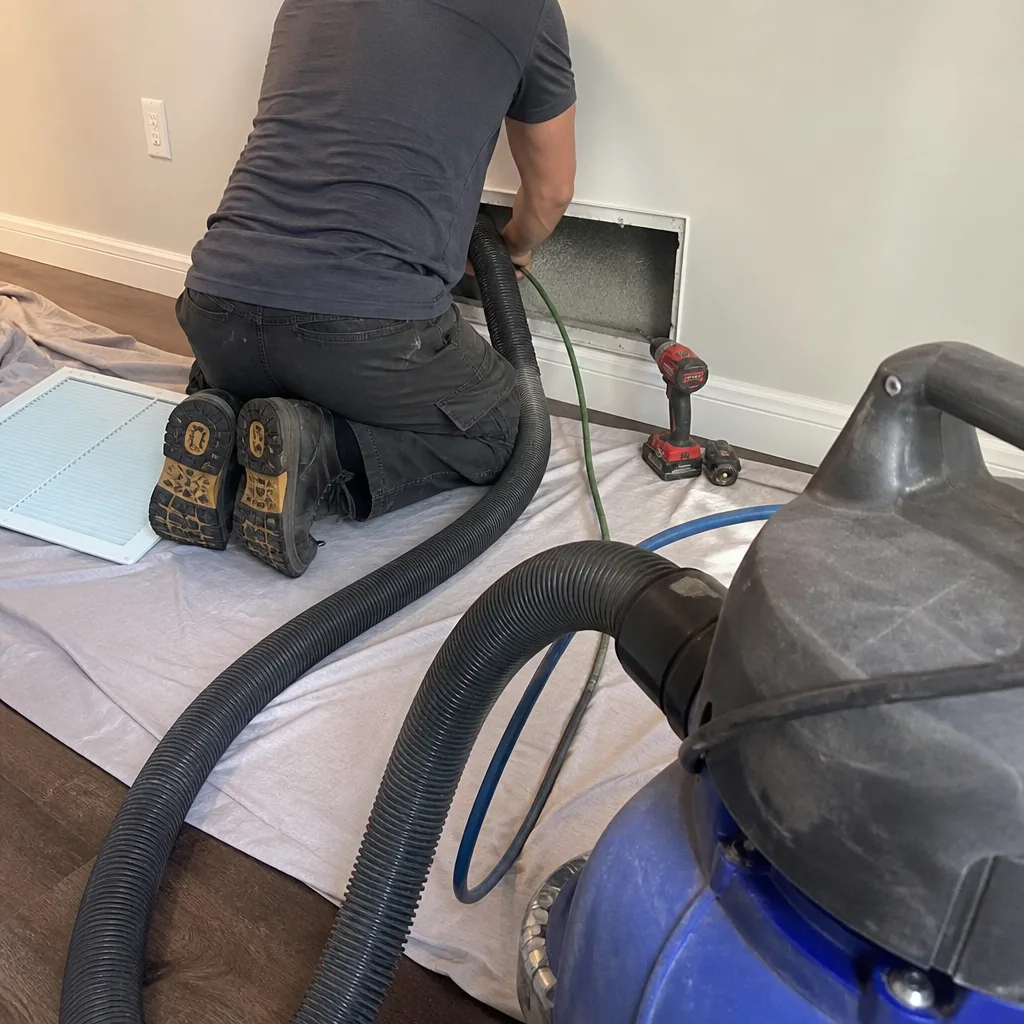
If you’ve recently renovated in Orlando, the single best thing you can do for your indoor air quality is have the ducts professionally cleaned after the project is complete, rather than attempting DIY work covered in DIY vs Professional Air Duct Cleaning: The Orlando Homeowner’s Decision Guide. We use negative-pressure extraction, which means the loosened debris goes directly into a HEPA filtered vacuum rather than back into your living room. This is not a cosmetic preference. Drywall dust inside ducts is abrasive. It accelerates wear on the blower motor. It traps moisture more readily than ordinary household dust, which means it provides a better substrate for mold in Florida’s humidity. And it circulates through every room every time the fan runs.
This is also why HVAC Cleaning in Orlando matters after renovation, not just duct cleaning. The evaporator coil, the blower wheel, and the drain pan all collect the same debris, and they need to be cleaned as a system for the result to hold.
New Home Buyers in Orlando: Why 2-Year-Old Ducts May Already Be Dirty
If you bought a newly built home in Orlando within the last two or three years, you may have assumed the ducts are clean because, well, the house is new. That assumption is wrong more often than most buyers realize. New construction leaves ducts in worse condition than many 10-year-old homes.
The reason is simple: builders run the HVAC system during construction, and the registers are rarely sealed. The same drywall dust and debris problem we described in renovations happens during the initial build, and often on a larger scale. Sheetrock installers, painters, tile setters, and flooring crews all generate dust that enters the open duct runs. In many cases, actual construction trash ends up inside the ducts. We’ve pulled out scraps of drywall, soda cans, wood offcuts, and once, a painter’s rag, from ducts in homes that were less than two years old.
The warning signs in new construction are the same as renovation: persistent fine dust at the registers, dust that returns days after cleaning, and sometimes a faint musty odor that appears when the system runs. But in new homes, there’s an additional tell. Often, the register grates themselves will show an uneven dust pattern. One register in the house will be significantly dustier than the others because it’s the end of the longest duct run, and construction debris has collected there like sediment at the bottom of a pipe.
We tell new home buyers in Orlando to make a duct inspection part of their first-year punch list. Before the builder’s warranty expires, check the registers, look inside the boot with a flashlight, and if you see anything other than clean metal, ask about cleaning. Some builders will cover a cleaning as part of the warranty negotiation. Others won’t, but at least you’ll know what you’re breathing.
A related issue for buyers of older Orlando homes: HVAC replacement. If the previous owner replaced the AC system without cleaning the ducts, the new system is now blowing air through decades of accumulated contamination. Duct cleaning after an HVAC replacement is a smart one-time investment that protects the new equipment.
The Simple Airflow Test: Distinguishing Dirty Ducts from HVAC Capacity Issues
One of the most common questions we hear from Orlando homeowners is whether their dusty ducts or weak airflow are connected. They’re often connected, but not always, and the distinction matters because the solutions are very different. A dirty system can cause weak airflow. An undersized or failing compressor can cause weak airflow. Before you spend money on either service, there’s a test you can run yourself.
Here’s the setup. You’ll need a piece of tissue paper or a single square of toilet paper, and ideally, an inexpensive infrared thermometer, the kind that costs about twenty dollars at any hardware store. Run the AC for at least fifteen minutes to let the system reach steady state, then test each supply register in the house.
Hold the tissue paper about two inches from each supply register. It should flutter actively when the fan is running. In a healthy system, every register shows roughly the same flutter intensity. If some registers show strong airflow and others show barely a flutter, the problem is likely not the AC equipment, it’s a duct issue. Debris accumulation inside the duct run, crushed or sagging flex ducts, or disconnected runs are the usual causes. Airflow that’s weak everywhere suggests a blower issue or an undersized system, which is an HVAC diagnosis, not a duct cleaning.
Now the temperature test. At the return grille, take a temperature reading of the air entering the system. Then at each supply register, read the temperature of the air leaving. In a properly functioning Orlando system, the supply air should be 15 to 20 degrees cooler than the return air. You can measure this with the infrared thermometer. If the temperature split is in that range, the air conditioner is doing its job, and weak airflow in specific rooms points back to the ducts. If the split is smaller than 15 degrees, the problem is likely with the AC equipment itself, and you’ll need an HVAC technician.
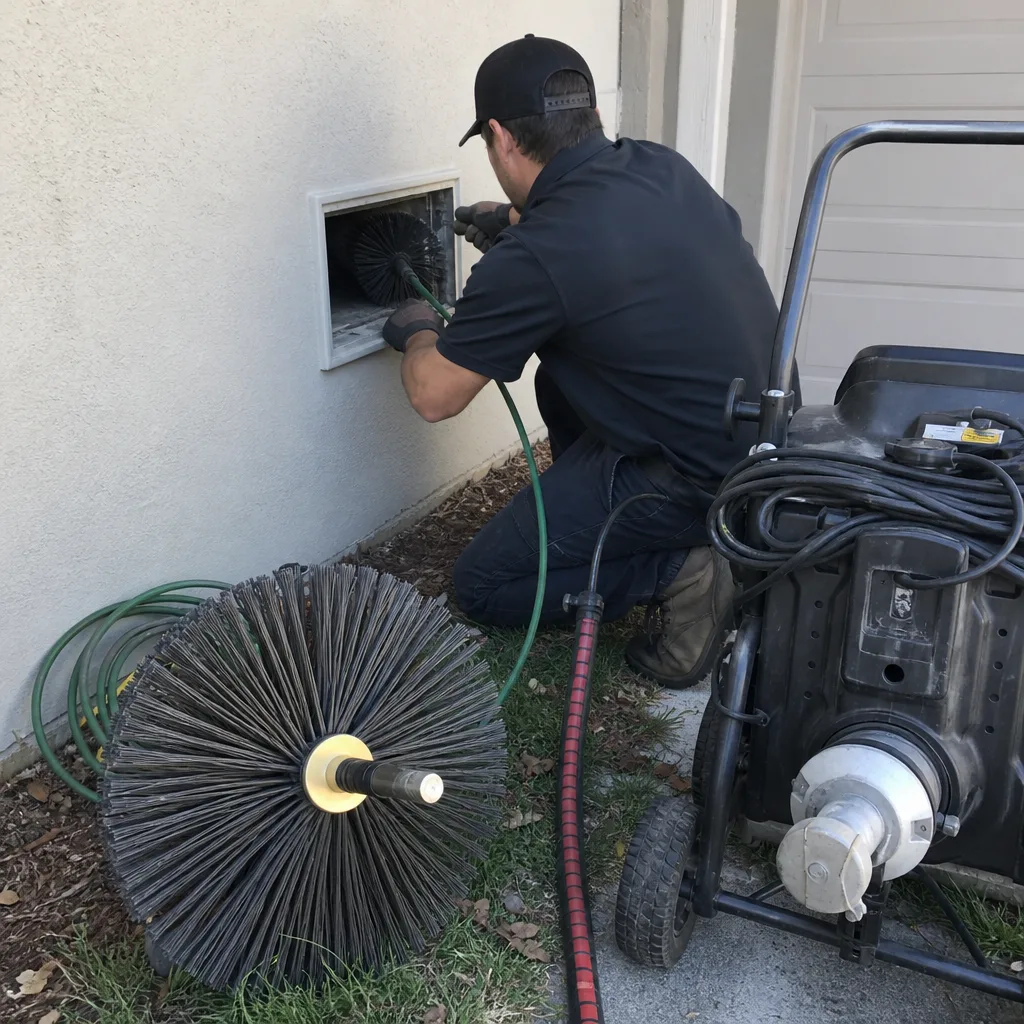
The reason this matters: a dirty duct system can feel like an AC problem. Rooms that never get cool, a system that runs constantly, high utility bills, dust you can’t seem to get ahead of. But the fix is different. If the ducts are the problem, professional cleaning with a Rotobrush rotary brush system and Nikro HEPA vacuum extraction restores the airflow without touching the AC equipment. If the AC is the problem, cleaning the ducts won’t change the temperature split, and you’ll have spent money without solving the issue. The tissue and temperature tests tell you which path you’re on.
We also recommend checking the Dryer Vent Cleaning in Orlando while you’re in assessment mode. A clogged dryer vent is a different system from your HVAC ducts, but the airflow principle is the same, and a restricted dryer vent is a fire hazard as well as an efficiency problem.
Common Mistakes to Avoid
- Assuming any dust means the ducts need cleaning. In Orlando, a thin dust film on registers is normal. Wipe, wait five days, and recheck. Recirculating dust that returns quickly is the actionable signal, not the initial film itself.
- Ignoring a musty smell because it’s intermittent. Biofilm odor is often most noticeable at the start of a cooling cycle and fades as the system runs. Homeowners who wait until the smell is constant are waiting until the growth is entrenched and more expensive to remediate.
- Using a shop vac or registering cleaning kit to clean ducts yourself. A standard vacuum can’t reach more than a few feet into the duct run and can’t create the negative pressure needed to prevent debris from blowing back into the room. You’re moving dust, not removing it.
- Closing registers in unused rooms to save energy. This raises static pressure in the duct system, which stresses the blower and can pull humidity through any small gap in the ductwork. In Florida, that means more condensation issues, not less energy use.
- Having the AC replaced without checking duct condition. A new high-efficiency system connected to old, debris-laden ducts is a false economy. The system works harder, the filter clogs faster, and any existing mold continues to circulate.
- Believing a low per-vent price is a good deal. Duct cleaning in Orlando is priced by the system, not per vent. Bait pricing that starts at a per-vent figure almost always escalates once the technician is on site. Get a written, whole-system price before any work begins.
When to Call a Professional
Several findings warrant a professional assessment rather than continued monitoring. Visible mold on or inside duct boots, persistent musty odor confirmed by the nose test, dust that returns within days of cleaning, condensation stains at registers, drywall dust after renovation or new construction, and airflow that is significantly weaker in some rooms than others are all signals that the duct system needs attention. If you’ve run the tests in this guide and you’re seeing any of these, the next step is a professional evaluation with equipment that can see and clean what you can’t reach. Cardinal Air Duct Orlando offers free estimates throughout the Orlando area, and every job includes a written price before any work begins. Call (850) 750-6095 to schedule an assessment.
Frequently Asked Questions
Most standard air duct cleaning in Orlando runs $350 to $600 for a single-system home of 1,500 to 2,500 square feet. Larger homes with two systems or extensive flex duct runs typically run $600 to $1,000. The price includes all supply and return ducts, the main trunk lines, and the return drop. If the HVAC system also needs cleaning, such as the evaporator coil or blower wheel, that’s typically quoted as part of a combined service. Avoid per-vent pricing models, which almost always inflate once the technician is on site. Call (850) 750-6095 for an exact written quote; estimates are free.
Cheap duct cleaning quotes in Orlando usually come from companies using a shop vac or a small portable vacuum rather than professional extraction equipment. The job takes less time, costs less to run, and achieves far less. In some cases, the low price is a deliberate underbid that escalates once the technician arrives and claims to have found mold, extra vents, or additional returns. We quote a single flat price per system, we hand it to you in writing before any work starts, and it does not change at the door. That’s the whole point of our written-price standard.
A reputable Orlando duct cleaning company will provide before-and-after photo documentation of the inside of your ducts. Ask for this before booking. If a company can’t or won’t provide photos, you have no way to verify the work. We photograph every duct run before and after cleaning with a camera probe that reaches the full length of each run. The photos are included in your digital invoice, and you can review them from your phone before you pay. That’s part of The Relay Standard, the booking experience that every Relay Home Co. location, including Cardinal Air Duct Orlando, is held to.
Every 3 to 5 years is a reasonable interval for most Orlando homes, though homes with pets, allergy-sensitive occupants, recent renovation, or visible mold growth may need it more frequently. The climate itself is a factor. Our humidity accelerates biofilm formation, which shortens the duty cycle compared to drier regions. If you’ve never had your ducts cleaned and the home is older than 5 years, a single professional cleaning establishes a baseline, and after that, the interval becomes easier to judge based on how the system behaves.
Professional air duct cleaning removes the dust and organic material that supports odor-causing biofilm, which resolves the musty smell in most cases. However, if the odor is coming from a refrigerant leak at the coil, a drainage problem at the pan, or ongoing condensation inside a failed flex duct, the underlying cause must also be addressed. A thorough cleaning, combined with inspection of the duct insulation and drainage, solves the odor at its source rather than masking it. We use HEPA-filtered negative pressure extraction, which means the loosened contamination leaves the home entirely rather than being redistributed through the living space.
You can perform a basic inspection with a flashlight and the tests described in this guide, and that’s sufficient to identify most warning signs. What you can’t see without professional equipment is the full length of the flex duct runs, the inside of the main trunk line, and the condition of the evaporator coil. We use a camera probe that travels the full length of each duct run, and equipment from Rotobrush for mechanical agitation and Nikro for HEPA filtration. If your visual inspection finds anything concerning, a professional assessment will confirm what’s happening in the sections you can’t reach.
The Bottom Line
Orlando’s climate turns dust into a more complicated problem than it is elsewhere. Humidity feeds biofilm, construction debris hides in new builds, and condensation signals failing insulation before it becomes a mold problem. The warning signs in this guide, the nose test, the visual test, the airflow test, give you a way to distinguish normal from actionable without spending money on an inspection you don’t yet need, and you can find more guides & resources on our blog. When the findings point to the ducts, the fix is straightforward: professional cleaning with real extraction equipment, a written price before work starts, and photo proof that the job was done. That’s how you protect your air quality without becoming a panic buyer.
Written by Omar Haddad, Owner at Cardinal Air Duct Orlando, serving Orlando since 2005.
See the difference
 Before
 After
After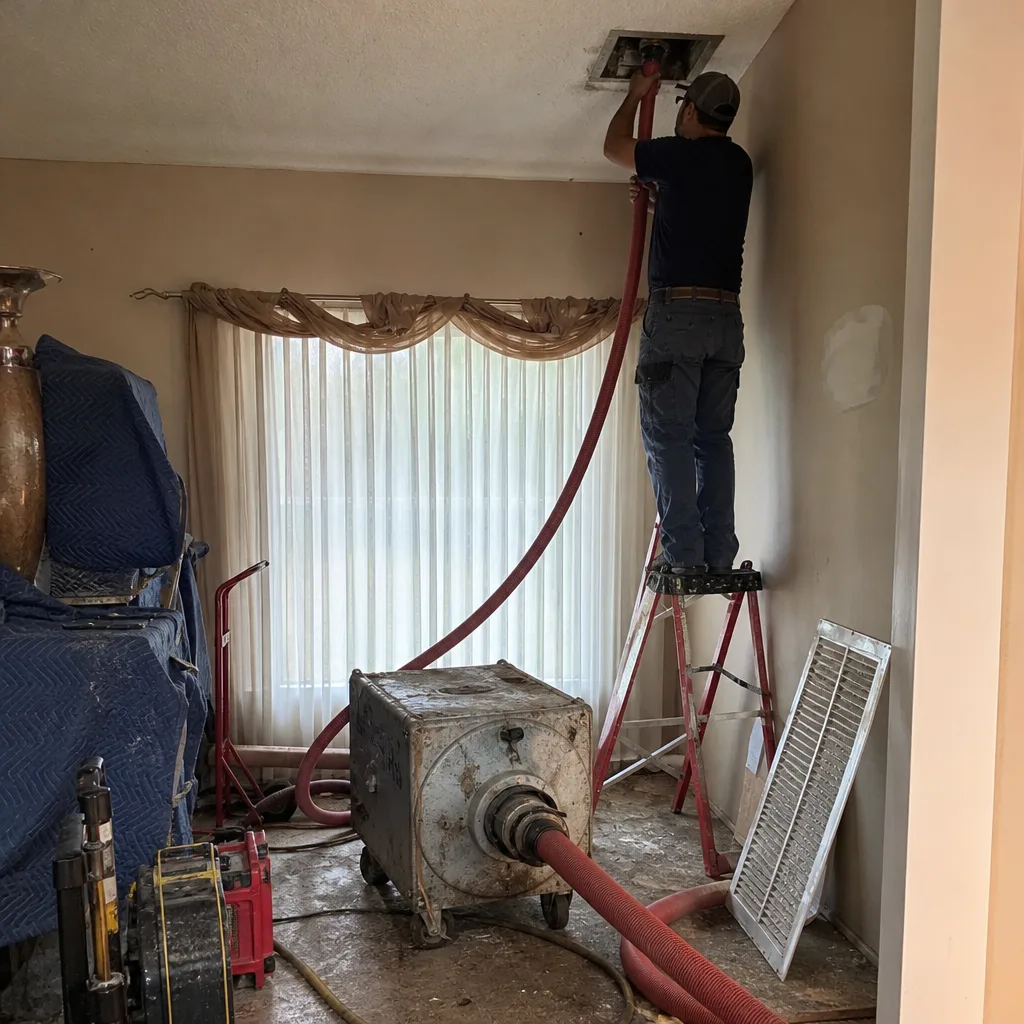 Before
 After
After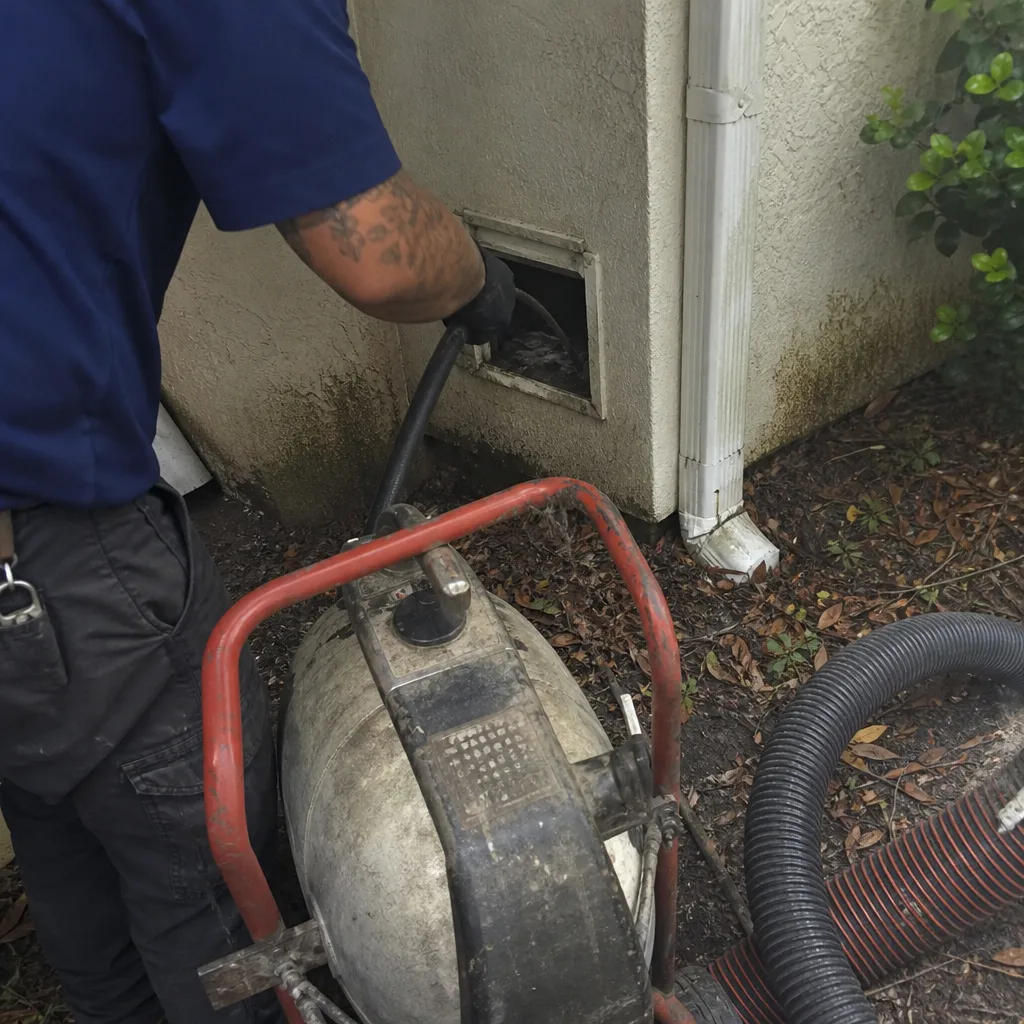 Before
 After
After