
Last updated October 15, 2026
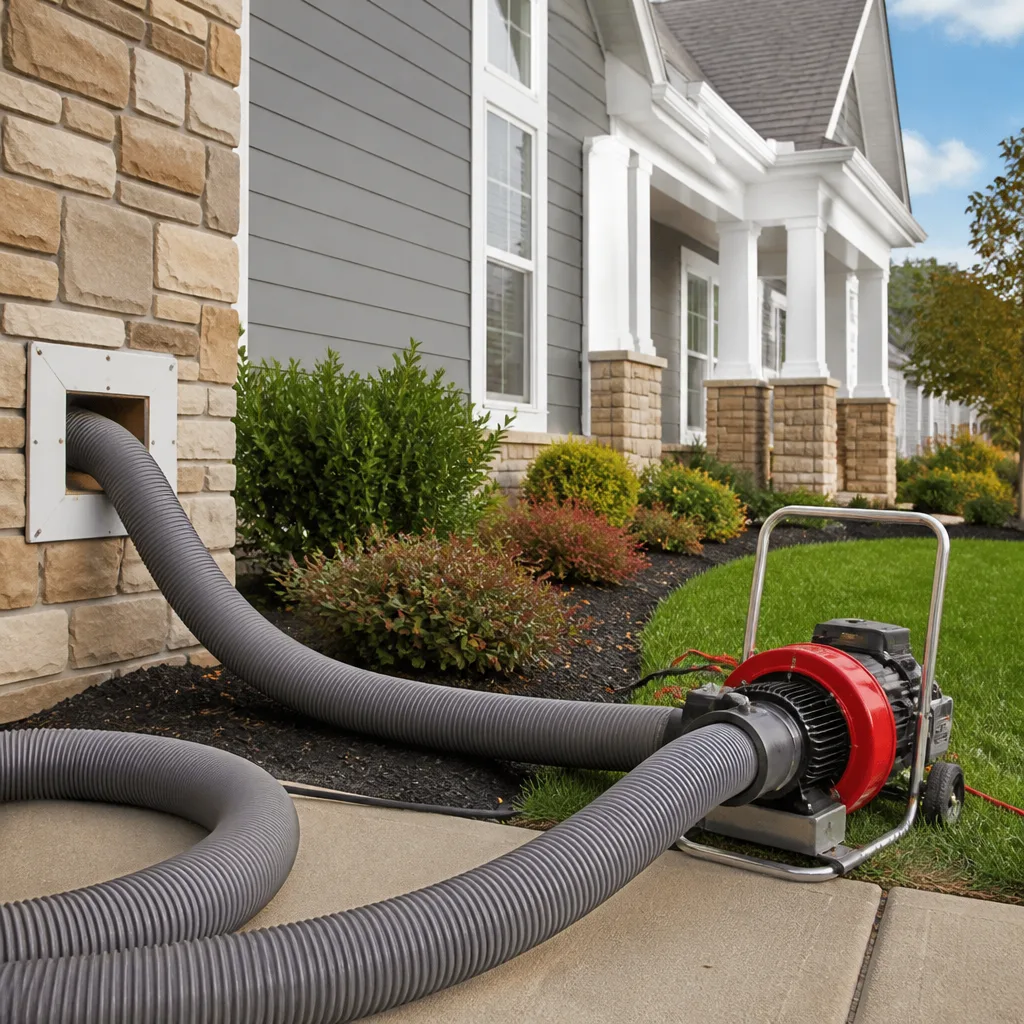 Whole-home duct cleaning
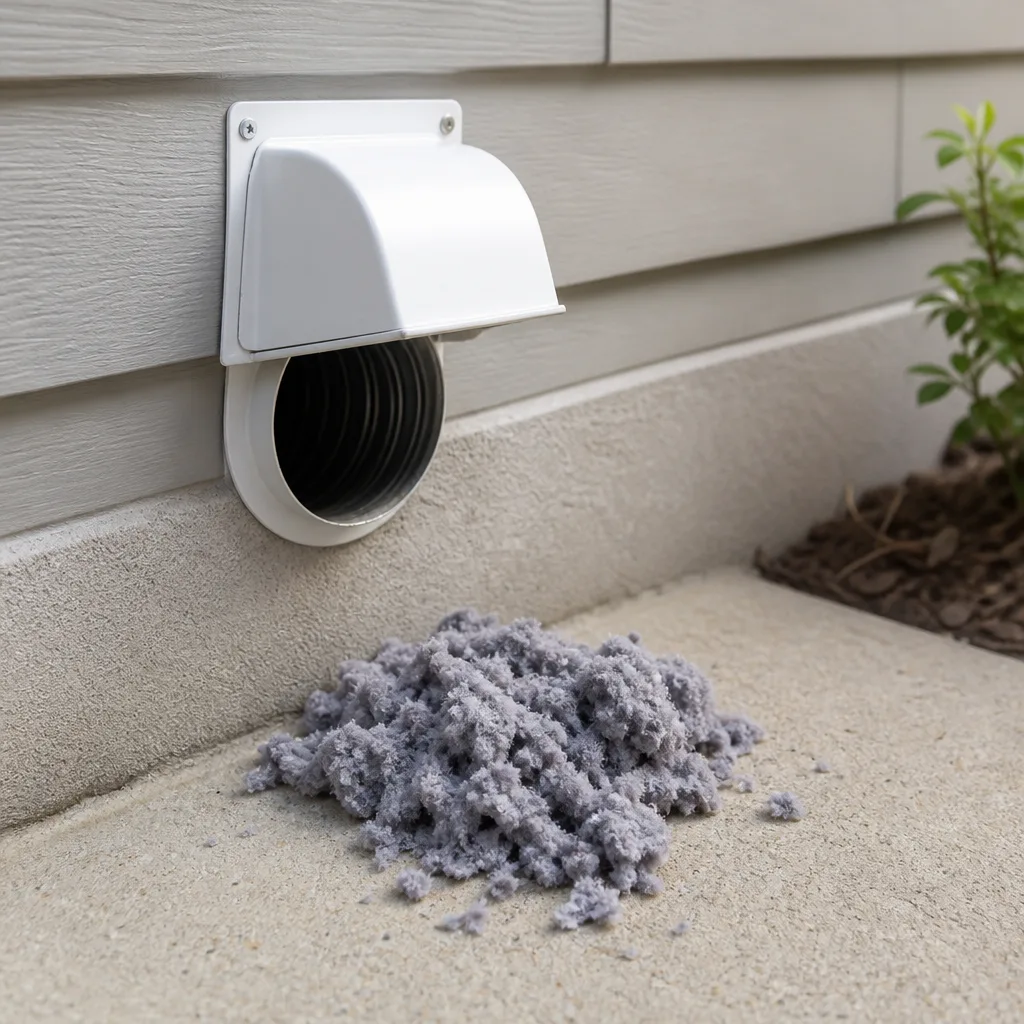 Dryer vent cleaning
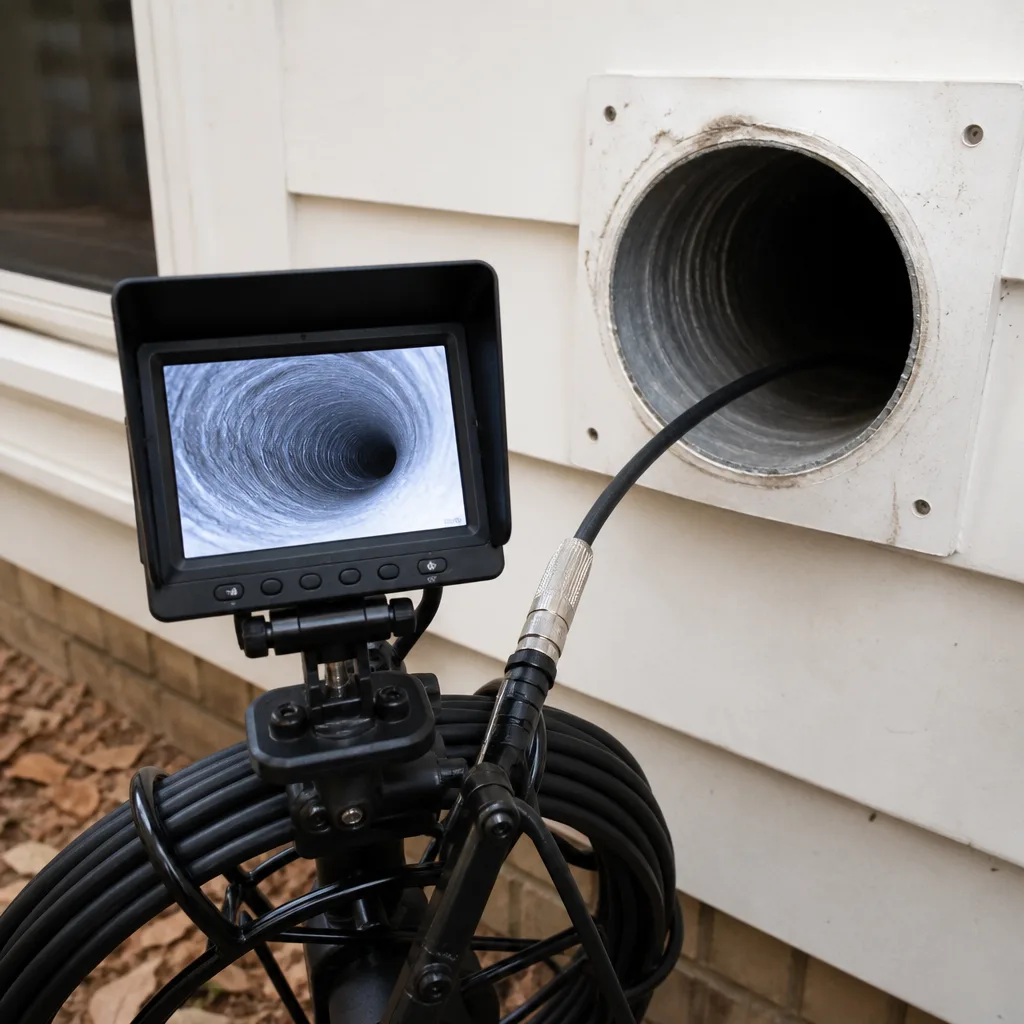 Camera inspection
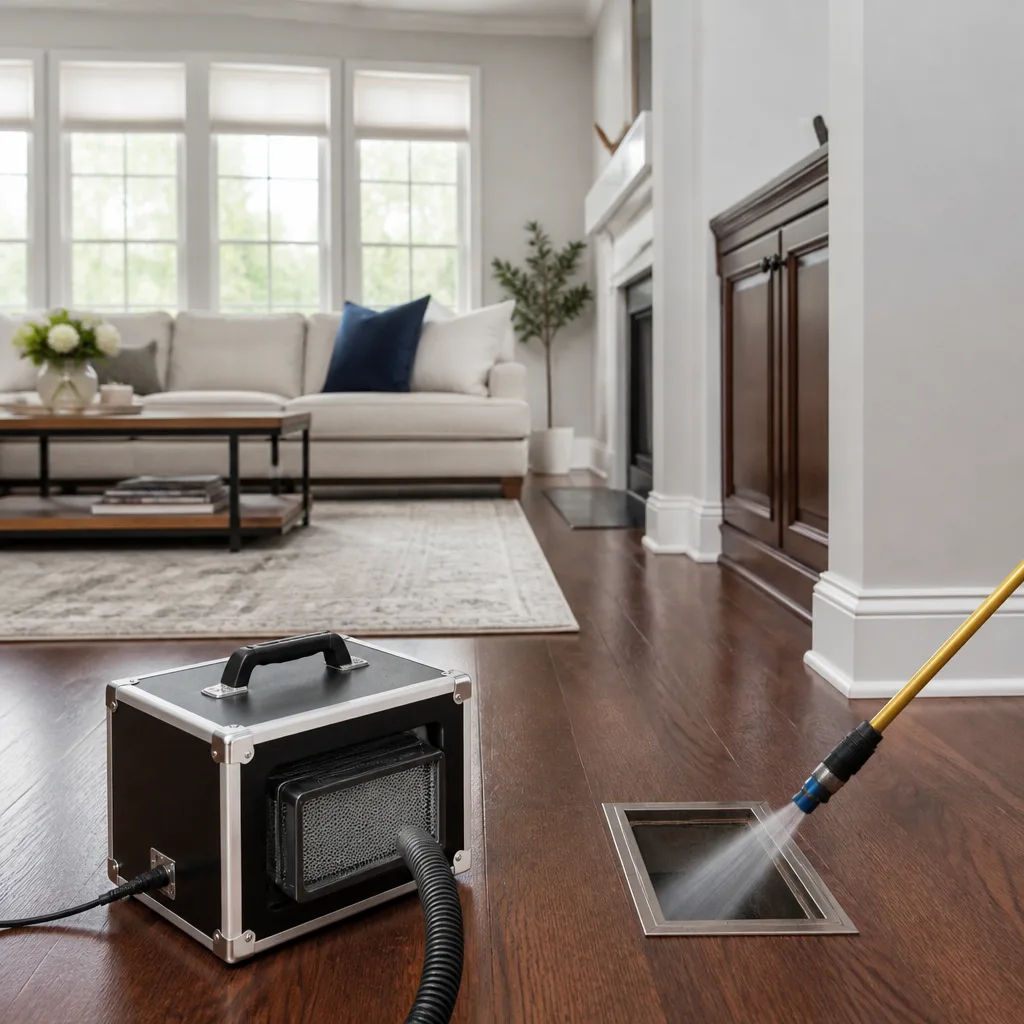 Sanitizing & deodorizing
Whole-system duct and dryer vent check with before-and-after photos - you see exactly what came out of your vents
That "$99 whole-house special" is a bait ad - the real number appears once they are in your hallway, or the "clean" is a shop-vac at the register. We photograph the inside of your ducts before and after instead.
The Complete Guide to Air Duct Cleaning in Orlando
The average Orlando home runs its AC system roughly 2,800 hours a year. Chicago homes log about 1,400. Minneapolis, maybe 900. That single number explains why air duct cleaning in Orlando is not the same job it is in most of the country. Your ducts are working harder, breathing humid air, and trapping more debris than a system two states north ever will. This guide covers what that means for your home, what our Air Duct Cleaning services actually involve, what it should cost, and how to know the work was done right. If you live in Orlando, everything below applies directly to the house you’re sitting in.
Quick Answer
Air duct cleaning in Orlando typically costs $450 – $800 for a standard single-family home and takes 3 – 5 hours. The job should include rotary brush agitation plus negative-air HEPA extraction, and you should receive before-and-after photos of your ducts and a written price before any work begins. Orlando homes often need cleaning every 2 – 4 years due to year-round AC runtime and humidity, which is more frequent than the national 3 – 5 year average.
Styles & brands we work with
Table of Contents
- Why Orlando Ducts Get Dirtier Faster
- How Central Florida Humidity Accelerates Mold in Flex Duct
- What a Professional Duct Cleaning Actually Includes
- The Equipment That Separates Real Cleaning from a Shop-Vac Job
- How Much Does Air Duct Cleaning Cost in Orlando?
- How Often Should You Clean Your Ducts in Orlando?
- What NADCA Standards Require – and What Cheap Operators Skip
- The Before-and-After Photo Checklist You Should Demand
Why Orlando Ducts Get Dirtier Faster
Most national duct cleaning guides were written for homes that close their windows in October and don’t open them again until May. Orlando doesn’t work that way. Your AC is running in February. It’s running at full load in July. It’s running during a thunderstorm in August when the outside humidity is 94%. That nonstop runtime means your ductwork is constantly moving air, which means it’s constantly collecting whatever is in that air.
Here’s what we consistently find in Orlando duct systems:
- Sandy soil particles. Central Florida’s soil is fine and sandy. It gets tracked into homes, pulled into return vents, and settles inside duct runs. Once it’s there, it stays there.
- Humidity-driven dust adhesion. Dust in a dry climate stays loose and gets blown along. In Orlando’s humidity, dust absorbs moisture, becomes slightly tacky, and sticks to duct walls instead of passing through. Over months, it builds up in layers.
- Pollen from a nearly year-round growing season. Oak, pine, and grass pollen cycles overlap in Central Florida in a way they don’t in most states. Your ducts are the final resting place for a lot of it.
- Construction debris from newer developments. Lake Nona, Horizon West, and the fast-growing areas around Waterford Lakes and Avalon Park mean many Orlando homes were built or renovated in the last 15 years. Drywall dust and construction debris from the build phase often remain in ducts long after move-in.
The national advice to clean your ducts every 3 – 5 years assumes a system that runs half the year. Orlando systems run most of the year. If you apply the national timeline to a Orlando home, you’re doubling the interval between cleanings at the exact moment your ducts are accumulating debris at twice the rate. That math doesn’t work. For a real sense of what fair pricing looks like for this service here, see our breakdown of Air Duct Cleaning in Orlando.
How Central Florida Humidity Accelerates Mold in Flex Duct
Flex duct is the industry term for the flexible, insulated tubing used in most Florida homes built since the 1980s. It has a plastic inner liner, a fiberglass insulation layer, and a foil outer jacket. When it’s clean and dry, it works fine. When it gets humid and dirty, it becomes a problem.
Here’s the mechanism. Orlando’s average relative humidity runs 74% year-round. That’s at the top of what mold needs to get started. Inside your ducts, the air is cooler than the air outside. When that cool air meets humid outside air in an unconditioned attic, condensation can form on or inside the duct. Now add a layer of fine dust and organic debris, which gives spores something to eat. You’ve just created the conditions mold needs. Even without visible mold, that damp-dust combination produces the musty odor many Orlando homeowners notice when the AC first kicks on.
Fiberglass-lined ducts are even more vulnerable. The fiberglass liner is porous. It absorbs moisture. It traps organic material. A 2019 NADCA position paper specifically identifies fiberglass-lined ducts as requiring more frequent inspection because the liner cannot be thoroughly cleaned every time, and trapped moisture accelerates degradation. Many pre-1995 Orlando homes, especially in established neighborhoods like College Park, Conway, and Pine Hills, have this type of ductwork.
This isn’t a scare tactic. It’s the reality of running conditioned air through humid attics for nearly 3,000 hours a year. If your home is more than 15 years old and you’ve never had the ducts inspected, you likely have some level of this condition. An HVAC professional can assess whether cleaning is enough or whether sections of duct need replacement. We also provide HVAC Cleaning in Orlando for systems that need attention beyond the duct runs themselves.
What a Professional Duct Cleaning Actually Includes
A legitimate duct cleaning is not a guy with a shop vac and a drill attachment waving a brush around your vents for 20 minutes, as we explain in DIY vs Professional Air Duct Cleaning: The Orlando Homeowner’s Decision Guide. It’s a systematic process that treats your entire HVAC system. Here’s what the job includes when done to industry standard:
- System inspection. The technician should inspect your air handler, return plenum, supply trunk lines, and vent runs before any cleaning starts. This identifies blockages, damaged duct sections, and any sign of moisture or mold that changes the scope.
- Containment setup. In homes where dust control matters (which is all of them), the technician should seal off vents and establish negative pressure in the duct system so loosened debris can’t escape into your living space.
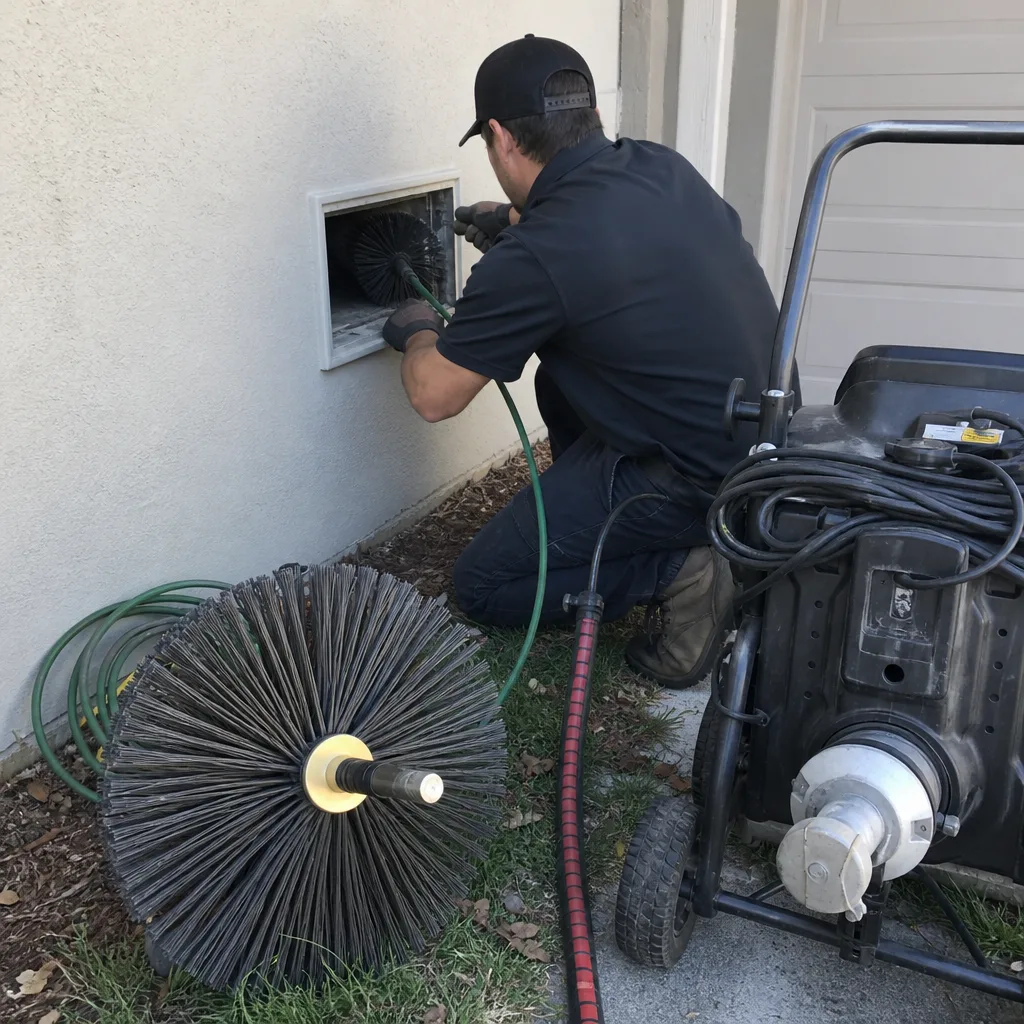
- Source removal. The technician uses a rotary brush system to dislodge debris stuck to duct walls and agitates it into the airstream. This is what separates source removal from surface dusting.
- Negative-air extraction. A HEPA-rated vacuum is connected to the duct system to pull all loosened debris out of the ductwork and into a contained unit. Nothing is blown back into your home.
- Component cleaning. Supply registers, return grilles, the blower motor, evaporator coil, and drain pan should all be cleaned as part of the job. A duct cleaning that skips the coil is a partial job.
- Post-cleaning verification. The technician should walk you through what was done, show you what came out, and provide photo documentation of the cleaned ducts.
In our experience, the single biggest predictor of whether a duct cleaning actually gets done is whether the company can show you what they removed. If the technician can’t or won’t show you before-and-after photos, you have no way to verify the work. That’s why the photo record is a non-negotiable part of any job we do in Orlando. If you’d like a second opinion on your dryer exhaust while you’re at it, our Dryer Vent Cleaning in Orlando service uses the same documentation standard.
The Equipment That Separates Real Cleaning from a Shop-Vac Job
Not all duct cleaning equipment is equal. The difference is measurable in what gets removed and what doesn’t. Here’s what professional-grade tools look like:
- Rotobrush rotary brush systems. This is a motorized brush head on a flexible shaft that the technician feeds through your duct runs. The brush spins at high speed, physically breaking loose the dust, debris, and film that has adhered to duct walls. A stationary vacuum alone cannot remove adhered debris. You need mechanical agitation to loosen it first. That’s the Rotobrush’s job.
- Nikro negative-air machines. A negative-air machine is a large HEPA-filtered vacuum connected to your duct system. It creates suction that puts the entire system under negative pressure while the brush is doing its work up-line. The loosened debris is pulled downstream and captured in the vacuum’s filtration system rather than escaping into your home. Think of it like a high-powered dust collection system in a woodshop, sized for your ductwork.
- Abatement Technologies containment units. In situations where the system may contain mold, asbestos-lined ducts, or heavy contamination, containment units create a controlled air pressure differential that keeps any disturbed particles from migrating into living spaces. If a company isn’t even aware that containment equipment exists, they’re not prepared for the full scope of what Orlando attics can produce.
Here’s how to spot the shortcut in the wild. A technician shows up with a portable vacuum and a small brush attachment. There’s no negative-air setup, no HEPA filtration, no containment. The dust gets stirred up inside your ducts, but only the loose top layer is removed. The adhered layer stays. It looks clean for a few months, then the dust you paid to remove starts circulating again. You paid for a quick turnover, not a cleaning. If the equipment can’t show you HEPA filtration and you never see any containment strategy, you’re not getting source removal.
How Much Does Air Duct Cleaning Cost in Orlando?
Here’s the honest answer. For a standard single-family home in Orlando, air duct cleaning runs $450 – $800. That’s the full job: system inspection, brush agitation, negative-air extraction, coil and blower cleaning, and photo documentation. Homes under 2,000 square feet with a single system and manageable duct runs are on the lower end. Homes over 3,000 square feet, two-story homes with long duct runs, and systems that haven’t been cleaned in a decade or more land on the higher end.
Here’s how a typical quote breaks down:
- Base system cleaning (single HVAC unit): $350 – $550
- Evaporator coil and blower motor cleaning: $100 – $175
- Supply and return vent cleaning (per system, all vents included): included in base price with reputable companies
- Mold or microbial treatment (if needed): $150 – $300
- Duct replacement sections (if damaged beyond cleaning): quoted separately after inspection
You’ll see ads quoting $99 whole-house duct cleanings. You will never see a legitimate company honor that price. The economics of real equipment, trained technicians, and the time the job actually takes make $99 impossible. What those ads do is get the van in your driveway. Then the price changes. Trust the math: a $99 duct cleaning means the tech is covering rent on the upsell, not cleaning your ducts.
Every booking with us comes with a written price before any work starts. That’s not a “we’ll see once we’re in there” figure. It’s the number, and it doesn’t change at the door. If you’re ready to get a real number for your home in Orlando, call (850) 750-6095 and we’ll walk you through the scope and the price on the phone.
How Often Should You Clean Your Ducts in Orlando?
The national recommendation of every 3 – 5 years is a starting point. For Orlando, we adjust it based on four factors. Here’s a more useful framework, with Dryer Vent Cleaning Maintenance Checklist for Orlando Homeowners as a companion resource:
- Every 2 – 3 years: Homes with pets that shed, homes with allergy or asthma sufferers, homes within a mile of active construction, and homes where the AC runs essentially year-round (nearly all of Orlando).
- Every 3 – 4 years: Homes without pets, with sealed ducts in good condition, and with occupants who run the AC a normal Florida amount. This is the floor for most Orlando homes.
- Every 4 – 5 years: Snowbird homes that sit empty and powered down for months at a time, or homes where the AC is heavily seasonal. Even these benefit from cleaning before peak summer.
Home age matters too. Homes built before 1995 in Orlando often have fiberglass-lined ducts that trap more debris and are harder to fully clean. If you’re in an older home in College Park or Delaney Park, lean toward the 2 – 3 year interval. Newer construction with sealed, well-insulated flex duct in Horizon West or Lake Nona can stretch toward 3 – 4 years, but only if filters have been changed religiously.
One more variable: your filters. A homeowner who runs a basic 1-inch fiberglass filter and changes it twice a year is giving their ducts a much harder life than one who runs a MERV 8 or better pleated filter and changes it every 60 – 90 days. The filter is your first line of defense. If it’s not doing its job, the ducts become the filter. We can help you evaluate your filtration setup as part of any cleaning.
What NADCA Standards Require – and What Cheap Operators Skip
NADCA is the National Air Duct Cleaners Association, the industry body that sets the standard for what a duct cleaning must include. The relevant standard is ACR, the NADCA Standard for Assessment, Cleaning, and Restoration of HVAC Systems. If a contractor claims to clean to “industry standard,” this is the standard they’re claiming.
Here’s what NADCA actually requires:
- Clean the entire system, not just the supply ducts. The standard covers supply ducts, return ducts, plenums, coils, blower, drain pan, and all registers. A cleaning that only does the supply side does not meet the standard.
- Use source-removal methods. NADCA requires mechanical agitation plus extraction. Brushing alone, vacuuming alone, or blowing compressed air through the system without containment does not meet the standard.
- Protect the living space. The standard requires negative pressure during cleaning so that debris is pulled into the vacuum, not pushed into your home. Any technician who says they don’t need negative pressure is not following the standard.
- Inspect and document the condition of components. The standard requires an assessment of the system’s condition before and after cleaning, including documentation of what was found and what was done.
Here’s what cheap operators skip: the return side of the system. The coil. The blower. Documenting the work. Explain why? These are exactly the components that get dirtiest and exactly the parts that are hardest for the homeowner to inspect. If a company quotes you $250 for a “full system cleaning,” ask them if the coil and blower are included. Ask if they’ll show you photos. Ask if they’re following NADCA ACR. Silence is your answer.
The Before-and-After Photo Checklist You Should Demand
You can’t see inside your own ducts. That’s a fact. Which means without photo documentation, you’re taking the technician’s word for it. We don’t think you should have to. Before any technician cleans your ducts in Orlando, confirm that you’ll receive a photo record. Here’s the checklist:
- Before photos of the supply trunk line – captured from the air handler looking downstream. This shows what the main line looked like before cleaning.
- Before photos of one or two representative branch ducts – not just the easiest-to-reach vent, but a mid-run that actually accumulates debris.
- Before photo of the return plenum and blower compartment – this is where Orlando humidity does its worst work.
- After photos of every one of those same locations – same angle, same lighting. Not a different duct that happens to look clean.
- A photo of the debris removed – the collection canister or vacuum contents, so you know what actually came out of your system.
This documentation is standard on every Cardinal Air Duct Orlando job. It’s part of The Relay Visibility Guarantee, the standard that governs every booking through the Relay Home Co. family. Before work starts, you get a written price. During the job, a live trackable arrival time so you know exactly when the technician shows. After the job, before-and-after photos and a digital invoice you can pay from your phone. No other Orlando duct cleaning company we know of offers this level of documentation as standard on every single booking.
Common Mistakes to Avoid
- Falling for the $99 whole-house special. The price changes once the van is parked. Real Orlando duct cleaning takes 3 – 5 hours and costs $450 – $800. Anyone offering to do it for less than $300 is planning to upsell you hard once they’re inside.
- Not checking whether the coil and blower are included. A duct cleaning that skips the evaporator coil is a partial cleaning. In Orlando, the coil is where moisture meets dust. Skipping it means the system re-contaminates within months.
- Accepting a one-hour appointment. A full-system cleaning on a single-family Orlando home cannot be done properly in an hour. That’s a vent-vacuuming, not a source removal.
- Not asking for documentation. Without before-and-after photos, you’re trusting a stranger’s word about what happened inside your walls. That’s not a reasonable standard.
- Waiting until the system is visibly struggling. By the time your airflow is noticeably weak or your energy bills have spiked, the buildup has been affecting system performance and indoor air quality for months. Clean on a schedule, not on symptoms.
- Treating duct cleaning as a one-time fix. In Orlando’s climate, it’s a recurring maintenance item, not a once-a-decade event. Budget for it the way you budget for AC service.
See the difference
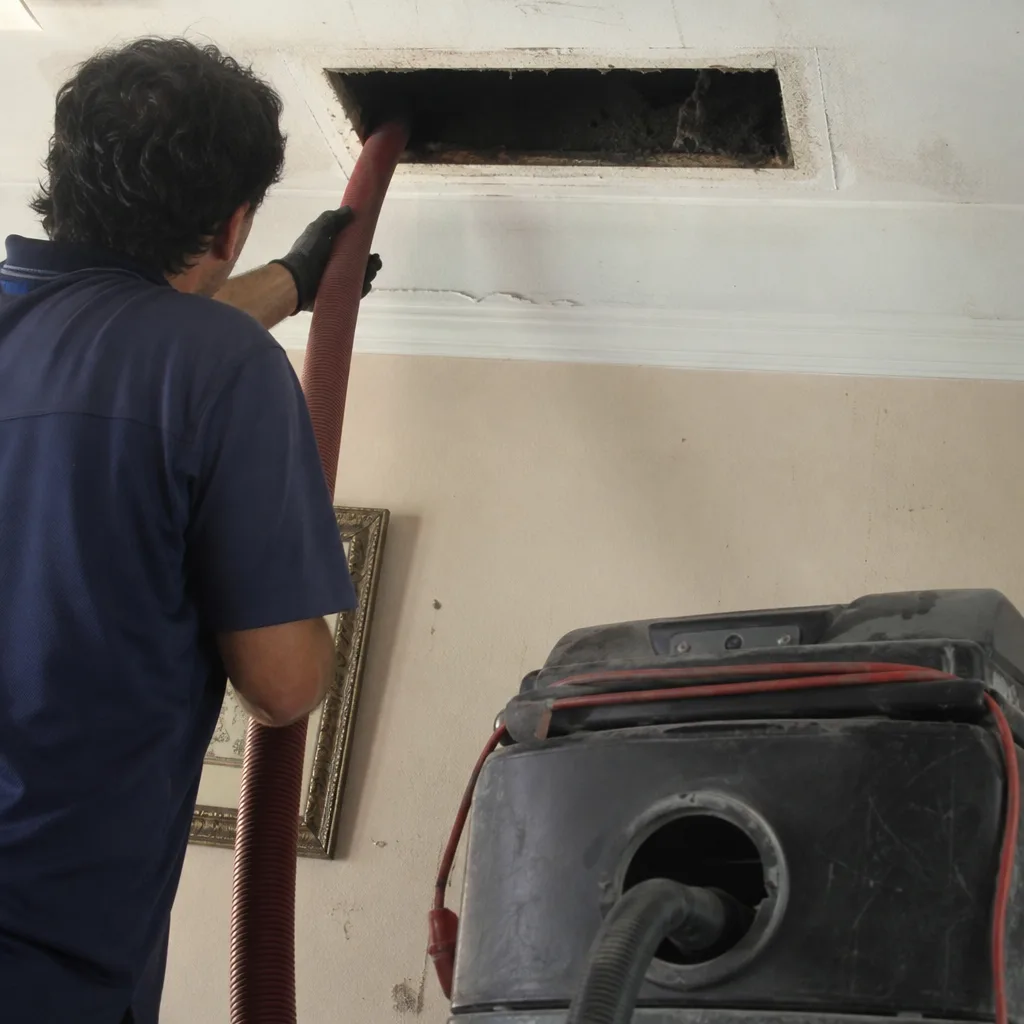 Before
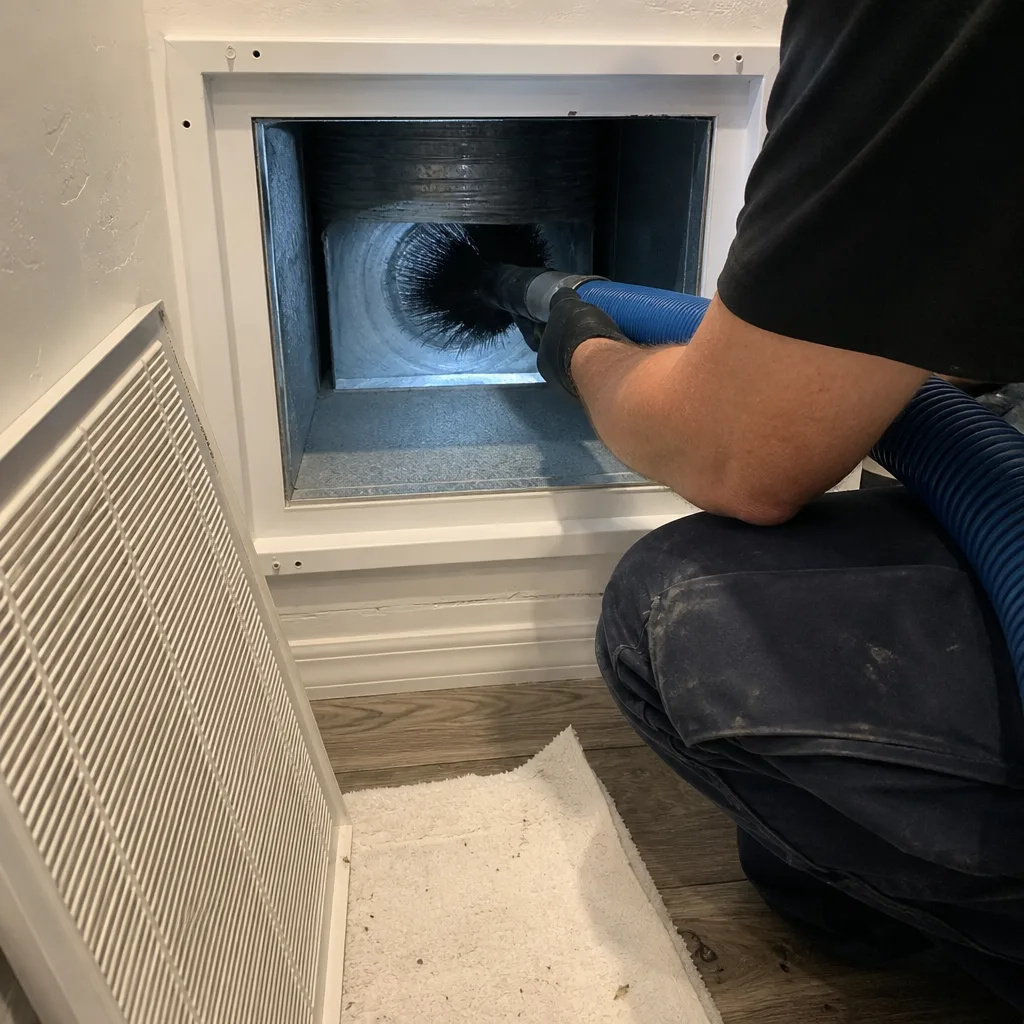 After
After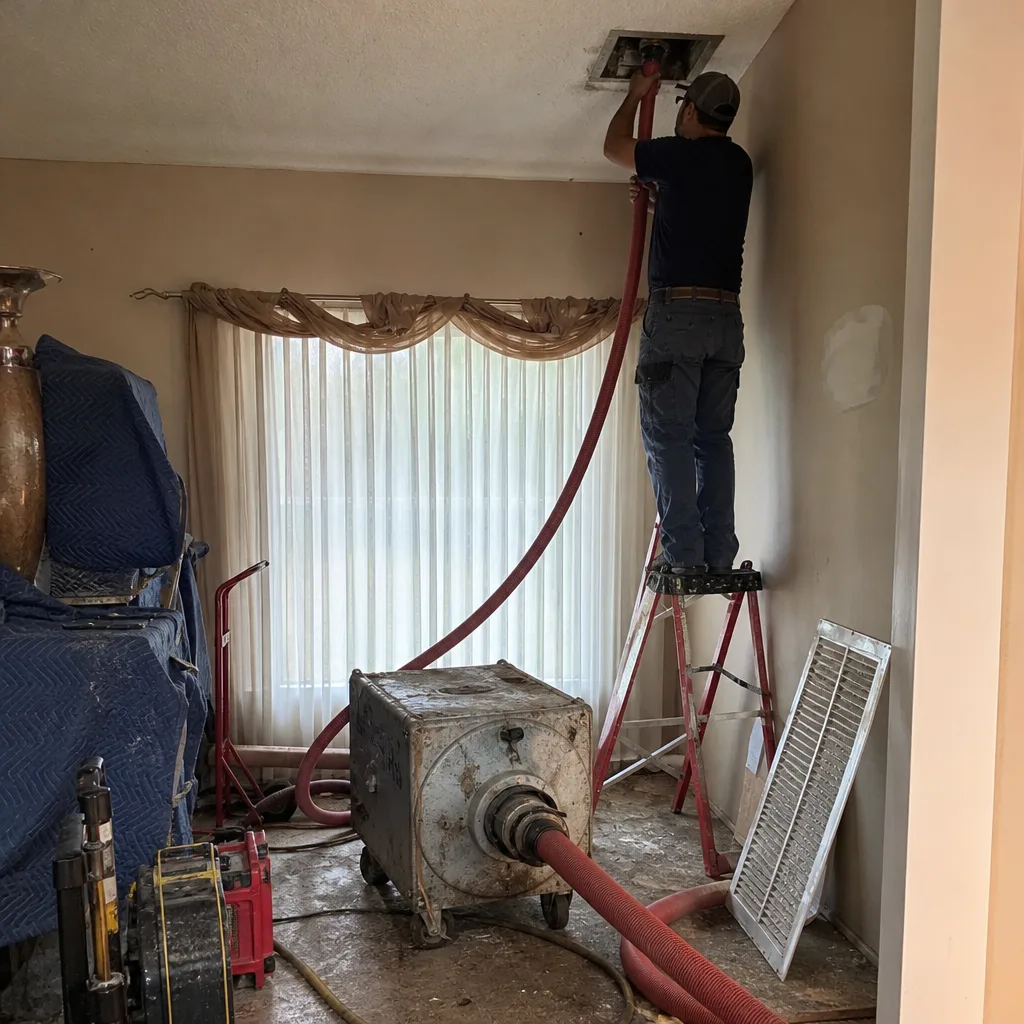 Before
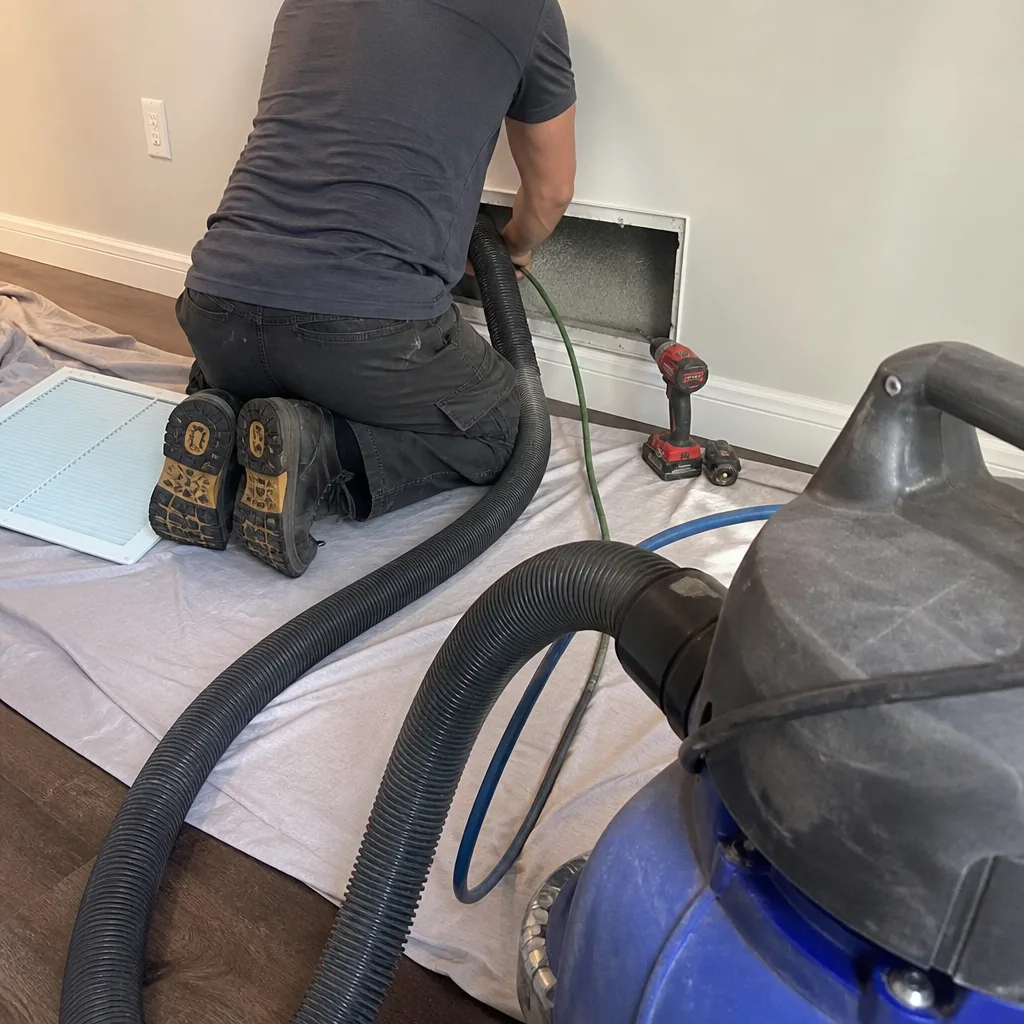 After
After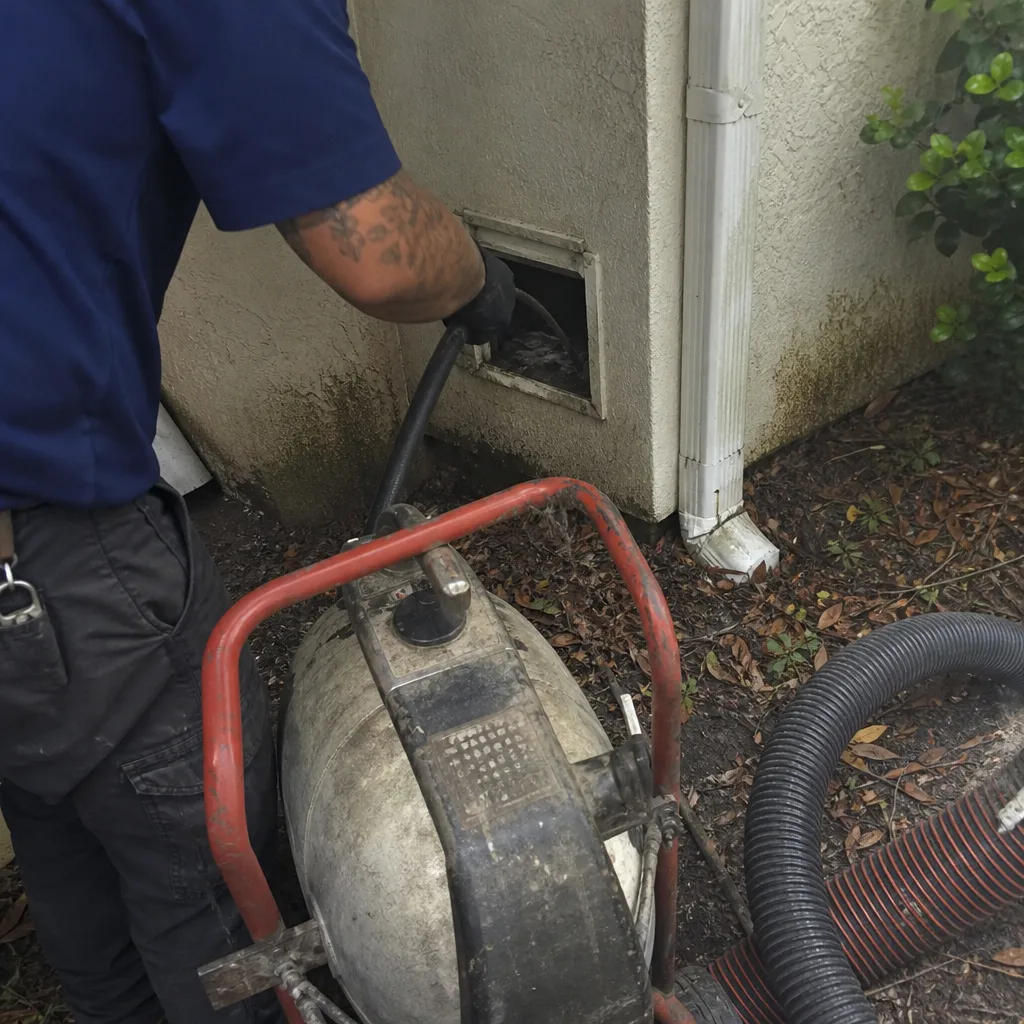 Before
 After
AfterWhen to Call a Professional
You should call a professional if you’ve lived in your Orlando home for more than three years without a duct cleaning, if you can see dust buildup around your supply registers, if you notice a musty smell when the AC kicks on, if anyone in the home has unexplained allergy or respiratory symptoms that worsen indoors, or if you’ve recently completed renovation work. You should also call if you simply don’t know when the ducts were last cleaned and you’d rather not guess. We’re happy to inspect first and tell you honestly whether cleaning is needed now or can wait. Cardinal Air Duct Orlando offers free estimates throughout the Orlando area. Call (850) 750-6095 and a live person picks up, day or night.
Frequently Asked Questions
A legitimate whole-system air duct cleaning in Orlando runs $450 – $800 for a standard single-family home, with the average landing around $600. This includes the full system: supply and return ducts, plenums, registers, coil, blower, and documentation. Homes outside Central Florida may see slightly different ranges, but this reflects what Orlando market rates genuinely are. For an exact quote on your home, call (850) 750-6095 and we’ll give you a written price before any work starts.
You know because you receive before-and-after photos of your duct system, taken from the same angles showing the same locations. A professional company will also show you the debris that was removed from your system. If a company cannot or will not provide photo documentation, treat the job as unverified. Every Cardinal Air Duct Orlando booking includes this photo record automatically, no special request needed.
Cheap quotes are for partial work. The company is planning to skip the return side, skip the coil, use a portable vacuum instead of a HEPA negative-air machine, or get in the door at a teaser price and add charges once the technician is inside. Labor, professional equipment, insurance, and time all cost money in Orlando. A $450 – $800 range is what real work costs. If a quote is half that, half the work is missing.
In Orlando, every 2 – 3 years for homes with pets or allergy sufferers, and every 3 – 4 years for most other homes running their AC year-round. That’s more frequent than the national 3 – 5 year guidance, and it reflects the fact that Orlando AC systems run nearly double the annual hours of systems in northern states.
Yes, and it’s one of the most common issues we address in Orlando homes. When consistently humid air meets the cooler temperatures inside ductwork, condensation forms inside flex duct and on coils. Add accumulated dust as a food source, and the conditions for mold growth are present. This is why regular duct maintenance and filtration quality are more important in Central Florida than in drier climates. If you suspect mold in your ducts, a professional inspection can confirm it and recommend appropriate cleaning or replacement.
When duct buildup restricts airflow, your system works harder to move the same amount of air, which raises energy consumption. A heavily fouled evaporator coil can reduce system efficiency by 10 – 15%. While duct cleaning is not an energy-efficiency silver bullet, a clean system runs closer to its rated efficiency. If airflow has noticeably dropped or bills have crept up, cleaning is a reasonable part of restoring performance.
The Bottom Line
Orlando homes run their AC more hours per year than almost anywhere else in the country, and that makes duct cleaning a more frequent and more important maintenance item here than the national averages suggest. Expect to pay $450 – $800 for a real whole-system cleaning. Insist on NADCA-standard source removal, before-and-after photo documentation, and a written price that doesn’t change at the door. If you’re in the Orlando area and want an honest assessment of your ducts from a company that documents everything, call us at (850) 750-6095 for a free estimate. We’re Omar Haddad’s team at Cardinal Air Duct Orlando home, and we’ve been serving the city’s duct systems since 2005.
Written by Omar Haddad, Owner at Cardinal Air Duct Orlando, serving Orlando since 2005. Explore more guides & resources on our blog.